Netherlands Approves 30,000 New Homes in Five Cities
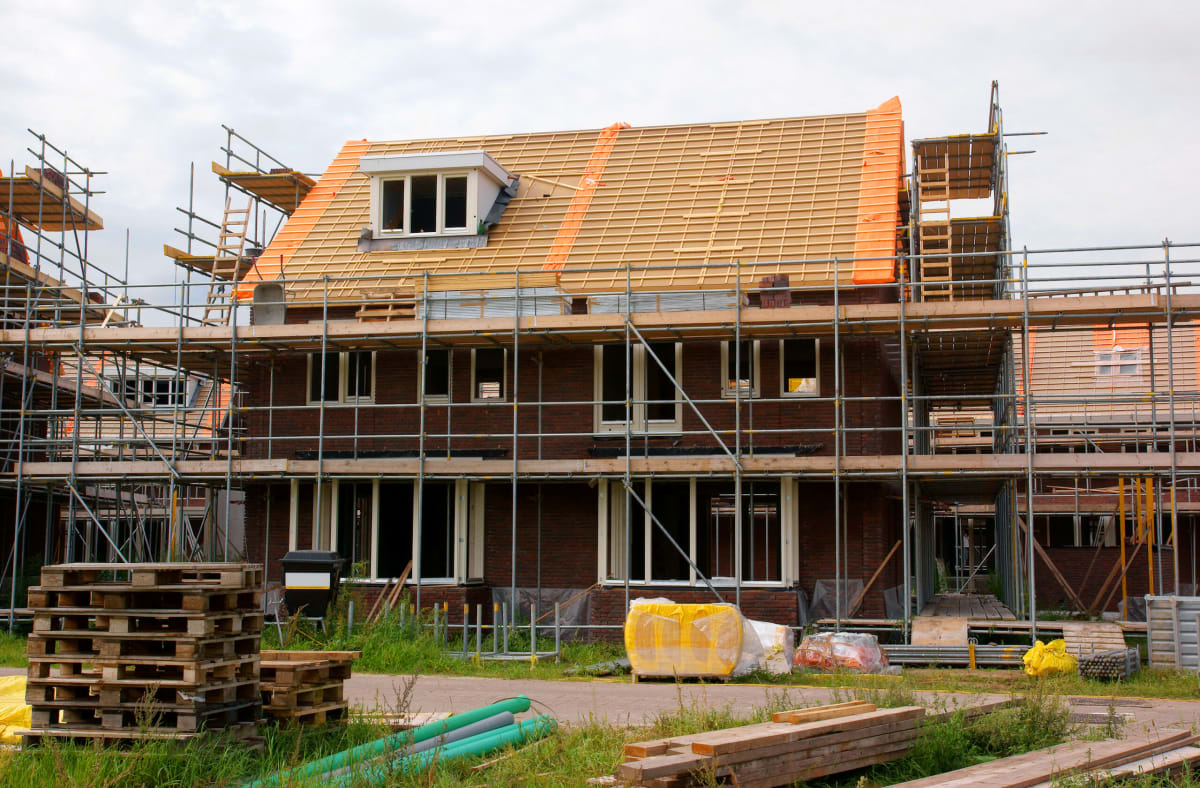
The Netherlands just greenlit 30,000 affordable homes across five cities, bringing the country closer to solving its housing crisis. These sites were chosen because they can be built quickly without expensive new infrastructure.
Thirty thousand new homes are coming to five Dutch cities by 2035, offering hope to a nation struggling with a severe housing shortage.
Housing Minister Eleanor Boekholt-O'Sullivan announced the locations in Haarlem, Deventer, Weert, Leeuwarden, and Maastricht as part of the government's ambitious plan to build 400,000 houses over the next decade. Most locations will see between 5,000 and 6,000 homes, while Maastricht gets the largest development with 8,000 new residences.
The sites were strategically chosen because they already have access to essential services like water and electricity. This smart planning means construction can begin faster and cheaper than previous projects.
All locations except Haarlem sit close to major railway stations, making commuting easy for future residents. The developments will create entire new neighborhoods, not just scattered housing units.
These five areas join a growing network of 26 National Large-Scale Housing Locations across the Netherlands. The program launched in 2023 with a €5 billion fund specifically designed to speed up urban development and ease the housing crisis.
The announcement comes after a setback last month when four other sites had to be delayed due to missing funds for road and railway connections. Learning from that experience, the minister made sure these new locations wouldn't face the same problem.
The Ripple Effect
Beyond just providing roofs over heads, these developments will revitalize entire communities. New neighborhoods mean new schools, shops, and public spaces that benefit existing residents too.
The focus on railway connectivity shows how housing policy can support environmental goals at the same time. Residents will have easy access to public transportation, reducing car dependence and carbon emissions.
By choosing sites that don't need expensive new infrastructure, the government is making every euro count. That efficiency means more homes can be built with the same budget, helping more families find affordable places to live.
Thirty thousand homes represent thirty thousand opportunities for people to build stable lives, raise families, and put down roots in communities designed for the future.
Based on reporting by Dutch News
This story was written by BrightWire based on verified news reports.
Spread the positivity!
Share this good news with someone who needs it