Netherlands Backs $2.1B Green Steel Transformation
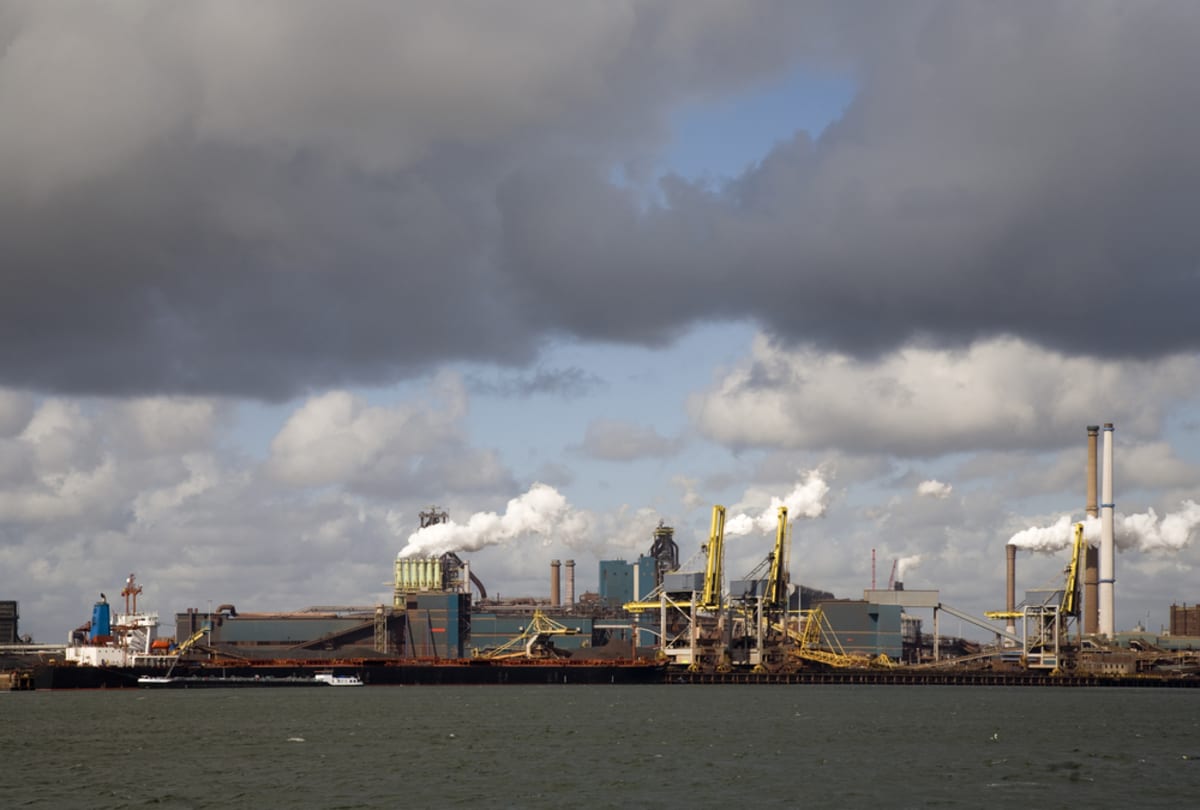
The Dutch Parliament just approved a massive investment to transform one of Europe's most polluting factories into a clean energy pioneer. Tata Steel's 11,000-worker plant will switch from coal to hydrogen power, slashing 10% of the Netherlands' total carbon emissions.
One of Europe's dirtiest steel plants is getting a green makeover, and it could change the future of clean manufacturing.
Dutch lawmakers approved a €2 billion investment to help Tata Steel in IJmuiden transform its massive factory from a pollution problem into a climate solution. The steelmaker will add €4 billion of its own money to make the switch happen.
The change centers on replacing old coal-fired blast furnaces with hydrogen-powered technology. It's a big deal because the IJmuiden plant currently produces 10% of the entire country's carbon emissions.
For years, the factory has been fined repeatedly for illegal emissions. Local residents have worried about their health, with multiple government reports documenting the impact of pollution on nearby communities. The plant employs 11,000 people, making it a vital economic anchor for the region.
Parliament demanded stricter environmental conditions than the original deal offered last fall. Climate Minister Stientje van Veldhoven acknowledged the initial agreement was "too soft" but called the funding approval an important step forward.
The company signaled its commitment by announcing plans to potentially close two highly polluting coke plants instead of just one. CEO Hans van den Berg shared the news this week, showing Tata Steel is serious about cleaning up its operations.
The Ripple Effect
This investment does more than fix one factory. It shows that heavy industry can transform without abandoning workers or communities.
The hydrogen switch at IJmuiden could become a model for steel plants across Europe struggling to meet climate goals. If successful, it proves that jobs and environmental progress don't have to be enemies.
For the 11,000 workers and their families, the deal means their livelihoods are secure while their workplace becomes healthier. For neighbors who've lived with pollution for decades, it promises cleaner air and fewer health worries.
The project also sends a signal to other polluting industries: governments will invest in your future if you're willing to change. That partnership approach could accelerate the green transition across manufacturing sectors that have seemed impossible to clean up.
Some economists questioned whether the subsidy makes financial sense, and left-wing parties voted against it. But the majority saw an opportunity to prove that economic strength and environmental responsibility can work together.
One factory's transformation could light the path for an entire industry to follow.
Based on reporting by Dutch News
This story was written by BrightWire based on verified news reports.
Spread the positivity!
Share this good news with someone who needs it