Netherlands Begins Building Wind Farm for 1 Million Homes
The first foundation for the Netherlands' massive OranjeWind offshore wind farm is now standing in the North Sea. By 2028, 53 turbines will power one million Dutch households with clean energy.
A towering steel cylinder just rose from the Dutch North Sea, marking the start of construction on one of Europe's largest offshore wind farms.
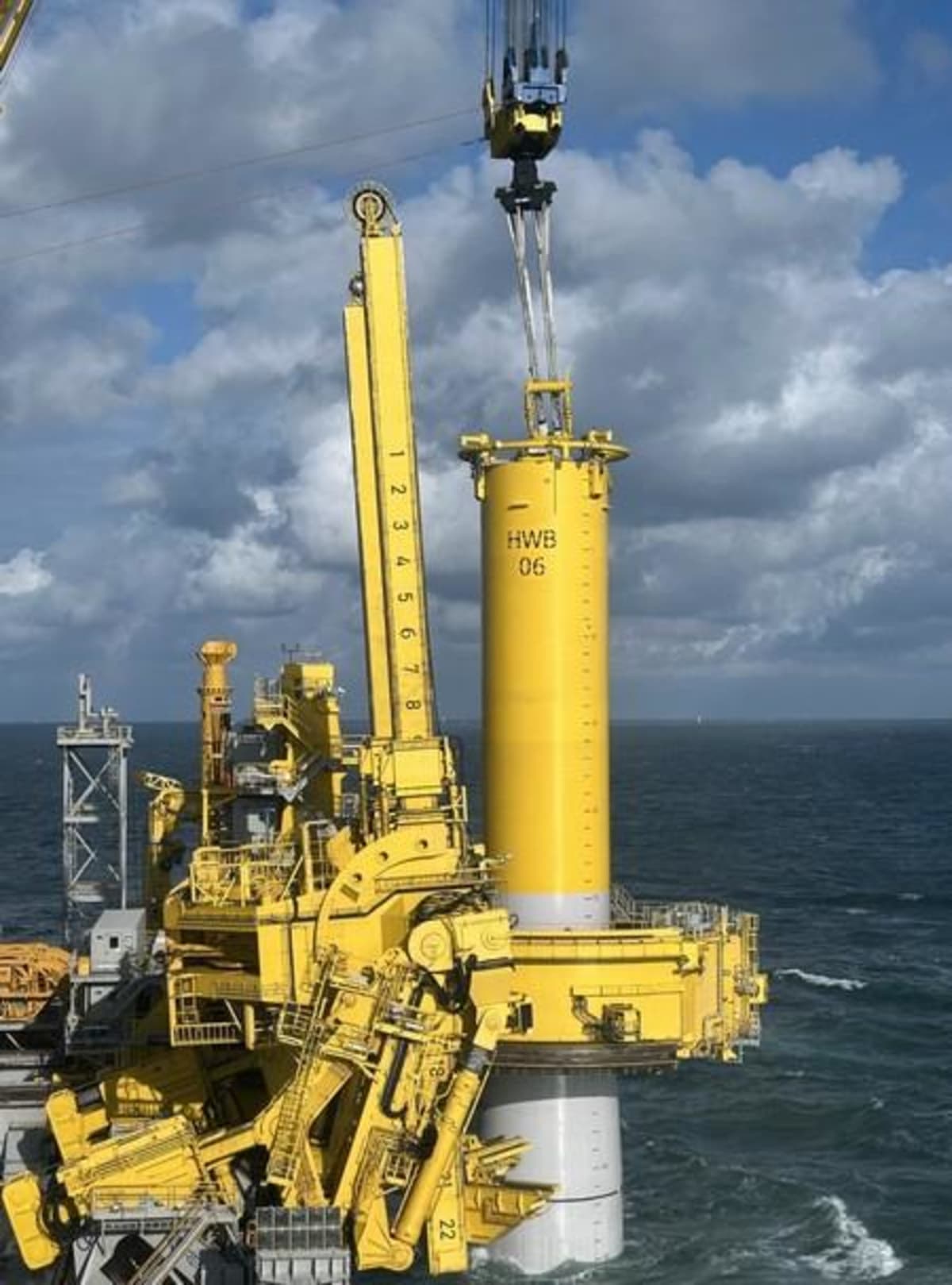
The OranjeWind project successfully installed its first monopile foundation 53 kilometers off the coast of IJmuiden. This 90-meter-long steel pillar is the first of 53 that will support massive wind turbines capable of powering one million homes.
The foundation weighed so much it required a specialized vessel called Les Alizés to lift it with a 5,000-tonne crane. The ship used dynamic positioning technology to place the monopile exactly where it needed to go before driving it deep into the seabed.
The 795-megawatt wind farm is a joint venture between energy companies RWE and TotalEnergies. After years of planning, seeing the first foundation installed brings the vision into reality.
What makes this project special goes beyond its size. The design uses transition piece-less monopiles, meaning turbines bolt directly to the top without extra steel components. This innovation significantly reduces the amount of steel needed for construction.
The Ripple Effect
OranjeWind represents more than just clean electricity for Dutch homes. TotalEnergies plans to use some of the wind farm's power to produce green hydrogen for its refineries across Northern Europe, helping decarbonize industrial operations that traditionally relied on fossil fuels.
The construction process itself prioritizes environmental protection. Workers deployed a bubble curtain around the installation site, pumping compressed air through hoses to create a wall of bubbles. This barrier absorbs and reflects the sound waves from pile driving, protecting marine life from harmful noise.
The vessel installing the foundations earned Ultra-Low Emissions status for going beyond standard pollution requirements. Les Alizés uses advanced air emission control technology that dramatically cuts nitrogen oxide and fine particle pollution.
Installation of all 53 monopiles should finish by early 2027. The turbines themselves will go up throughout 2027, with the complete wind farm generating power by early 2028.
The North Sea continues proving itself as a powerhouse location for renewable energy, and this latest milestone shows that large-scale clean energy infrastructure is moving from planning to reality.
More Images



Based on reporting by Google: wind energy success
This story was written by BrightWire based on verified news reports.
Spread the positivity!
Share this good news with someone who needs it