Netherlands Collects 5,800 Illegal Wildlife Items in a Year
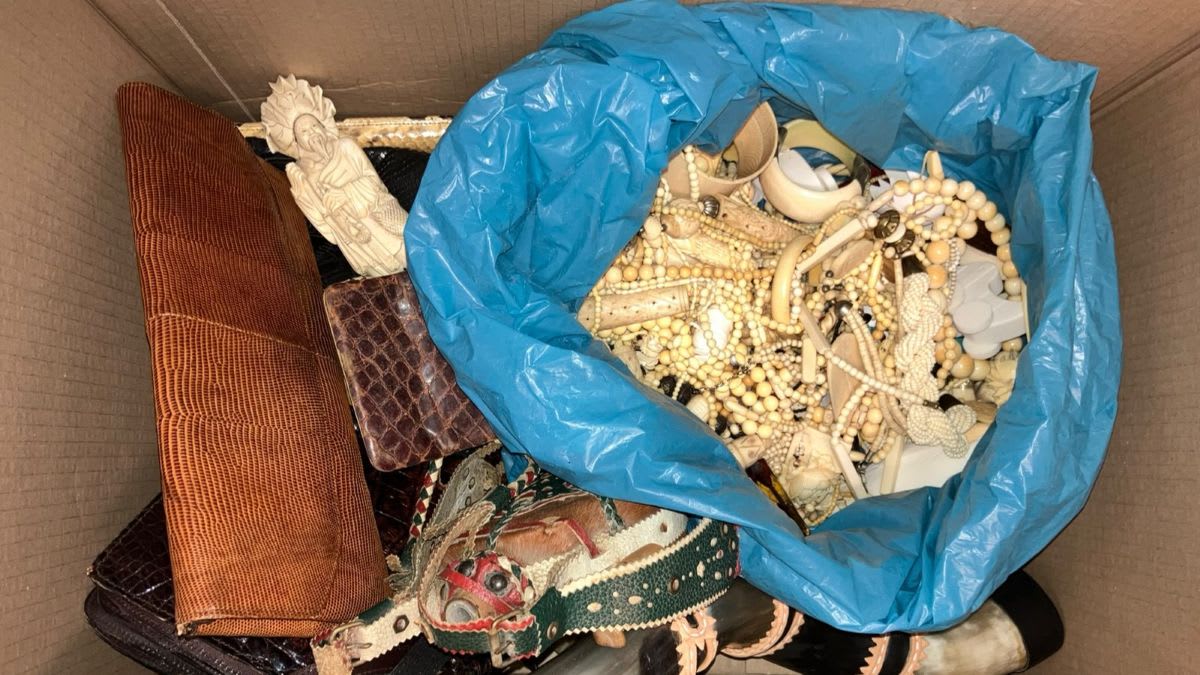
People in the Netherlands anonymously surrendered nearly 6,000 illegal wildlife products last year, a fivefold jump that shows growing awareness about protecting endangered species. The haul included ivory jewelry, crocodile bags, and even a rhino skull with a bullet wound.
Something remarkable is happening in the Netherlands: people are choosing to part with illegal wildlife treasures they could have quietly kept hidden forever.
The Netherlands Enterprise Agency received 5,800 prohibited animal products in just one year. That's more than five times what they collected the year before, marking an unprecedented wave of voluntary surrenders.
The items tell haunting stories of wildlife lost to poaching and illegal trade. Moving boxes arrived filled with a thousand pieces of ivory jewelry. Someone turned in a rhinoceros skull bearing the mark of a gunshot wound. Others surrendered crocodile leather handbags, musical instruments made from protected species, and even a preserved elephant leg.
Taxidermy specimens also poured in, including long-eared owls, peregrine falcons, and turtles. These animals, now protected under international law, had been kept as decorations or curiosities for years or even generations.
The agency based in The Hague has made surrendering surprisingly easy. People can drop items at a collection bin or even mail them in, no questions asked. The anonymity removes the fear of prosecution and makes doing the right thing simpler.
European CITES laws strictly regulate the sale and trade of elephant ivory and other endangered species products. Permits are required to legally possess or trade these items, but many families inherit objects without realizing they're now illegal or understanding the extinction crisis behind them.
The Ripple Effect
Most surrendered items get destroyed to permanently remove them from potential illegal markets. This matters because every piece of ivory or exotic leather that gets destroyed is one less item fueling demand for poaching.
A small portion of the collection serves education and research. These items help scientists study wildlife and teach new generations why protecting living animals matters more than keeping their body parts as souvenirs.
The fivefold increase suggests a cultural shift is taking root. More people are recognizing that the ivory bracelet in their jewelry box or the crocodile purse in their closet represents a conservation crisis, not a keepsake. They're choosing to be part of the solution.
Each anonymous surrender represents someone wrestling with history and choosing hope. They're acknowledging that past harm happened while actively preventing future damage. That's 5,800 individual decisions to protect species teetering on the brink of extinction.
This wave of conscience could inspire similar programs worldwide, multiplying the impact far beyond Dutch borders.
Based on reporting by Dutch News
This story was written by BrightWire based on verified news reports.
Spread the positivity!
Share this good news with someone who needs it