Netherlands Ditches Tulips for Tech in Image Reinvention
The Netherlands is shedding its postcard reputation of windmills and cheese to showcase what it's really becoming: a global hub for solving the world's toughest challenges through technology and innovation. From molten salt reactors to self-healing lungs, Dutch researchers are proving their country's new identity is built on breakthroughs, not brochures.
Forget the wooden shoes. The Netherlands wants the world to know it's building the future.
The small European nation is launching a deliberate campaign to replace its folklore image with something far more substantial: a reputation as a breeding ground for technologies that solve real global problems. Think advanced chip machines, revolutionary water management systems, cutting-edge healthcare innovations, and sustainable energy solutions instead of tulip fields and cheese wheels.
This isn't just marketing spin. The evidence is piling up weekly.
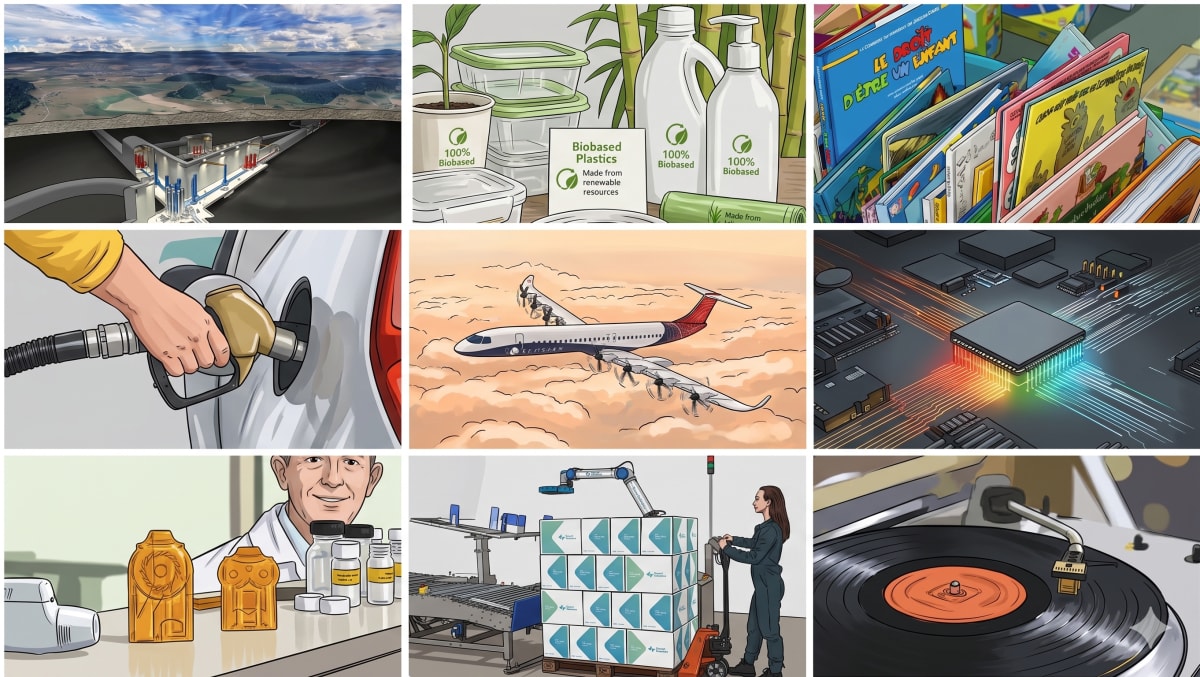
Dutch researchers just achieved a breakthrough in photonics, generating UV light 100 times more powerfully on photonic chips than ever before. The advance opens doors for better medical sensors, diagnostic tools, and data technology that could reshape how we detect diseases and process information.
In another lab, scientists discovered that damaged lungs can repair themselves far better than anyone expected. The finding in regenerative medicine could lead to entirely new treatments for respiratory diseases, giving hope to millions who struggle with lung damage from pollution, smoking, or illness.
The country is also taking bold steps in energy. Plans are underway for the first commercial molten salt reactor, a form of nuclear power designed to be safer, more flexible, and better suited for a renewable energy grid than traditional reactors.
Even in logistics warehouses, Dutch innovation is solving problems others ignore. Vision AI developed by Dutch company Fizyr automates precisely the messy exception situations where standard software fails, like damaged packaging or unusual item positions that typically require human intervention.
The Ripple Effect
This transformation touches more than research labs and tech companies. It's reshaping how an entire nation sees itself and presents itself to the world.
TU Delft opened a new center examining climate change not just as an environmental issue but as a security and geopolitical risk. That kind of systems thinking, connecting dots between seemingly separate challenges, represents the Dutch approach: practical, collaborative, future-focused.
The space industry is another example. Dutch space ambitions are growing rapidly, but leaders recognize success requires companies, universities, and government working together rather than competing. That collaborative spirit is becoming a national trademark.
Even King's Day flea markets, the beloved national tradition where streets turn orange with celebration, are going digital. Vendors on blankets now accept QR codes and mobile payments alongside coins, proving that innovation reaches into everyday Dutch life, not just laboratories.
The shift responds to urgent global needs. Rising oil prices and geopolitical tensions are accelerating Europe's electric vehicle transition, and Dutch expertise in battery technology and charging infrastructure positions the country as a key player. When the world needs solutions to climate, energy, food, or water challenges, the Netherlands increasingly has answers.
The reinvention requires courage. Abandoning a comfortable, if limiting, international brand for something more ambitious is risky. Tourism thrives on tulips and windmills, and those remain part of Dutch culture.
But the country's leaders recognize that in a rapidly changing world, relevance comes from solving problems, not posing for postcards. The new narrative isn't about erasing heritage but adding depth, showing that the same innovative spirit that created windmills to reclaim land from the sea now creates technologies to address climate change, disease, and energy scarcity.
The approach appears to be working. International attention to Dutch technology is growing, investment is flowing in, and talented researchers are choosing Dutch institutions for breakthrough work.
In a world hungry for solutions and tired of empty promises, the Netherlands is offering something increasingly rare: credible innovation backed by results, collaboration instead of competition, and a willingness to tackle the hardest problems with practical creativity.
Based on reporting by Google News - Netherlands Technology
This story was written by BrightWire based on verified news reports.
Spread the positivity!
Share this good news with someone who needs it