Netherlands Rebrands: From Tulips to Quantum Tech Leader
The Netherlands is ditching its outdated windmill image for something more fitting—a tech powerhouse building the world's most advanced machines. The New Dutch initiative is showing the world what this small country really excels at: innovation that shapes tomorrow.
When you Google "Netherlands," you get tulips and cheese, but this tiny country is quietly building the machines that power your phone, your car, and maybe even future space missions.
The Netherlands ranks 8th globally on the innovation index despite its small size. ASML, a Dutch company, builds the world's most advanced chip machines that make virtually every modern technology possible.
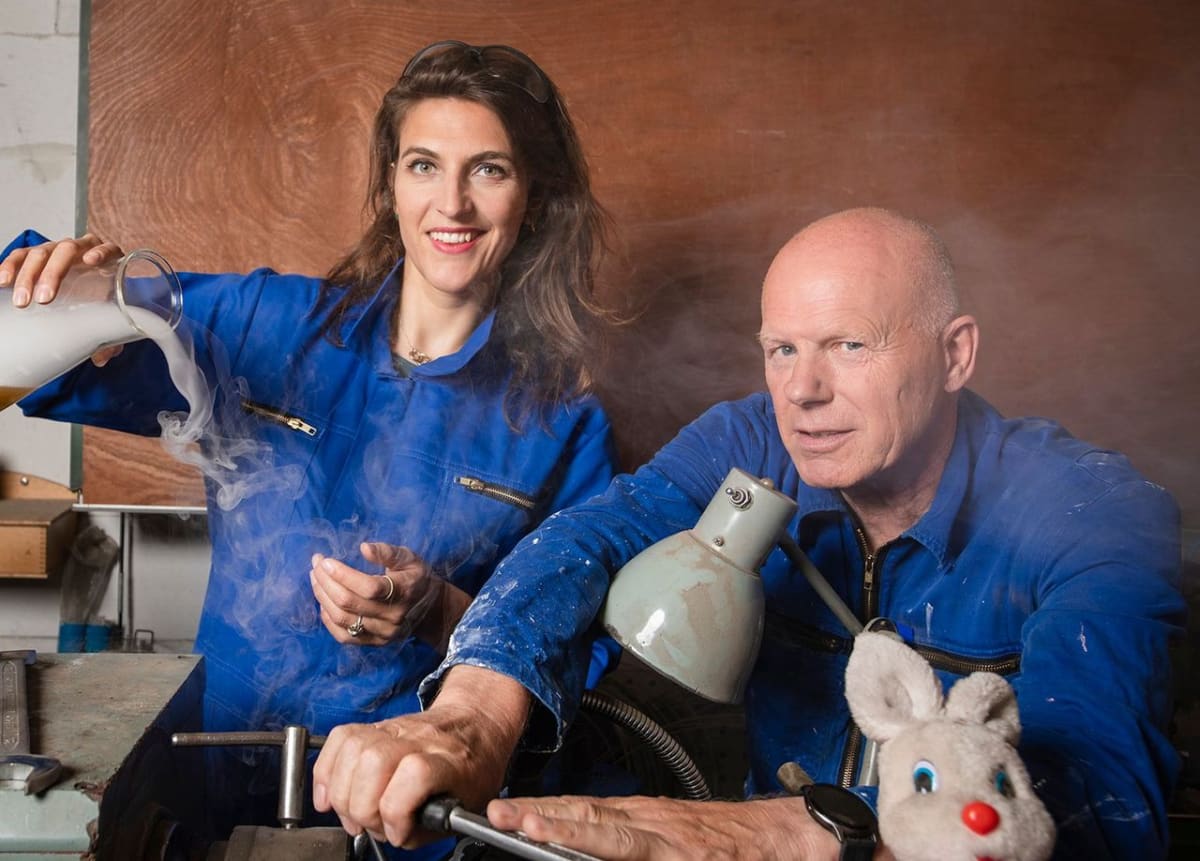
"What's happening in the Netherlands in terms of technology and innovation is completely at odds with how the Netherlands is perceived," says Anna Gimbrère, a figurehead of New Dutch. Her colleague Rob van Hattum agrees: "If you Google the Netherlands, you get tulips and windmills. Sometimes even cocaine. But not what we're really good at."
That's why New Dutch was born in 2021. The initiative, coordinated by the Netherlands Enterprise Agency and the Netherlands Board of Tourism & Conventions, has grown from two cities into a nationwide movement showcasing Dutch innovation to the world.
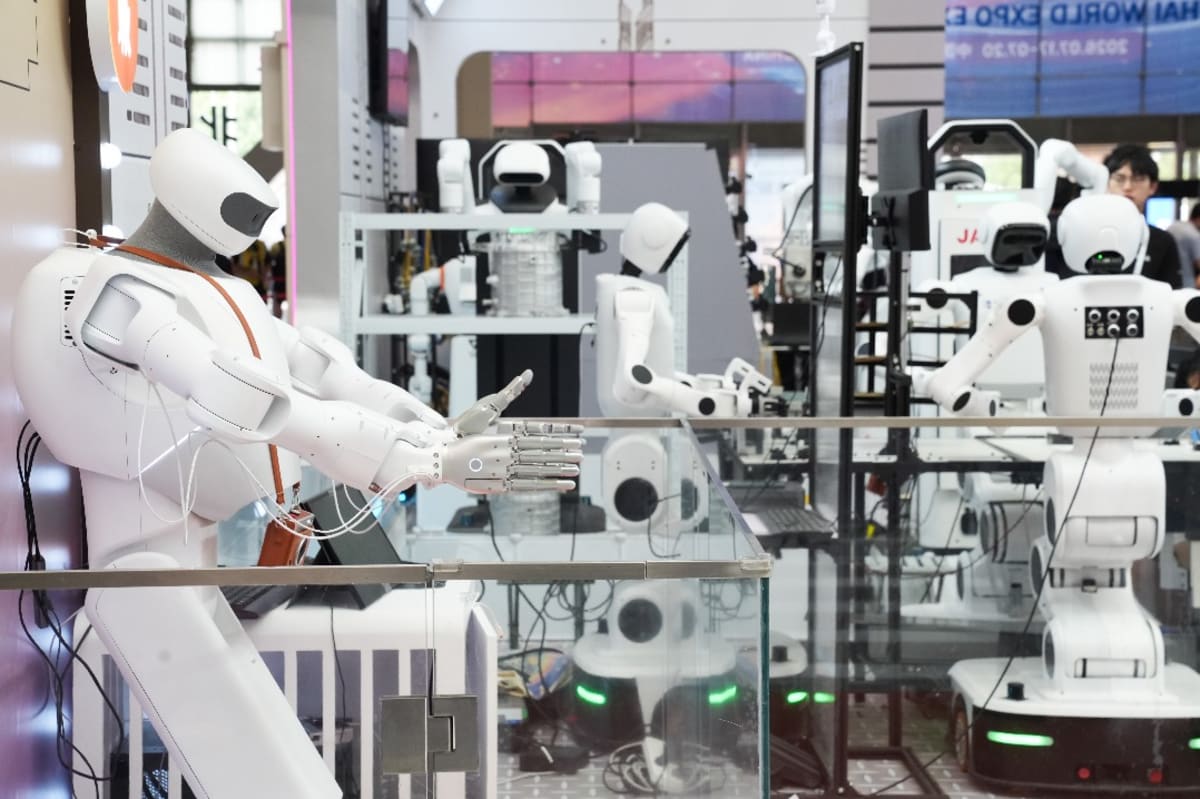
The country's track record speaks for itself. The Netherlands invented the CD and Wi-Fi, and today leads in photonics, semiconductors, precision technology, quantum computing, and space instruments. Dutch fashion designers pioneer innovative materials, while architects create circular housing and green urban development.
Gimbrère and van Hattum, both science journalists with decades in public broadcasting, discovered through their work where the Netherlands truly shines. "It's the advanced machines," says van Hattum. "The high-tech systems. We're extremely good at that."
But here's the problem: if talented engineers worldwide only picture windmills when they think of the Netherlands, they won't consider working there. "The Netherlands urgently needs technicians, researchers, engineers," says van Hattum. "But they won't just show up on their own."
The Ripple Effect
Rebranding the Netherlands could transform more than tourism. When a country understands its strengths, it invests strategically in them. "If a country doesn't know exactly what it's good at, money often goes to safer, more familiar sectors," Gimbrère explains.
She worries about losing funding for space travel, instrument engineering, and quantum technology—the very fields where the Netherlands stands out. Better recognition could secure the future of these innovations that benefit everyone globally.
What makes the Netherlands so good at innovation? Gimbrère points to culture: "The Netherlands is flat—literally, of course, but especially in terms of organization. Hierarchy is less dominant here than elsewhere. Ideas can come from all sides."
Van Hattum adds that the Dutch reputation for being bold and stubborn translates directly into ingenuity. Student teams building solar cars exemplify this: "Everyone has their own specialty, but no one is above anyone else."
New Dutch isn't erasing the old Netherlands—it's adding a new chapter alongside the tulips. The clogs can stay, but now the world will also see the quantum computers, space instruments, and breakthrough technologies emerging from this innovative nation.
Based on reporting by Google News - Netherlands Technology
This story was written by BrightWire based on verified news reports.
Spread the positivity!
Share this good news with someone who needs it