Netherlands Tests Multi-Day Energy Storage to Cut Waste
A new Dutch initiative is tackling renewable energy waste with batteries that can store solar and wind power for up to 100 hours. Three pilot sites will test innovative storage technologies using saltwater, iron, and heat to keep the grid stable when the sun doesn't shine and the wind doesn't blow.
The Netherlands is launching a breakthrough project to solve one of renewable energy's biggest headaches: what to do with all that solar and wind power when you can't use it right away.
The three-year RenewaFLEXNL initiative brings together 17 energy partners to test long-duration storage systems that can hold electricity for 8 to 100 hours. That's a game changer compared to typical batteries that only last a few hours.
"This duration is most effective at reducing curtailment and enhancing reliability in systems with high wind and solar penetration," says project coordinator Iraxte Gonzalez Aparicio. Translation: less clean energy going to waste, more power available when people actually need it.
The project will run three real-world tests across the country. At the Port of Rotterdam, storage systems will connect offshore wind farms to industrial facilities. In De Kwakel, greenhouses will use stored renewable energy instead of gas-fired power. And in Altena, stored clean energy will charge electric trucks and heat local buildings.
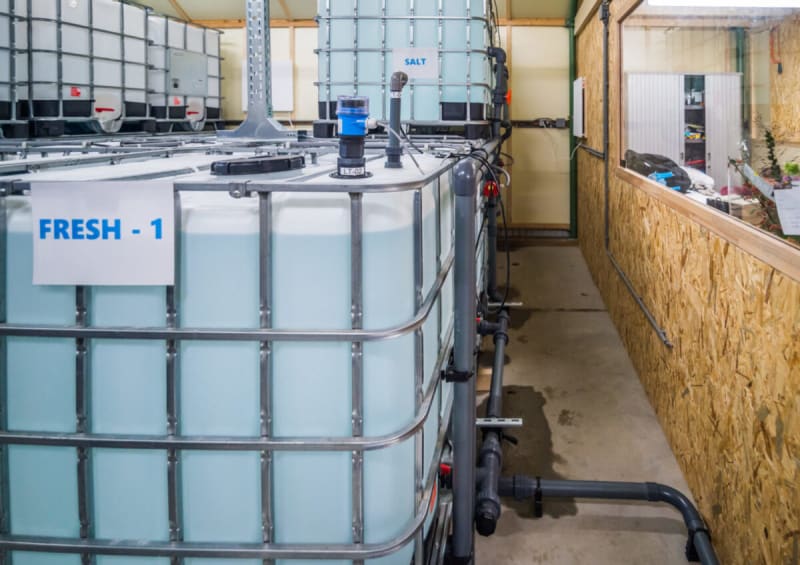
The technologies being tested read like something from a science fiction novel, but they're all built on abundant, safe materials. Aquabattery uses simple saltwater to store energy in a flow battery system that can be scaled up easily. Ore Energy's iron-air solution can hold power for 100 hours using one of Earth's most common elements. BB1 Project combines heat pumps, hot water storage, and batteries to save renewable electricity as both heat and power.
These aren't just science experiments. The consortium is developing contract templates, legal frameworks, and market guidelines to help countries across Europe adopt similar systems. They're even building an open-source energy management system that uses weather forecasts and demand patterns to decide when to store surplus solar and wind power and when to release it.
The barriers are real. Storage technology is expensive upfront, regulations haven't caught up with the innovation, and energy markets don't always recognize the value these systems provide. But the project is designed to tackle each obstacle head-on with practical solutions.
The Ripple Effect
If successful, this Dutch model could reshape how Europe handles renewable energy. Countries across the continent face the same problem: too much clean power when conditions are perfect, not enough when they're not. Multi-day storage could eliminate the need to curtail wind and solar production, making renewable energy reliable enough to power everything from factories to homes without backup fossil fuels.
The consortium includes major players like utility Vattenfall, grid operator Stedin, and technology developers working alongside universities and industry users. When this many diverse partners align around a solution, it signals real momentum.
Within three years, the Netherlands could have a proven playbook for turning intermittent renewable energy into dependable, round-the-clock power—and the rest of Europe will be watching closely.
More Images
Based on reporting by PV Magazine
This story was written by BrightWire based on verified news reports.
Spread the positivity!
Share this good news with someone who needs it