Neuroscientist: How to Bounce Back When Life Falls Apart
A former Juilliard violinist who lost her musical career to injury now helps millions understand why change hurts and how to heal. Her science-backed insights prove your brain can be trained for resilience.
Maya Shankar's hands once flew across violin strings at Juilliard, studying under legendary violinist Itzhak Perlman. Then a sudden injury destroyed her dreams of becoming a professional musician overnight.
That devastating loss became the foundation for a remarkable career in cognitive science. Today, Shankar serves as a behavioral science advisor to the United Nations and shares resilience strategies backed by neuroscience research.
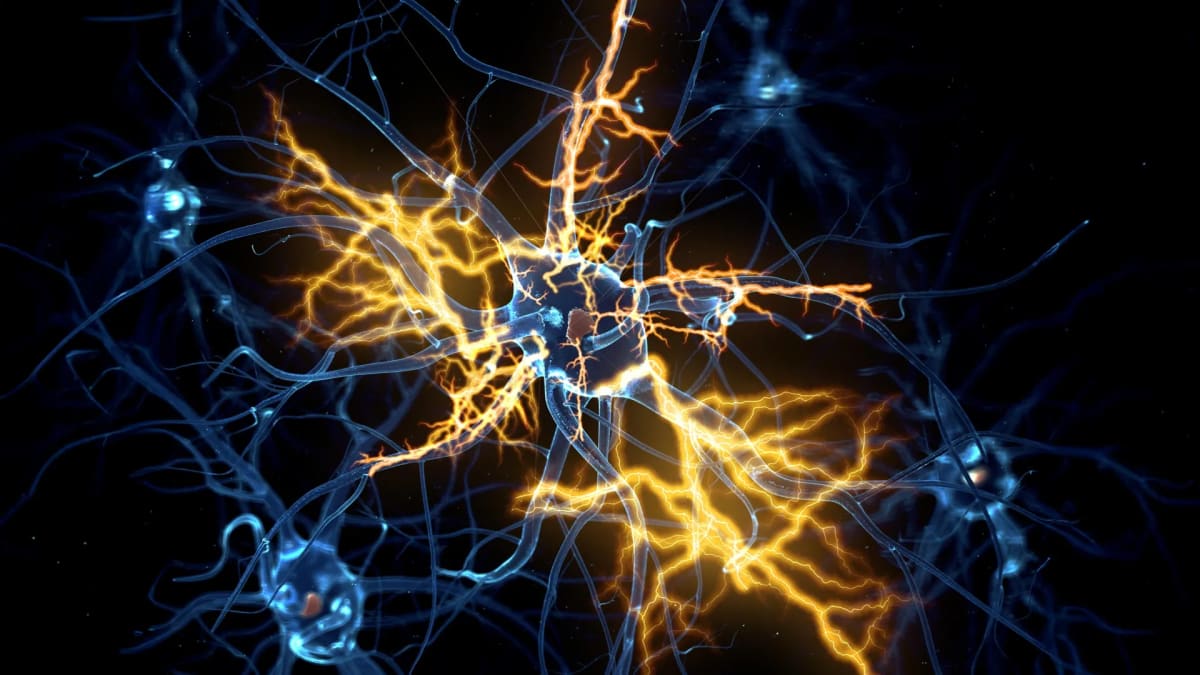
Her new book reveals why our brains struggle so much with unexpected change. In one fascinating study, people felt more stressed waiting for a 50% chance of electric shock than a guaranteed 100% chance. We'd rather face certain bad news than wrestle with uncertainty.
Change also triggers genuine grief because we lose part of our identity. When Shankar's injury ended her music career, she didn't just mourn the violin. She mourned who she fundamentally was as a person.
But here's where the science gets hopeful. Shankar discovered that building a robust, expansive self-identity acts like insurance against life's curveballs. The more dimensions you have to your sense of self, the more resilient you become when one part falls apart.
Her research shows that people who define themselves through multiple roles, relationships, and passions weather upheaval better than those who put all their identity eggs in one basket. When she lost music, Shankar eventually found cognitive science, podcasting, and public policy work that gave her life new meaning.
Why This Inspires
Shankar's story proves that our most painful losses can become doorways to unexpected growth. She transformed personal devastation into a career helping millions navigate their own upheavals through her podcast "A Slight Change of Plans" and her work advising the Obama White House.
The neuroscience is clear: uncertainty physically stresses our brains, and identity loss triggers real grief. But understanding these patterns gives us power over them. We can deliberately expand who we are, creating multiple sources of meaning that make us antifragile.
Her message reaches far beyond individual resilience too. As the founder of the Social and Behavioral Sciences Team in the White House, Shankar applied these insights to help shape policies that acknowledge how real humans actually think and feel during transitions.
The violinist who lost her music found her voice helping others find theirs. That's not just surviving change—it's proof that reinvention can lead somewhere beautiful.
Based on reporting by Fast Company
This story was written by BrightWire based on verified news reports.
Spread the positivity!
Share this good news with someone who needs it