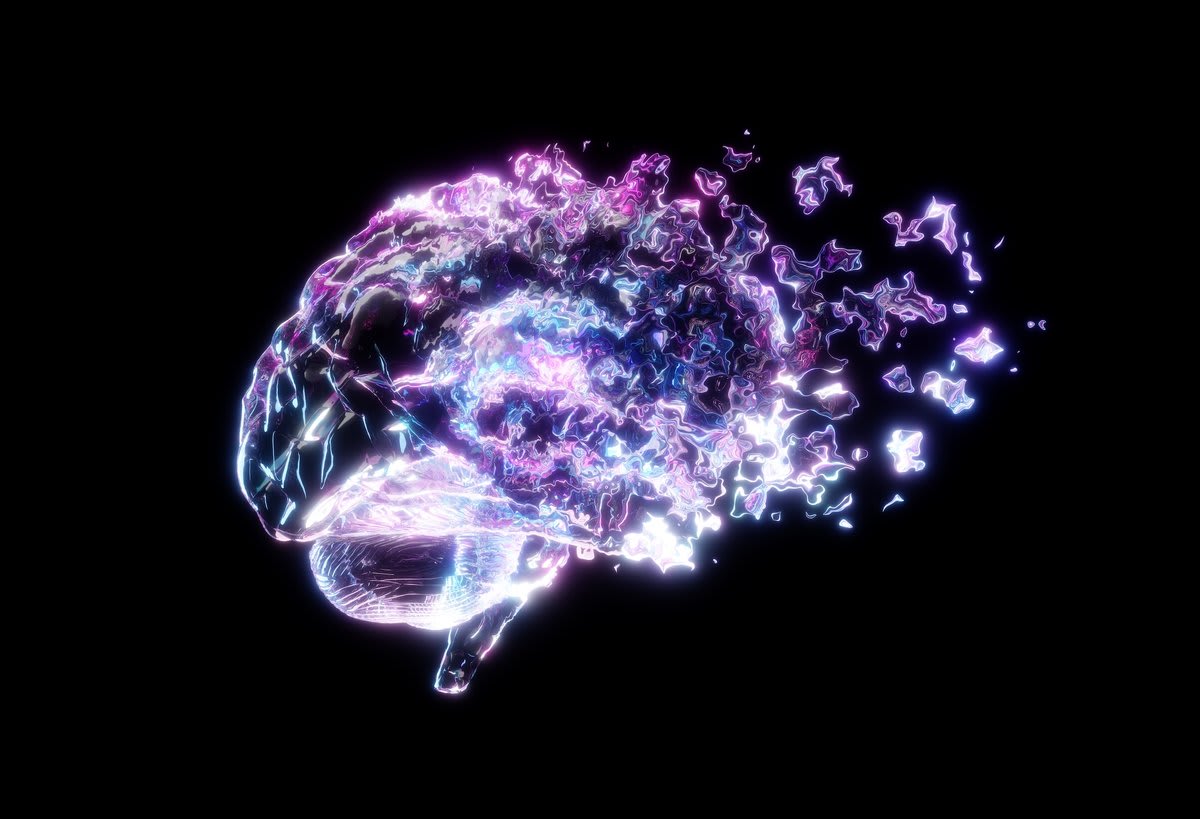
Neuroscientist: Living in the Past Boosts Mental Health
Older adults who reminisce about the good old days aren't stuck in the past. They're actually protecting their brains and boosting their mental health.
Think your grandparents are dwelling too much on their glory days? Science says they're doing something incredibly healthy for their brains.
Dr. David Merrill, director of Pacific Brain Health Center in Santa Monica, California, champions reminiscence therapy as a powerful tool for older adults. The practice of regularly looking back at positive memories does far more than just pass the time.
Research shows reminiscence therapy delivers impressive benefits. Older adults who regularly engage with their past experience improved self-esteem, reduced stress, fewer depression symptoms, and stronger bonds with loved ones.
Merrill recommends making reminiscence a daily habit, similar to gratitude practice. "I think it would be good to have a daily practice of reminiscence," he explains, noting that the benefits build over time.
The most effective approach engages all five senses. Listening to favorite music from decades past can transport someone back instantly. Making treasured family recipes recreates taste memories that words can't capture.
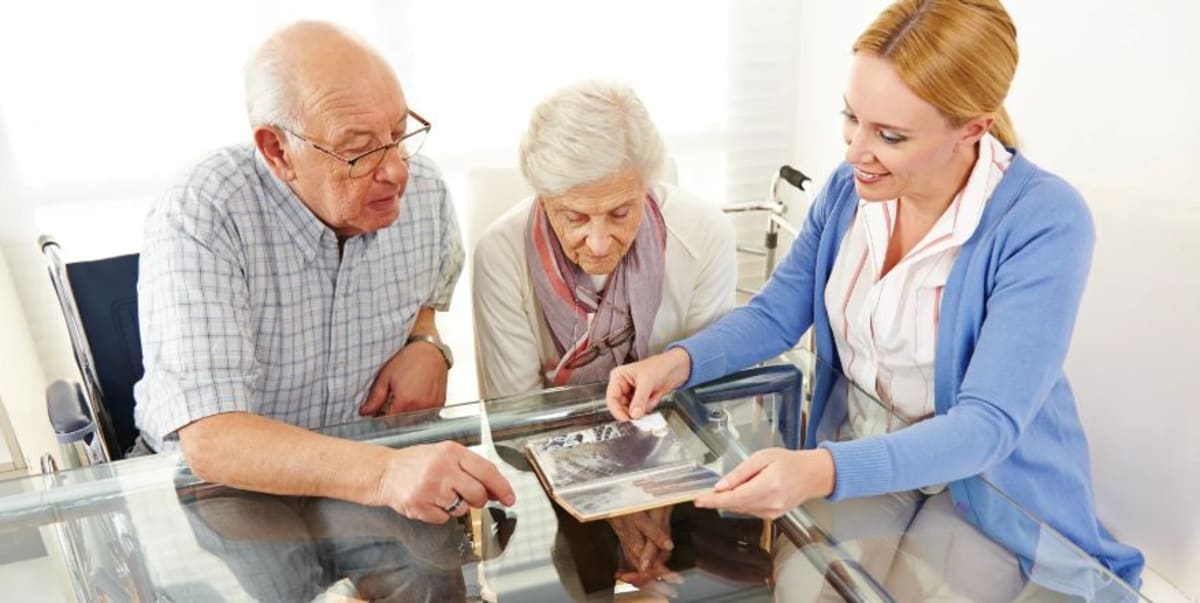
Other powerful triggers include familiar scents like a spouse's perfume, tactile activities like knitting or woodworking, and browsing old photographs. Each sensory experience opens different memory pathways.
The science behind this is fascinating. A recent study published in Cell revealed that memories we think are forgotten aren't actually lost. They're just stored in hard-to-reach places in the brain.
Straining to remember details often fails. But showing someone a photo of their childhood home can unlock a flood of memories about neighbors, street games, and family dinners they thought were gone forever.
Why This Inspires
Many older adults feel guilty about wanting to revisit their past, worried they're being a burden or boring their families. Knowing that reminiscing is medically beneficial gives them permission to share freely.
The practice also celebrates their lives and keeps them at center stage of their own stories. Plus, younger family members get to hear incredible tales they'd never otherwise discover.
What looks like nostalgia is actually brain health in action, bringing generations together one memory at a time.
More Images



Based on reporting by Upworthy
This story was written by BrightWire based on verified news reports.
Spread the positivity!
Share this good news with someone who needs it