New AI Model Boosts Offshore Wind Power Predictions by 5%
Rutgers researchers created a forecasting tool that makes offshore wind energy more reliable by predicting conditions at multiple heights on massive turbines. The breakthrough could help renewable energy better power millions of homes along the East Coast.
Scientists just solved a major puzzle that could make clean energy more dependable for millions of people.
Rutgers University researchers developed DeepMIDE, a new forecasting model that predicts how much electricity giant offshore wind turbines will generate with unprecedented accuracy. The breakthrough comes just as these turbines are becoming essential to powering coastal cities with clean energy.
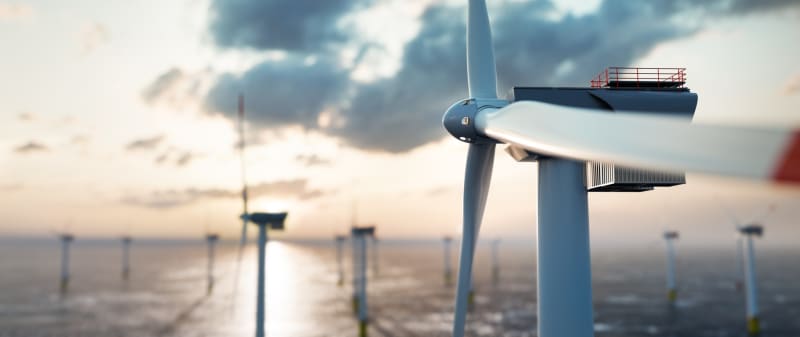
The challenge is surprisingly simple: modern offshore wind turbines now tower over 450 feet tall with blades sweeping areas larger than football fields. Wind conditions at the top of these massive structures behave completely differently than at the bottom, but older prediction methods treated them all the same.
Ahmed Aziz Ezzat, assistant professor at Rutgers and affiliate of the Climate and Energy Institute, worked with doctoral student Feng Ye to create a smarter solution. DeepMIDE tracks wind patterns at multiple heights simultaneously, learning from historical weather data to predict power output far more accurately.
The team tested their model using real measurements from floating sensors off the New Jersey and New York coasts. DeepMIDE improved wind speed forecasts by up to 7% and power output predictions by 5% compared to existing methods.
Those percentage points translate into real impact. More accurate forecasts mean grid operators can schedule renewable power more efficiently, reducing waste and ensuring homes and businesses get reliable electricity when they need it.
Why This Inspires
The research published in Technometrics arrives at a perfect moment. The Northeastern United States is rapidly expanding offshore wind development to meet growing energy demands from large coastal populations.
Better predictions help wind farm operators maximize performance while keeping the grid stable. That means less backup power from fossil fuels and more confidence in renewable energy as a primary power source.
"As offshore wind farms become essential to our energy future, tools like DeepMIDE can help operators maximize performance while ensuring reliable, efficient, and sustainable power delivery," Ezzat said.
Ye, who recently started a faculty position at Clemson University after completing his doctorate, designed the model to blend traditional statistical techniques with modern AI. This combination lets DeepMIDE capture how wind conditions change across space, time, and height together.
The innovation matters because offshore wind is expected to play a central role in fighting climate change. Making these massive turbines more predictable brings us one step closer to a clean energy future that actually works.
Based on reporting by Google News - Wind Energy
This story was written by BrightWire based on verified news reports.
Spread the positivity!
Share this good news with someone who needs it