New AI Tool Slashes Drug Development Time and Costs
Scientists just made discovering new medicines faster and cheaper using smart AI that predicts which chemical combinations will work. Instead of testing 50 reactions in the lab, researchers now only need to test 5.
Creating new medicines just got dramatically faster and more affordable thanks to a breakthrough AI tool that's changing how scientists develop drugs.
Researchers at the University of Utah and UCLA built a machine learning system that can predict how thousands of chemical combinations will behave without expensive lab testing. Published in Nature, the innovation could save pharmaceutical researchers months of work and massive amounts of money.
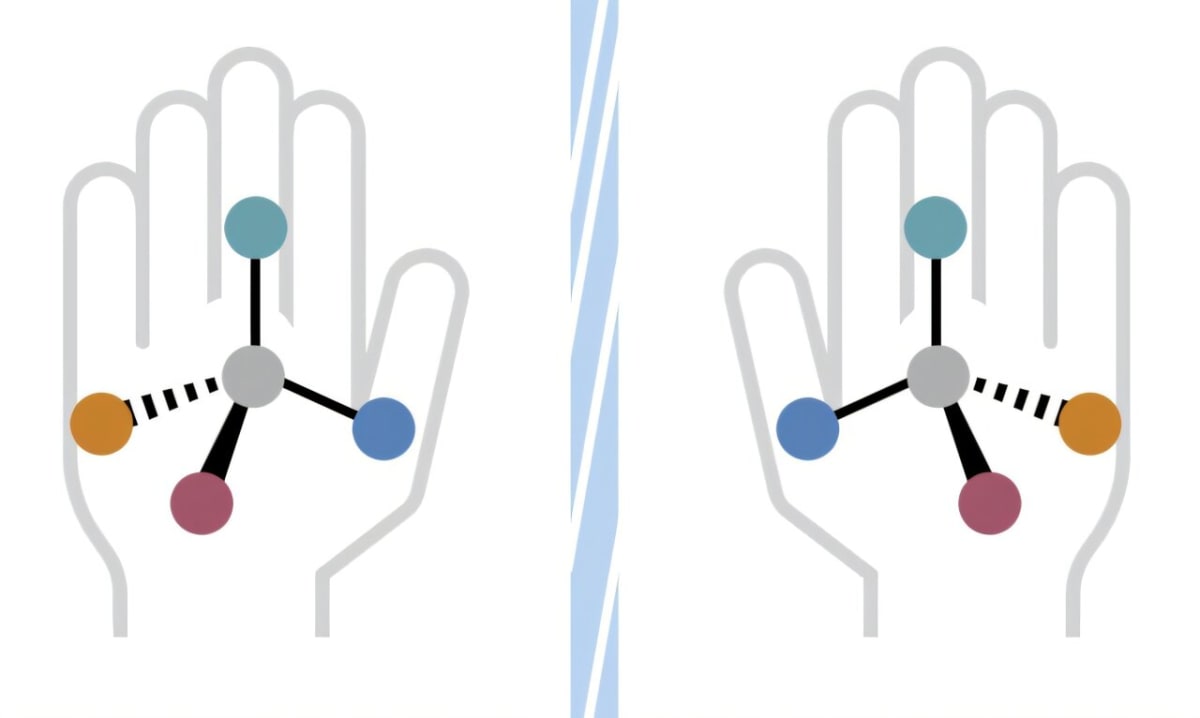
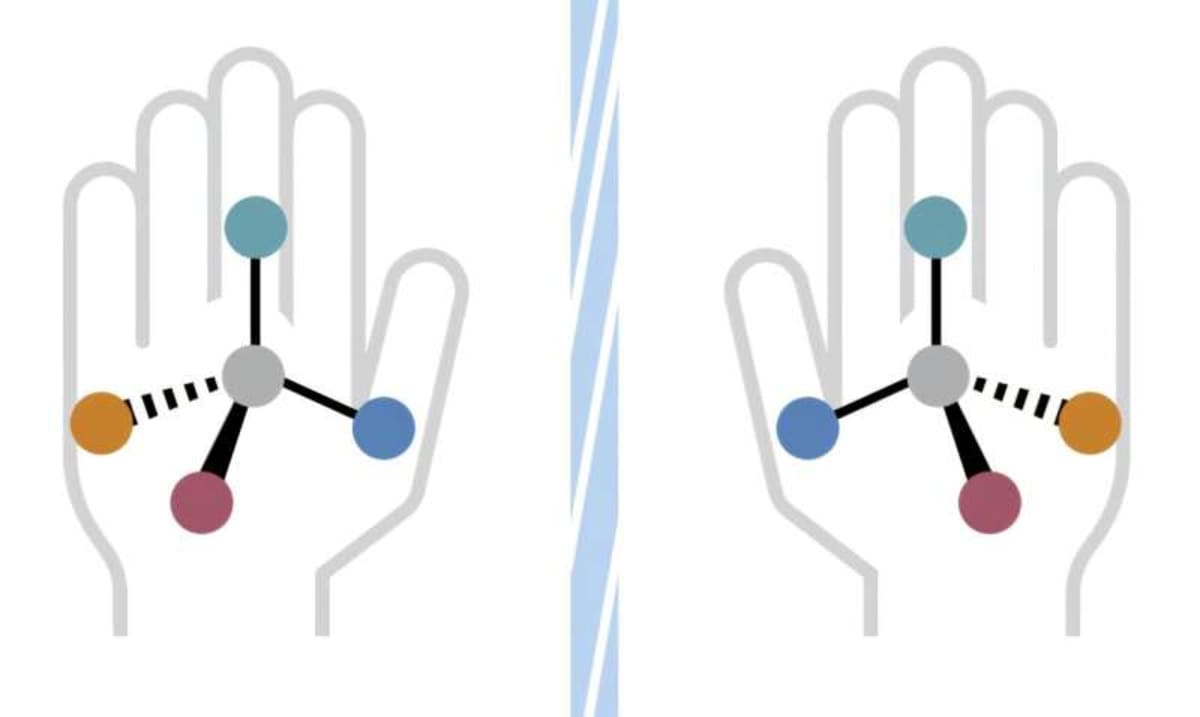
The challenge scientists face is tricky. Many medicine molecules have "handedness," meaning they exist as mirror images. One version might heal you, while its mirror twin could cause harm. Finding the right combination of ingredients to create only the helpful version normally requires running dozens of expensive experiments.
"Instead of running 50 to 60 reactions, we are now able to run 5 to 10, potentially saving weeks or months," said Erin Bucci, a UCLA doctoral student who tested the tool. Each reaction component must be purchased or made from scratch, so the cost savings add up quickly.
The team trained their AI using data from just four existing research papers on nickel-based catalysts. Even with surprisingly little information, the system learned to accurately forecast how different chemical pieces would snap together.
What makes this tool special is its efficiency. Most AI systems need enormous amounts of data to work well, which is incredibly expensive and time-consuming to generate in chemistry labs. This workflow built reasonably accurate models from smaller datasets and could even make predictions about reactions it had never seen before.
The system acts like a high-tech filter, screening tens of thousands of chemical structures to predict which combinations will produce the desired medicine form over its potentially harmful mirror image. It converts reaction components into numerical data a computer can analyze, then uses that framework to make reliable predictions.
The Ripple Effect
Beyond saving time and money in individual labs, this breakthrough could speed up medicine development for patients waiting for new treatments. Drug discovery typically costs millions and takes years. Tools that cut both expenses and timelines mean potentially life-saving medicines could reach people faster.
The workflow isn't limited to nickel-based reactions either. Researchers say it can apply across different fields of chemistry, potentially deepening our understanding of how molecules behave. Because the system isn't a "black box," scientists can actually learn something about the underlying chemistry from the predictions it makes.
The tool represents a smarter, more sustainable approach to pharmaceutical research that could make developing new medicines more accessible to smaller research teams and institutions worldwide.
More Images



Based on reporting by Phys.org
This story was written by BrightWire based on verified news reports.
Spread the positivity!
Share this good news with someone who needs it