New ALS Drug Trial Launches After Promising Early Results
A groundbreaking ALS treatment has enrolled its first patient in a major clinical trial that could help slow disease progression in early-stage patients. The study follows encouraging results showing the drug helped preserve speech and breathing function in rapid-decline patients.
For the 30,000 Americans living with ALS, a new clinical trial launching this month offers real hope for slowing the disease that strips away the ability to move, speak, and breathe.
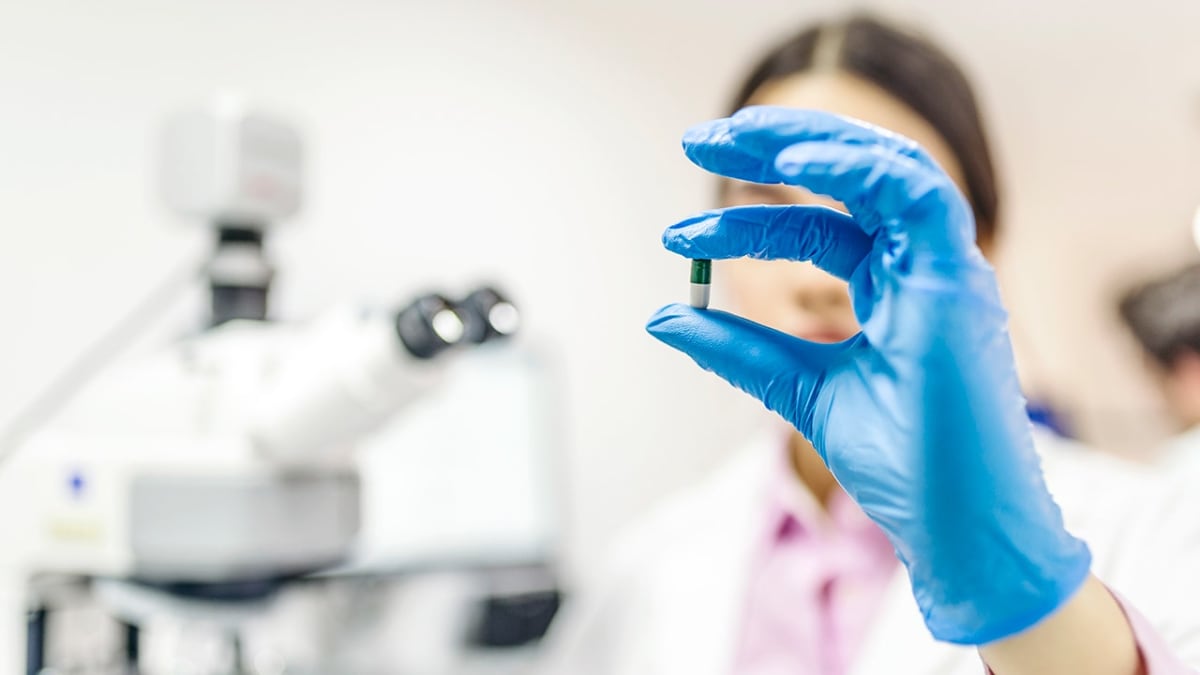
The PREVAiLS study has enrolled its first participant at Mass General Brigham, kicking off a global trial of pridopidine, an investigational drug that showed promising results in earlier testing. The trial will include 500 patients across 60 treatment centers in 13 countries.
What makes this trial special is its focus. Researchers are targeting patients in the early stages of ALS who are experiencing rapid decline, the group that showed the most benefit in previous studies.
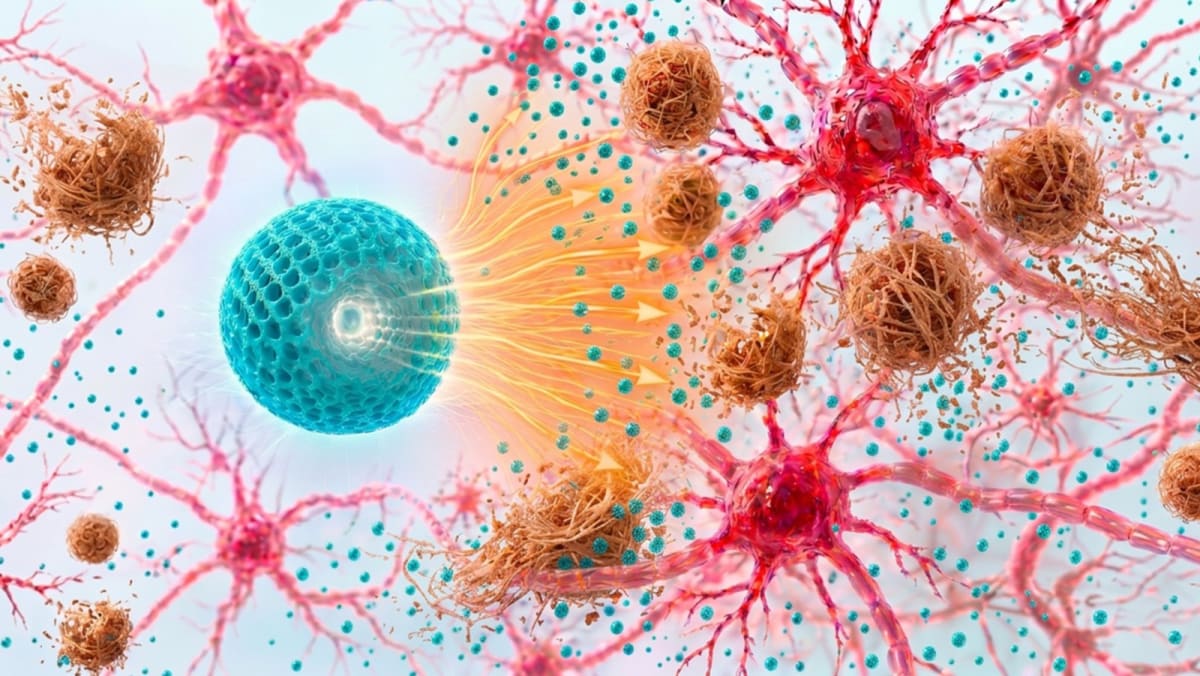
Dr. Sabrina Paganoni, who leads the trial at Mass General Hospital, explains that pridopidine works by activating protective pathways in the brain that break down in ALS and similar diseases. The drug was well-tolerated in earlier trials, with side effects similar to placebo.
The Bright Side
While the earlier phase 2 trial didn't meet its overall goals, it revealed something important. Patients in early stages of rapidly progressing ALS saw real benefits, particularly in preserving speech and breathing function.
That matters enormously because respiratory decline causes most ALS deaths. Even modest improvements in breathing capacity can significantly boost quality of life and survival time.
Dr. Kuldip Dave from The ALS Association points out that early diagnosis and treatment offer the greatest chance to preserve function and maintain quality of life longer. This trial could prove whether catching ALS early and treating aggressively makes a meaningful difference.
The study represents the only currently recruiting phase 3 ALS trial, making it a milestone moment for patients and families desperate for new options. Most people with ALS live only three to five years after diagnosis, though about 20% survive five years or longer.
The researchers won't have definitive answers until the trial completes and undergoes full analysis. But for patients like the first enrollee at Mass General Brigham, participating means contributing to scientific discovery that could help future generations.
ALS affects people differently, with varied timelines and symptom progression. The disease attacks motor neurons controlling voluntary movement while leaving the mind sharp and the five senses intact, allowing most patients to remain mentally alert throughout their journey.
Every patient who enrolls brings researchers one step closer to making ALS livable until they find a cure.
More Images

Based on reporting by Google News - Health Breakthrough
This story was written by BrightWire based on verified news reports.
Spread the positivity!
Share this good news with someone who needs it