New ALS Drug Trial Offers Hope for Early Patients
A promising ALS treatment has enrolled its first patient in a major clinical trial that could slow disease progression. The drug showed encouraging results in early-stage patients during previous testing.
For people facing ALS, a devastating disease with few treatment options, a new clinical trial is opening doors to hope.
The PREVAiLS study has enrolled its first participant at Mass General Brigham, launching a global phase 3 trial of pridopidine. This investigational drug targets specific brain pathways that break down in ALS and similar diseases.
The trial will include 500 participants across 60 treatment centers in 13 countries. Researchers are focusing on patients in the early stages who are experiencing rapid progression, a group that showed the most promise in earlier testing.
Dr. Sabrina Paganoni, who leads the research at Mass General Hospital, explained that pridopidine works by activating the sigma-1 receptor. This protein plays a crucial role in protecting neurons from damage in diseases like ALS and Huntington's.
The path to this trial started with encouraging signals from 2023 research. While the phase 2 HEALEY trial didn't meet its primary goal across all patients, a specific subgroup saw meaningful improvements. Early-stage patients showed positive results, particularly in preserving speech and respiratory function.
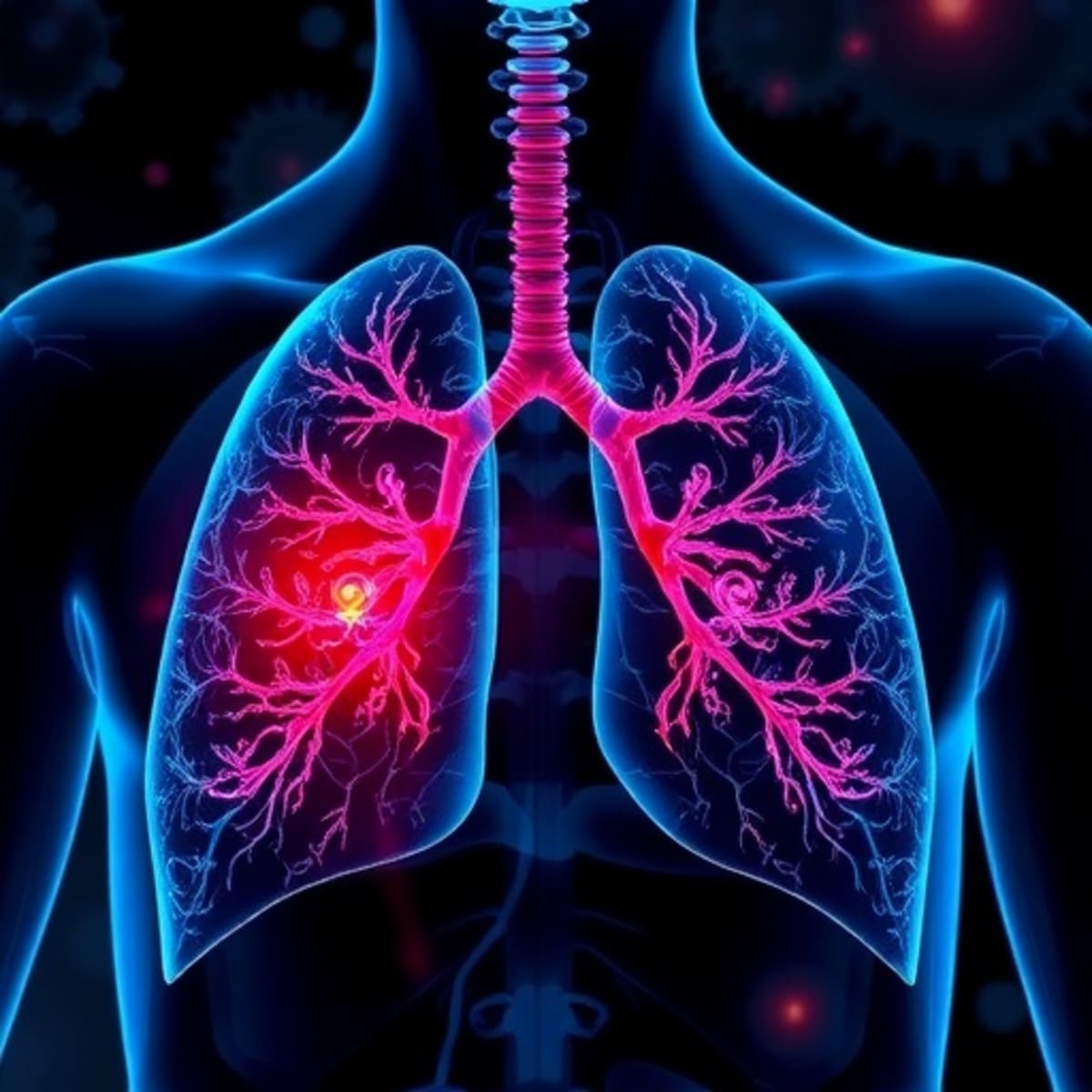
Those respiratory findings matter enormously. Because breathing decline causes most ALS deaths, even modest preservation of lung capacity can extend both quality of life and survival.
The drug proved safe in earlier testing, with side effects similar to placebo. The most common issues were falls and muscle weakness, which overlap with ALS symptoms themselves.
Why This Inspires
PREVAiLS is currently the only recruiting phase 3 ALS study worldwide. That makes it a beacon for thousands of families searching for answers.
Dr. Kuldip Dave from The ALS Association emphasized the importance of early intervention. "The earlier we can diagnose and treat ALS, the greater the potential to preserve function and maintain quality of life for longer," he said.
Right now, ALS remains fatal, with most patients living three to five years after diagnosis. Only about 20% survive beyond five years. The disease strips away the ability to walk, talk, eat, and eventually breathe, though it leaves the mind sharp and the senses intact.
Dave praised the courage of ALS patients who volunteer for these trials. Their participation accelerates scientific discovery and brings the medical community closer to making ALS livable until researchers find a cure.
The trial results won't be available until completion and full analysis. But for families facing this disease today, the fact that research continues with renewed focus on the patients who need it most is itself a victory worth celebrating.
More Images
Based on reporting by Fox News Health
This story was written by BrightWire based on verified news reports.
Spread the positivity!
Share this good news with someone who needs it