New Alzheimer's Treatment Shows Promise in Memory Tests
Scientists discovered that blocking a specific protein helps brain cells clear harmful plaques and improves memory in Alzheimer's models. The breakthrough could lead to combination therapies that slow the disease more effectively than current treatments.
A team at Cold Spring Harbor Laboratory just found a promising new way to fight Alzheimer's disease, targeting a protein that could help millions of families facing this devastating condition.
Professor Nicholas Tonks knows the pain of Alzheimer's personally. His mother lived with the disease, and he describes it as "a slow bereavement" where you lose someone piece by piece.
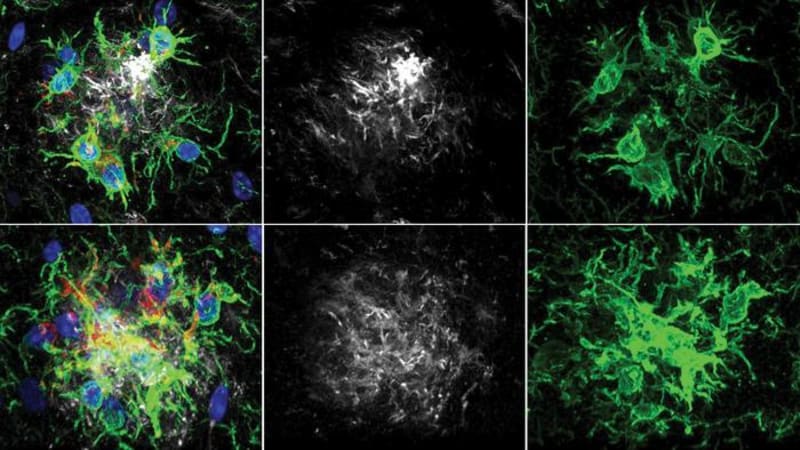
Now his research offers real hope. Tonks and his team discovered that blocking a protein called PTP1B helps the brain's immune cells work better at clearing out harmful plaques that cause Alzheimer's. In mouse studies, this approach improved both learning and memory.
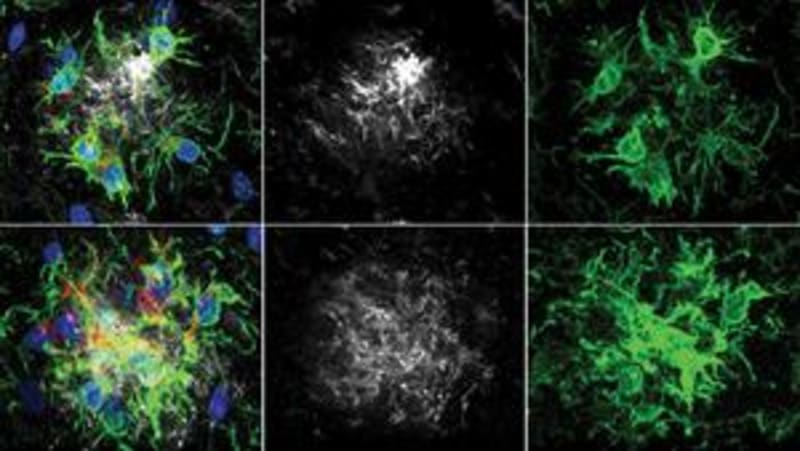
The science is straightforward. Alzheimer's brains accumulate a peptide called amyloid-β that clumps together into plaques. The brain's immune cells normally clean up this debris, but they become exhausted over time. When researchers blocked PTP1B, these cells got their energy back and started clearing plaques again.
Graduate student Yuxin Cen explains it simply: "Our results suggest that PTP1B inhibition can improve microglial function, clearing up Aβ plaques."
The Bright Side
What makes this discovery especially exciting is its potential to tackle Alzheimer's from multiple angles. PTP1B is already a proven target for treating obesity and type 2 diabetes, both major risk factors for Alzheimer's. A single treatment could address several problems at once.
Current Alzheimer's medications focus only on clearing plaques and offer modest benefits for many patients. This new approach could work alongside existing drugs to create more powerful combination therapies.
Tonks discovered PTP1B back in 1988 and has spent decades studying it. Now he's working with a company called DepYmed to develop inhibitors that could help patients. He envisions pairing these new drugs with already approved treatments.
The research appears in the Proceedings of the National Academy of Sciences. While human trials still lie ahead, the results establish PTP1B as a legitimate therapeutic target worth pursuing.
"The goal is to slow Alzheimer's progression and improve quality of life of the patients," Tonks says. For the millions of families watching loved ones slip away, that goal represents not just scientific progress but genuine hope for more time together.
More Images
Based on reporting by Google News - Researchers Find
This story was written by BrightWire based on verified news reports.
Spread the positivity!
Share this good news with someone who needs it