New Autism Treatment Restores Brain Function in Mice, Organoids
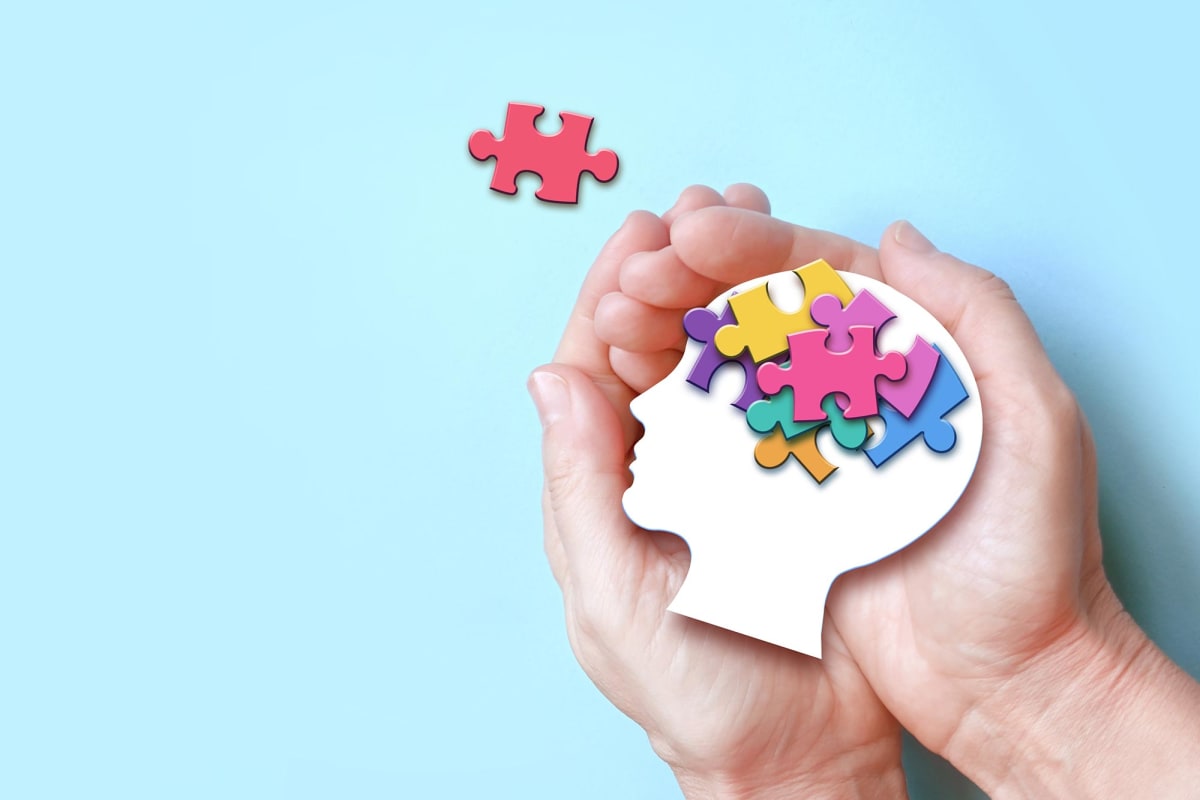
Scientists have discovered a promising new approach to treating autism by targeting a specific brain protein that restores normal neural activity. The therapy worked in both mouse models and human brain organoids, offering hope for millions.
A breakthrough discovery could open new doors for treating autism spectrum disorder and related conditions affecting how the brain communicates.
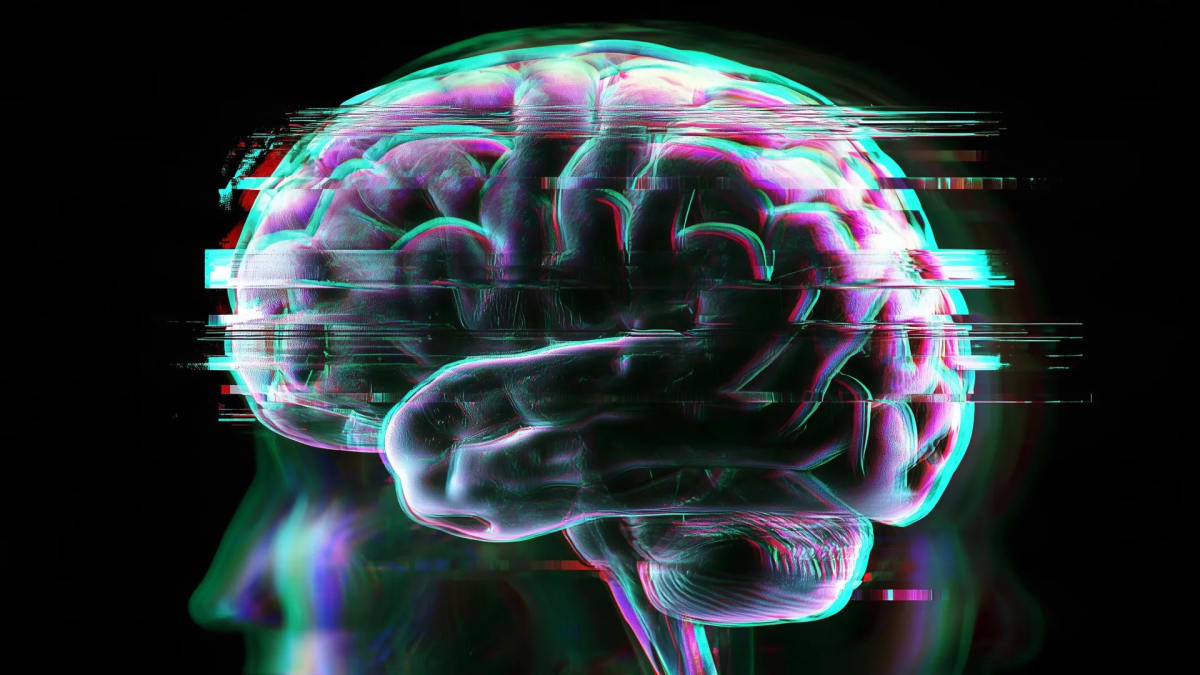
Researchers at South Korea's Institute for Basic Science found a way to restore activity in NMDA receptors, crucial brain components that help neurons talk to each other. When these receptors don't work properly, they contribute to autism, schizophrenia, and intellectual disabilities.
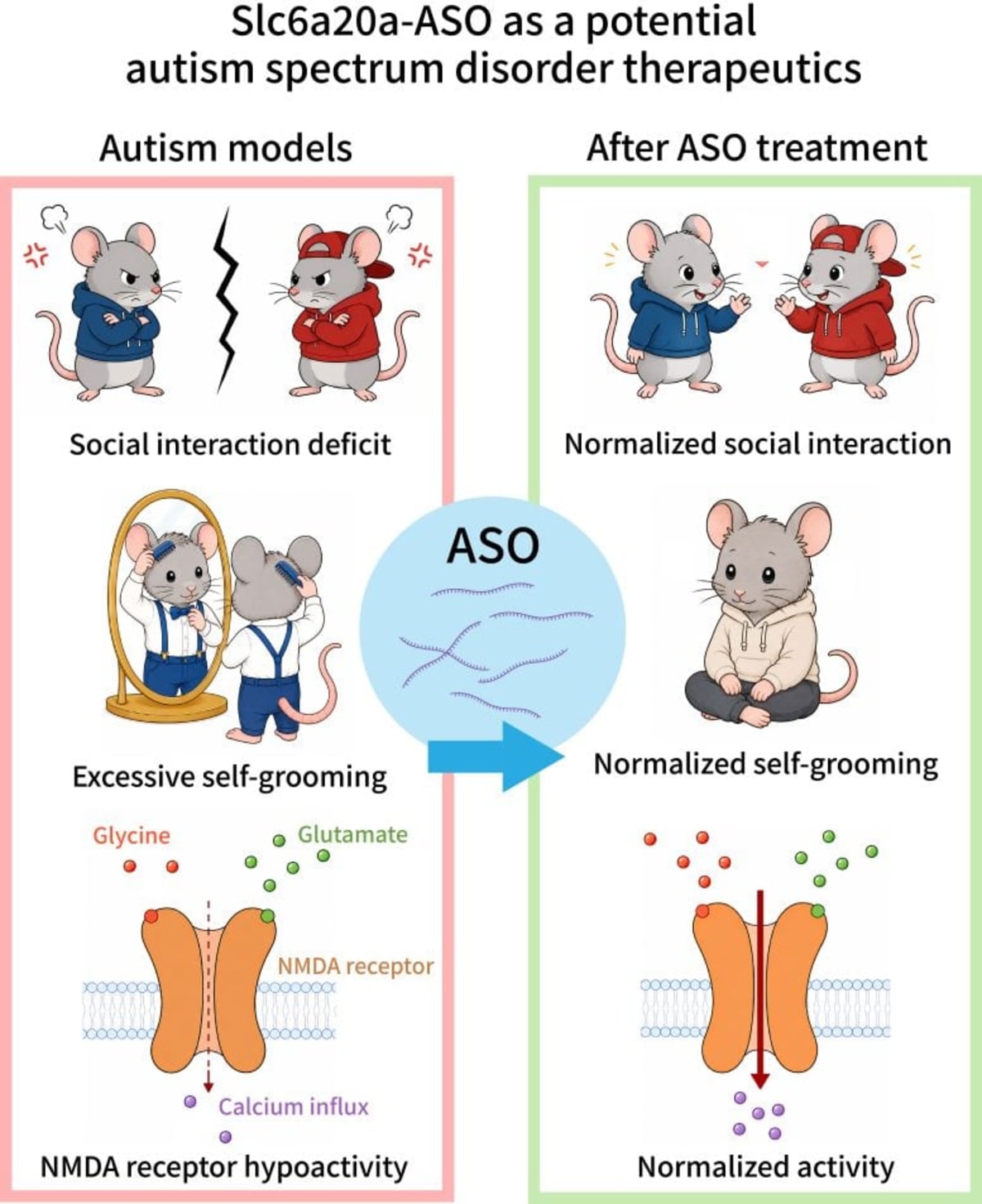
The team focused on a protein called SLC6A20, which controls levels of glycine, an amino acid the brain needs for proper signaling. By using antisense therapy to dial down this protein's activity, they successfully restored normal brain function in mice with autism-related genetic mutations.
Previous attempts to fix NMDA receptors targeted a different protein called GlyT1, but that approach caused breathing and movement problems because GlyT1 exists throughout the brainstem. SLC6A20 is found mainly in brain areas involved in thinking and learning, making it a much safer target.
The results were striking. Treated mice showed improved social interaction, better communication, and reduced repetitive behaviors. Even more exciting, the therapy worked in adult mice, suggesting the brain can still be helped after development is complete.
The team then tested their approach on human brain organoids, miniature lab-grown brain models created with CRISPR gene editing to carry the same mutations found in many autism cases. The therapy restored normal NMDA receptor function in these human tissues too.
One treatment remained effective for at least eight weeks with no harmful side effects detected. Instead of changing protein levels across the board, the therapy corrected specific signaling patterns that had gone wrong.
The Ripple Effect
This discovery could reach far beyond autism. Conditions like schizophrenia and certain types of intellectual disability also involve reduced NMDA receptor activity, meaning this same approach might help those patients too.
The fact that the treatment works by adjusting natural signaling pathways rather than forcing artificial changes makes it more practical for real-world use. And because it showed similar results in both mouse models and human brain tissue, the path to clinical trials looks more promising.
Director Kim Eunjoon noted that unlike strategies requiring gene replacement, this method simply modulates pathways already present in the brain. That could make it safer and easier to develop into an actual treatment.
Millions of families touched by autism and related disorders now have a new reason for optimism grounded in solid science.
More Images
Based on reporting by Google News - New Treatment
This story was written by BrightWire based on verified news reports.
Spread the positivity!
Share this good news with someone who needs it