New Battery Tech Could Power Clean Energy Future by 2030
Scientists at the University of Sharjah say next-generation batteries are close to solving our biggest clean energy challenge. With electric vehicles set to dominate 89% of battery use by 2030, researchers are racing to create safer, more sustainable alternatives to lithium-ion.
The batteries powering our phones and electric cars are running out of room to improve, but scientists say the next generation of energy storage is almost here.
Researchers at the University of Sharjah have mapped out the future of battery technology in a comprehensive new study. They found that while today's lithium-ion batteries have served us well, they're reaching their maximum potential just as the world needs them most.
The numbers tell an urgent story. Electric transportation alone will account for nearly 89% of all battery applications by 2030. To meet that demand, the world needs to produce 6,700 gigawatt hours of batteries annually by 2031. That's a staggering increase that current lithium supplies simply can't support long term.
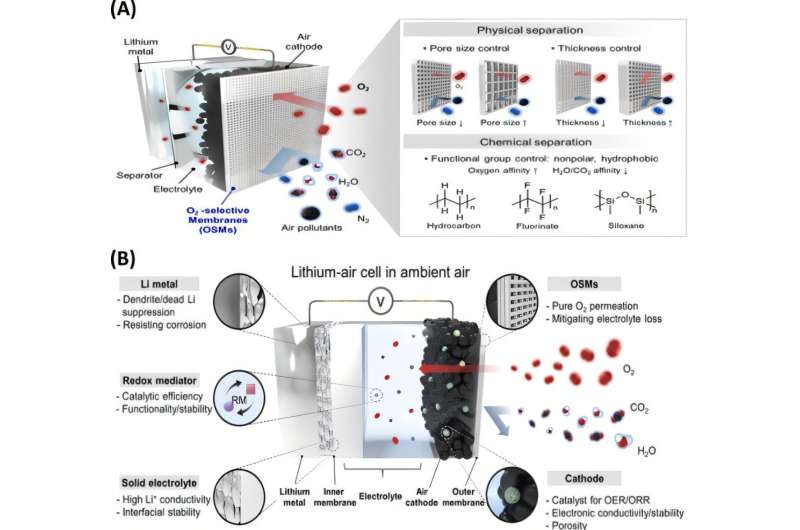
The good news? Scientists are already developing promising alternatives. The study highlights lithium-sulfur, sodium, zinc, and aluminum batteries as frontrunners to replace or complement current technology. These options could offer higher energy capacity, better safety, and greater sustainability.
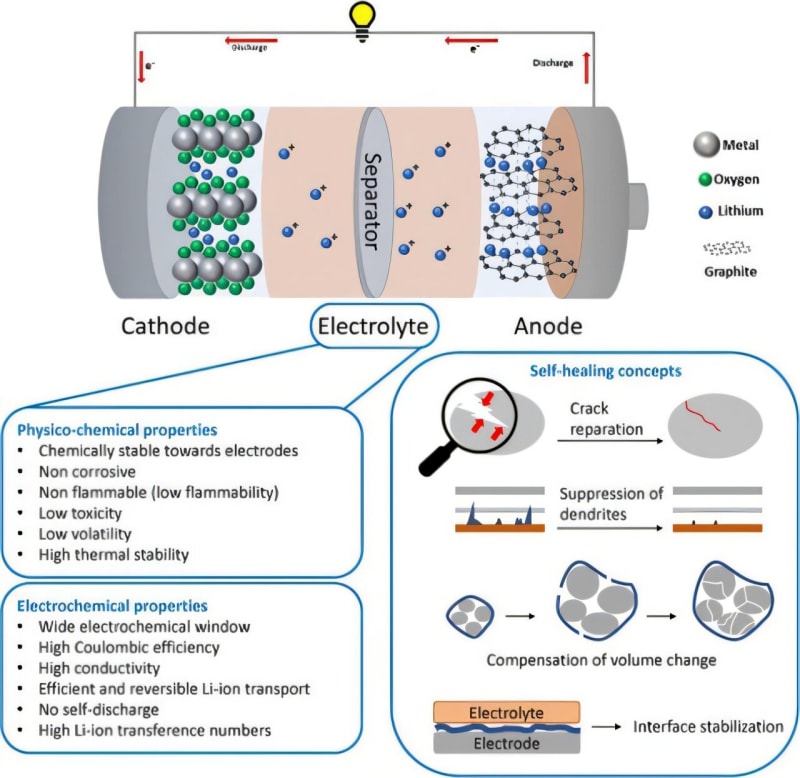
Safety remains a top priority. Current lithium-ion batteries can overheat and trigger thermal runaway, a dangerous chain reaction caused by electrode breakdown and excess heat. The research team emphasizes that any new battery design must balance higher energy storage with rock-solid safety standards.
The timeline looks encouraging. Researchers predict lithium-ion batteries will reach energy densities of 500 watt-hours per kilogram by 2030. Meanwhile, alternative battery chemistries are advancing rapidly in labs worldwide.
The Ripple Effect
This breakthrough matters far beyond your smartphone. Better batteries mean electric cars that drive farther, solar panels that store energy longer, and power grids that run cleaner. The research team's 2030 roadmap provides a clear path forward for manufacturers and policymakers alike.
By exploring multiple battery types instead of relying solely on lithium, scientists are opening doors to applications we haven't imagined yet. Each new chemistry brings unique strengths that could revolutionize different sectors, from medical devices to renewable energy storage.
The shift away from complete lithium dependence also addresses resource concerns. Current projections suggest lithium demand could increase 100-fold, but diversifying battery technology spreads that pressure across multiple sustainable materials.
The researchers emphasize that achieving these goals requires continued innovation in both materials and manufacturing processes. The challenge isn't just making better batteries, but making them affordable, safe, and environmentally responsible at massive scale.
The race to power our clean energy future is heating up, and the finish line is closer than ever.
More Images

Based on reporting by Phys.org - Technology
This story was written by BrightWire based on verified news reports.
Spread the positivity!
Share this good news with someone who needs it