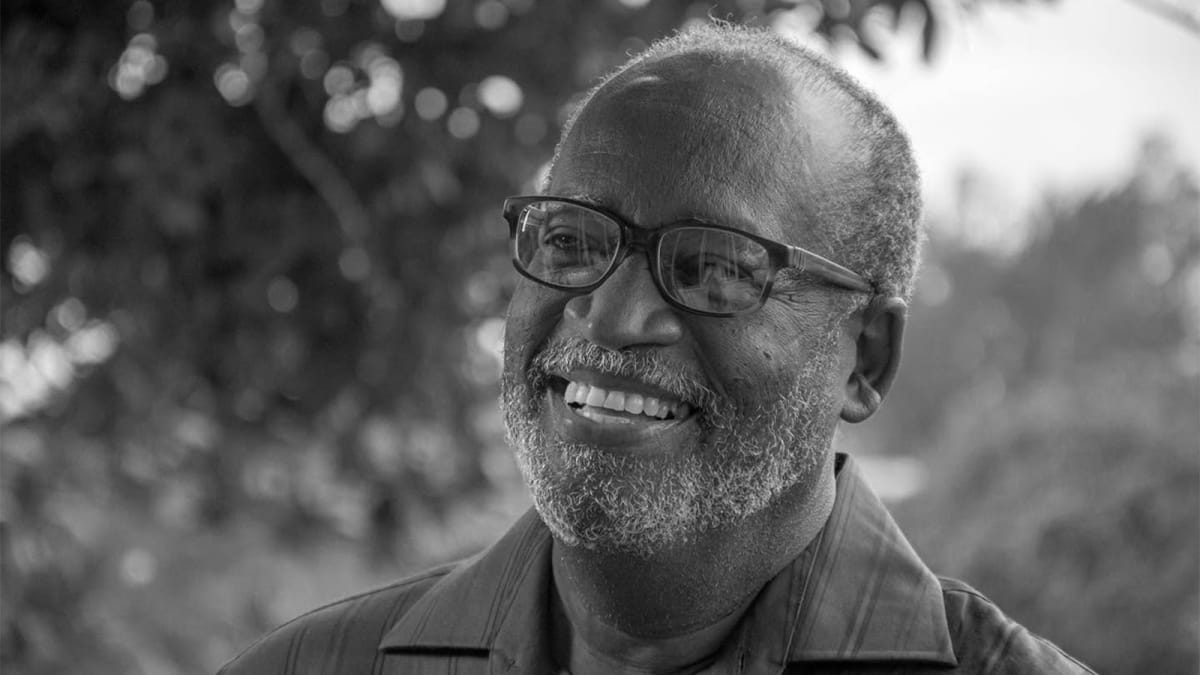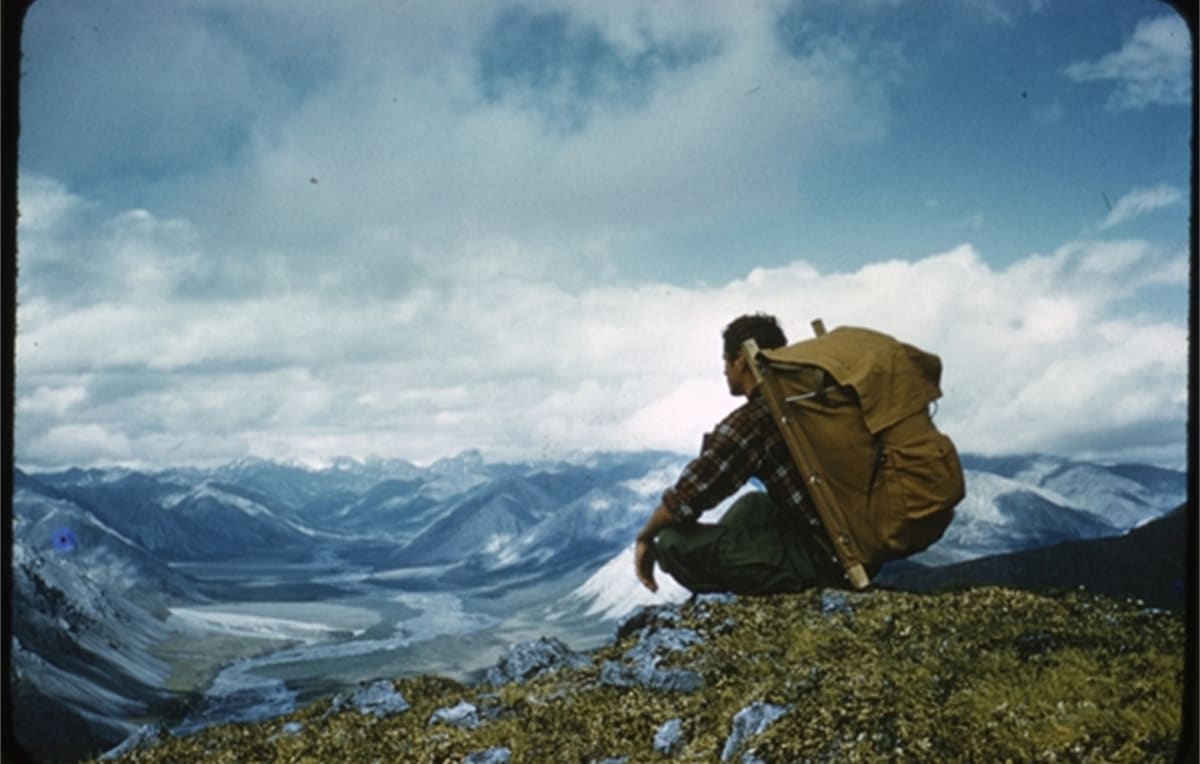
New Biography Captures Legendary Field Biologist's Life
Miriam Horn's new biography tells the story of George Schaller, one of the 20th century's most influential wildlife scientists who transformed how we study animals in the wild. The book celebrates a quiet hero who helped reshape conservation by simply watching and waiting.
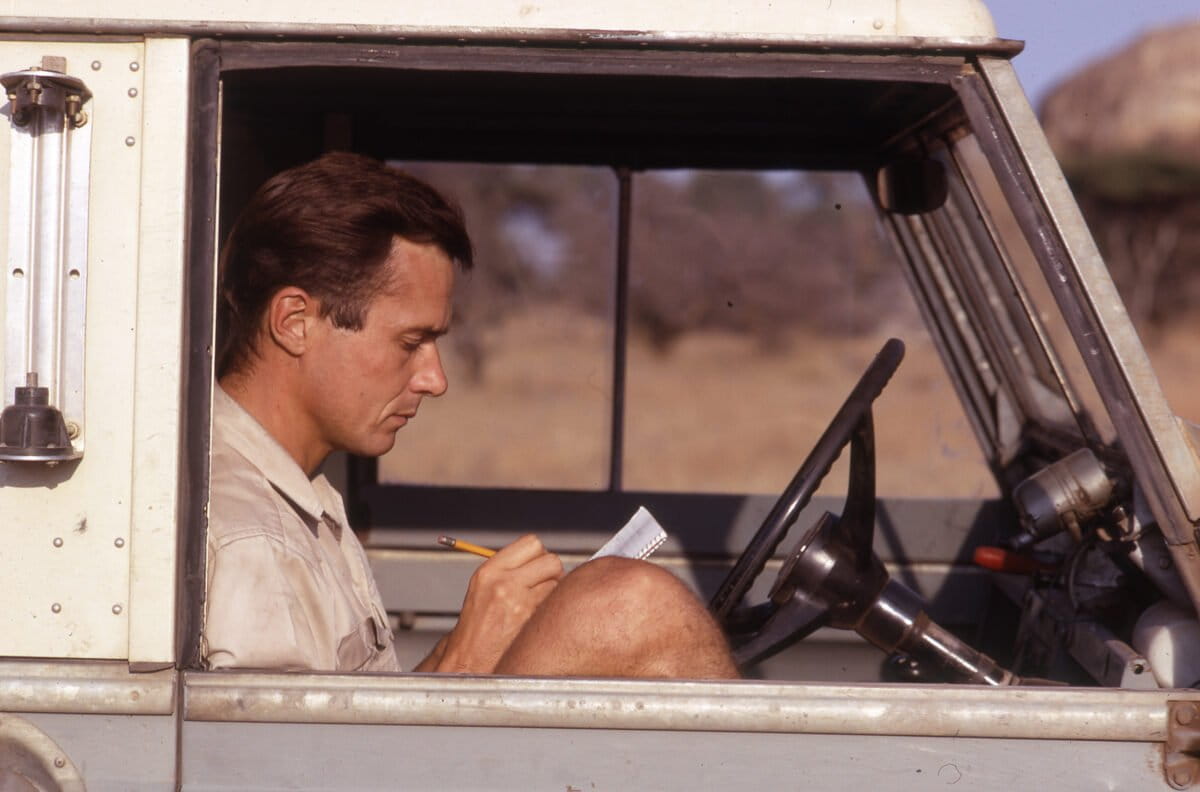
For decades, George Schaller watched lions sleep, sat quietly with mountain gorillas, and tracked elusive snow leopards across remote mountains. His patience changed how scientists study wildlife forever.
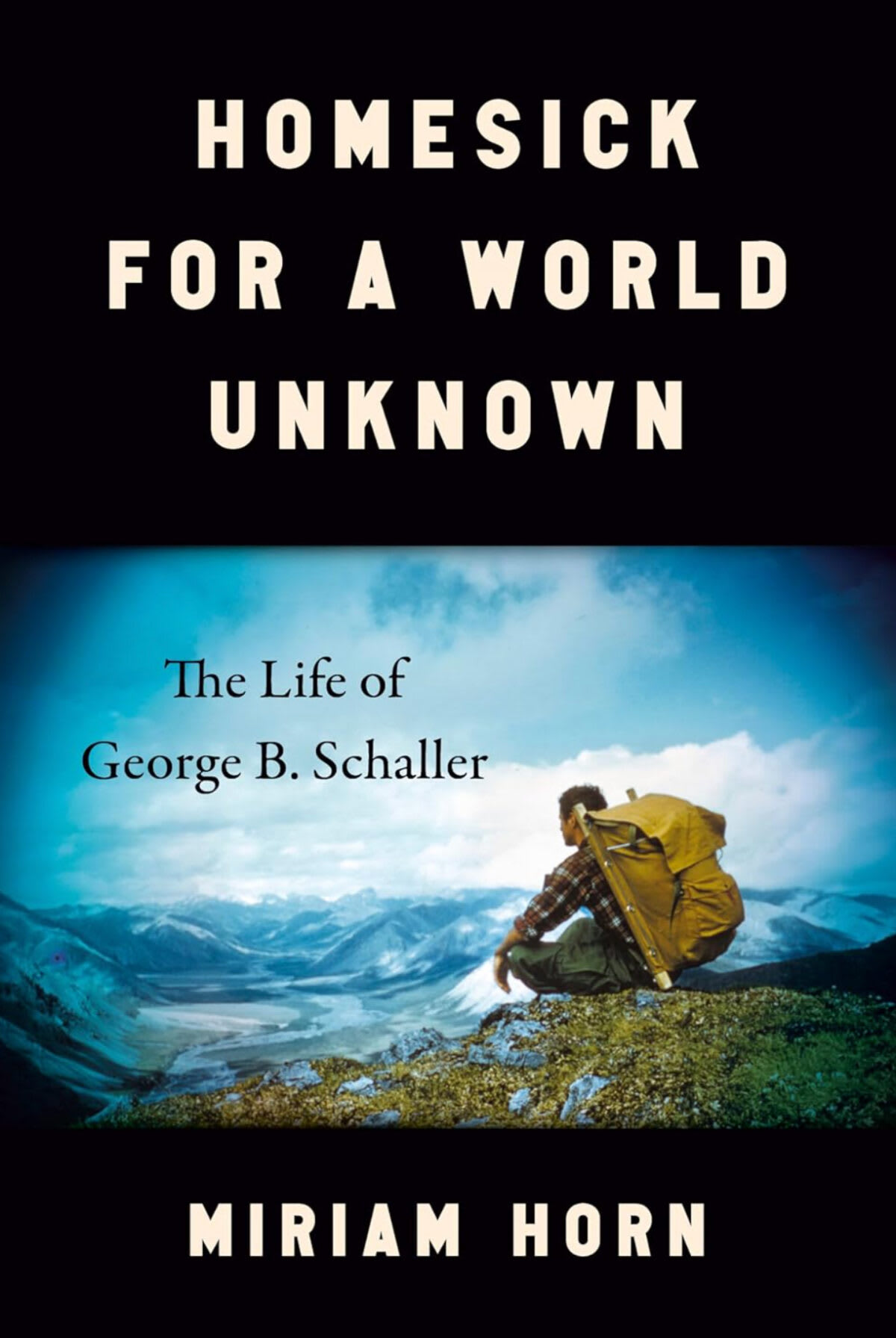
Author Miriam Horn has written the first full biography of Schaller, titled "Homesick for a World Unknown." The book captures the life of a man who spent his career looking outward at animals rather than talking about himself.
Schaller pioneered a revolutionary approach to studying wildlife. Instead of collecting specimens or watching animals in captivity, he simply observed them in their natural homes for months or years at a time. He was among the first scientists to study mountain gorillas unarmed, choosing to wait patiently until they accepted his presence.
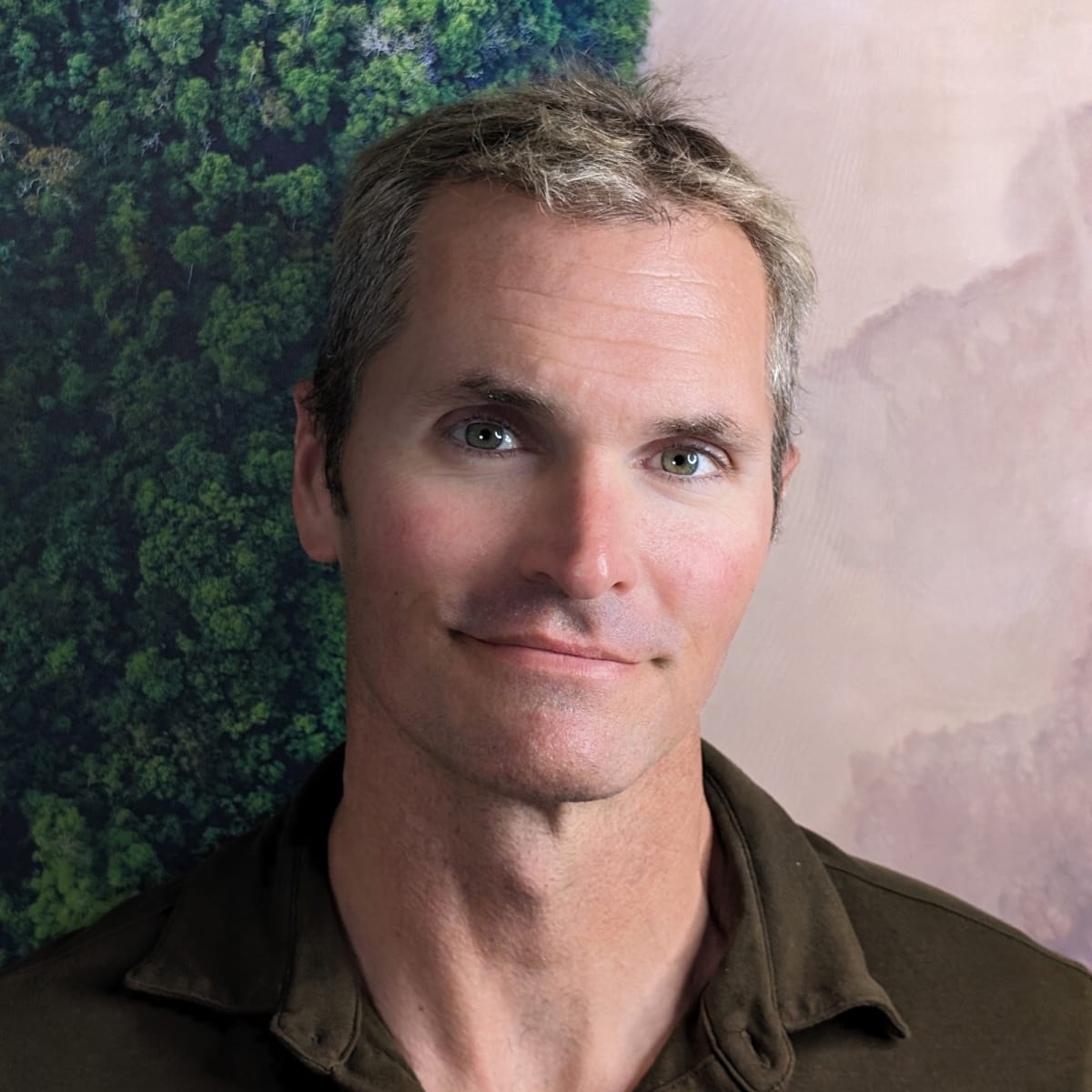
Horn faced an unusual challenge writing about someone who avoided the spotlight. She drew from Schaller's field journals, letters, and archives to piece together his story. Her own background working with the Environmental Defense Fund and US Forest Service gave her insight into how conservation actually works on the ground.
The book traces Schaller's work across continents, from African plains to Asian mountains. But it focuses less on his achievements and more on how he produced knowledge under challenging field conditions. Watching lions presented an unexpected difficulty: they spend most of their time doing absolutely nothing.
The Ripple Effect
Schaller's influence extended far beyond science. Over time, he came to recognize that local communities play a crucial role in protecting wildlife. His gradual shift in thinking helped shape modern conservation approaches that include people as partners rather than obstacles.
The biography arrives at a meaningful moment. Schaller's career spanned a pivotal period when zoology shifted from specimen collection to sustained observation in the wild. His consistency and scale of work set him apart, even as he remained part of a broader movement.
Horn's experience as a seasonal Forest Service employee taught her valuable lessons about how humans fit into ecosystems. She met working journalists during those years, which eventually led her to writing. Her previous book profiled ranchers and farmers working to be good neighbors to wildlife on their land.
The biography doesn't settle on a single model of conservation. Instead, it follows a series of adjustments shaped by experience across different landscapes and cultures.
Schaller agreed to a biography only late in life, partly because Horn understood conservation from the inside. Her practical experience helped her ask the right questions and understand the realities of field work.
The book shows how one person's dedication to simply watching and understanding animals helped transform an entire field of science. Schaller's legacy lives on in wild places around the world where his approach to patient observation continues to guide new generations of scientists.
More Images
Based on reporting by Mongabay
This story was written by BrightWire based on verified news reports.
Spread the positivity!
Share this good news with someone who needs it