New Biomarkers Detect Pancreatic Cancer Years Earlier
Scientists at Indiana University have discovered biological warning signals that could catch pancreatic cancer before it becomes deadly. For a disease where 80% of patients are diagnosed too late, these breakthroughs offer real hope for saving lives.
Scientists have just taken a major step forward in the fight against one of the deadliest cancers, finding new ways to spot pancreatic cancer when it's still curable.
Dr. Jianjun Zhang and his team at Indiana University's Fairbanks School of Public Health identified three breakthrough biomarkers that act like early warning lights for pancreatic cancer. With only 13% of patients surviving five years after diagnosis, catching this disease early changes everything.
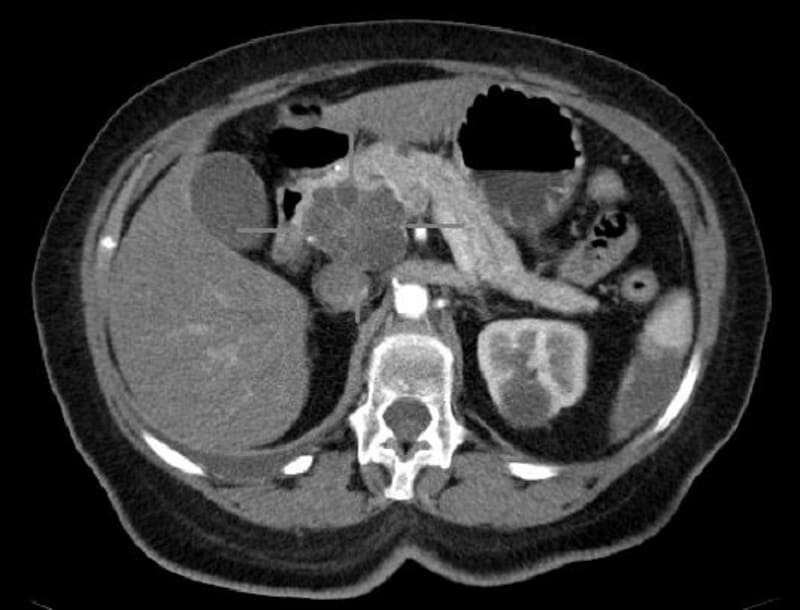
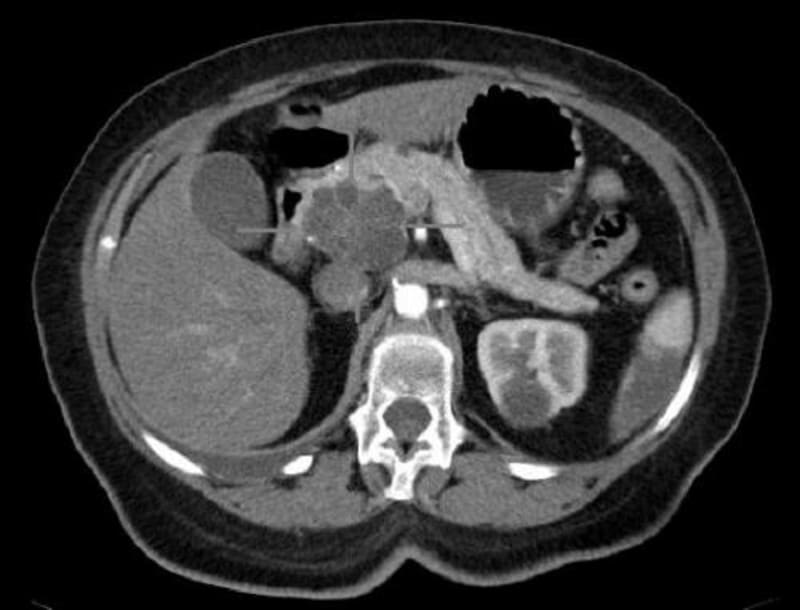
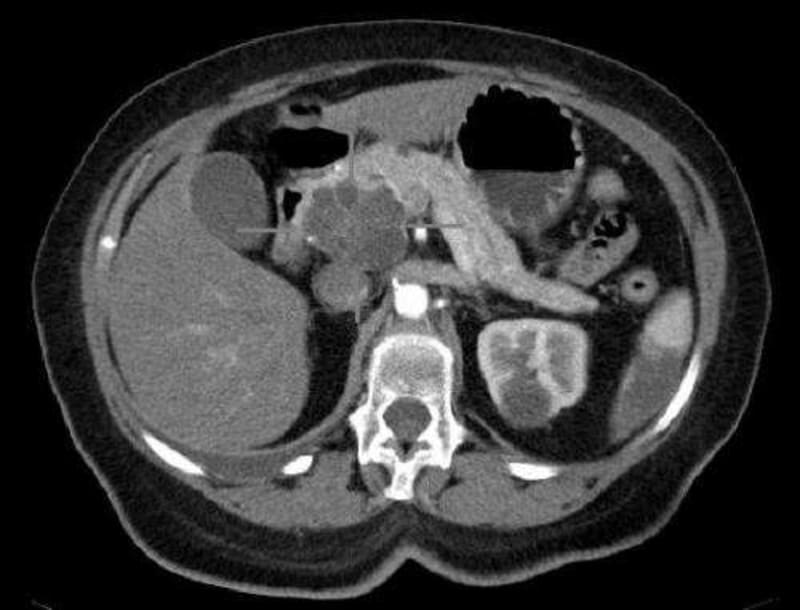
The research team made their first discovery in pancreatic cysts, small fluid-filled sacs that doctors already monitor. They found specific proteins in the cyst fluid that predict which cysts will turn cancerous. This gives doctors a roadmap for who needs aggressive treatment and who can simply be watched carefully.
The second breakthrough involves sulfatides, special fat and sugar molecules that become hyperactive at the very beginning of cancer development. These metabolic changes appear years before symptoms show up, creating a detectable signal when the disease is still in its earliest stages.
The third discovery might be the most immediately useful. Rather than throwing out the existing CA19-9 blood test for being inaccurate, the researchers figured out how to make it work better. By tracking repeated measurements over time instead of relying on a single test, they dramatically improved its ability to find hidden cancers early.
The Bright Side
These discoveries don't just advance scientific knowledge. They're already laying the groundwork for practical screening tools that doctors could use in regular checkups.
The research represents collaboration between Indiana University and the University of Texas MD Anderson Cancer Center, with findings published across three prestigious medical journals in early 2025. The team includes Dr. C. Max Schmidt from IU School of Medicine and Drs. Johannes Fahrmann and Samir Hanash from MD Anderson.
For the thousands of families facing pancreatic cancer each year, these biomarkers represent something precious: time. Time to treat the cancer before it spreads, time to pursue a cure, and time to spend with loved ones.
Why This Inspires
Current pancreatic cancer screening is almost nonexistent because doctors haven't had reliable early detection methods. These biomarkers change that calculation entirely, moving us toward a future where routine screening could become standard practice.
The research is particularly exciting because it uses multiple approaches, like building a safety net with several layers. If one biomarker misses something, another might catch it.
Zhang's team isn't stopping here. They're already working on developing noninvasive screening tools based on these discoveries, tests that could be as routine as mammograms or colonoscopies.
For a disease as aggressive as pancreatic cancer, finding it early truly is the difference between life and death, and these scientists just gave us three new ways to do exactly that.
More Images
Based on reporting by Medical Xpress
This story was written by BrightWire based on verified news reports.
Spread the positivity!
Share this good news with someone who needs it