New Biosensor Tracks Iron in Living Cells in Real Time
Scientists created a groundbreaking tool that watches iron move through living cells as it happens, opening doors to better disease research and treatment. The computer-designed biosensor could revolutionize how we study everything from infections to iron-related medical conditions.
Scientists just gave researchers a superpower they've desperately needed: the ability to watch iron move through living cells in real time.
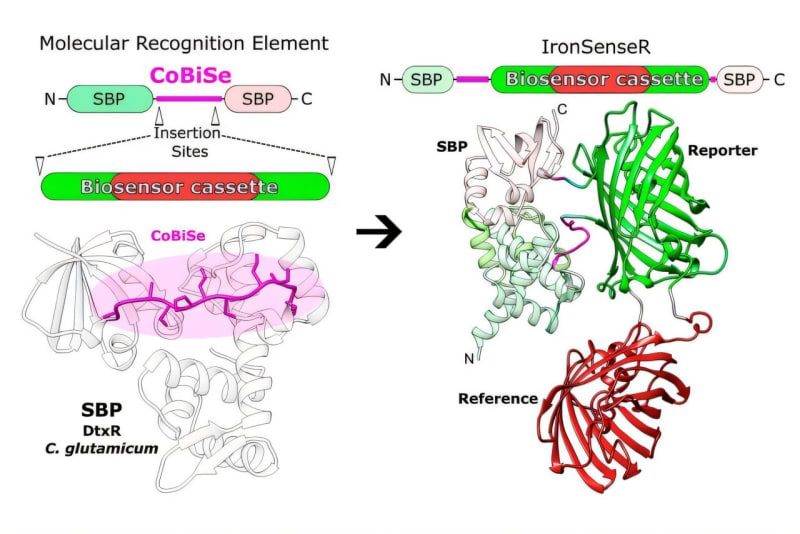
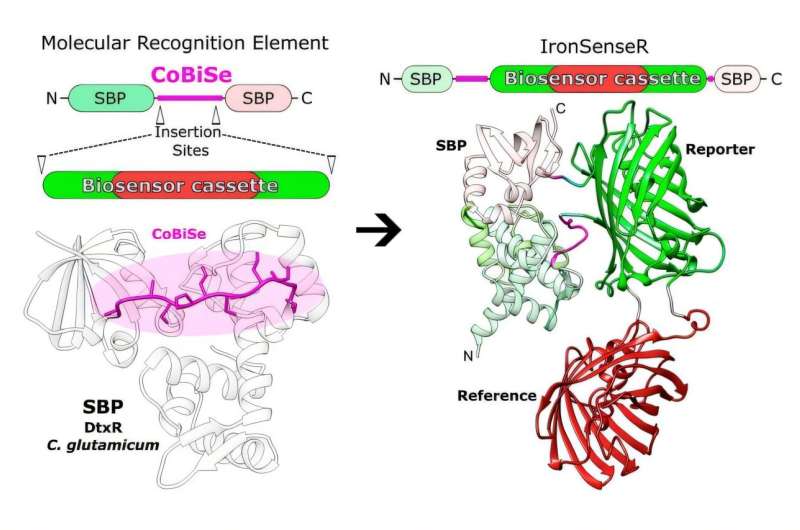
A team at Heinrich-Heine University in Germany developed IronSenseR, a tiny biosensor that tracks iron with pinpoint accuracy inside living bacteria. For the first time, researchers can see exactly how cells handle this crucial nutrient as it happens, not just take snapshots after the fact.
Iron might seem simple, but it's vital for everything from breathing to fighting infections. Cells need just the right amount in just the right form. Too little causes anemia. Too much triggers toxic reactions. Understanding how cells manage iron could unlock treatments for dozens of conditions.
The breakthrough came from a new computer method called CoBiSe that designs biosensors faster and cheaper than ever before. Traditional biosensor development requires months of trial and error in the lab. CoBiSe uses computational modeling to predict the best design upfront, cutting weeks or months from the process.
The biosensor works by lighting up when it detects iron (II), a specific form of the element that cells actively use. It ignores iron (III) and other metals completely, giving researchers crystal-clear data about what's actually happening inside cells.
The team successfully tested IronSenseR in three different types of bacteria, including E. coli. Watching iron move through these living cells revealed patterns scientists could only guess at before.
The Ripple Effect
This technology reaches far beyond one lab experiment. Medical researchers can now study iron-related diseases like anemia and hemochromatosis with unprecedented detail. Microbiologists can watch how bacteria respond to iron during infections, potentially leading to new antibiotic strategies.
The CoBiSe method itself might matter even more than this single biosensor. The same computer approach could rapidly create sensors for other metals, nutrients, or molecules that scientists want to track. Each new biosensor becomes a window into processes we've struggled to observe.
Professor Sander Smits, who led the research, notes this represents major progress in how scientists design biological tools. His colleague Dr. Christoph Gertzen points out that the precise measurements possible with IronSenseR enable entirely new lines of research into iron-related medical conditions.
The work appeared in the peer-reviewed journal ACS Sensors, marking it as thoroughly vetted science ready for other labs to build upon.
For patients dealing with iron disorders, this research offers genuine hope that better diagnostics and treatments are coming.
More Images

Based on reporting by Phys.org
This story was written by BrightWire based on verified news reports.
Spread the positivity!
Share this good news with someone who needs it