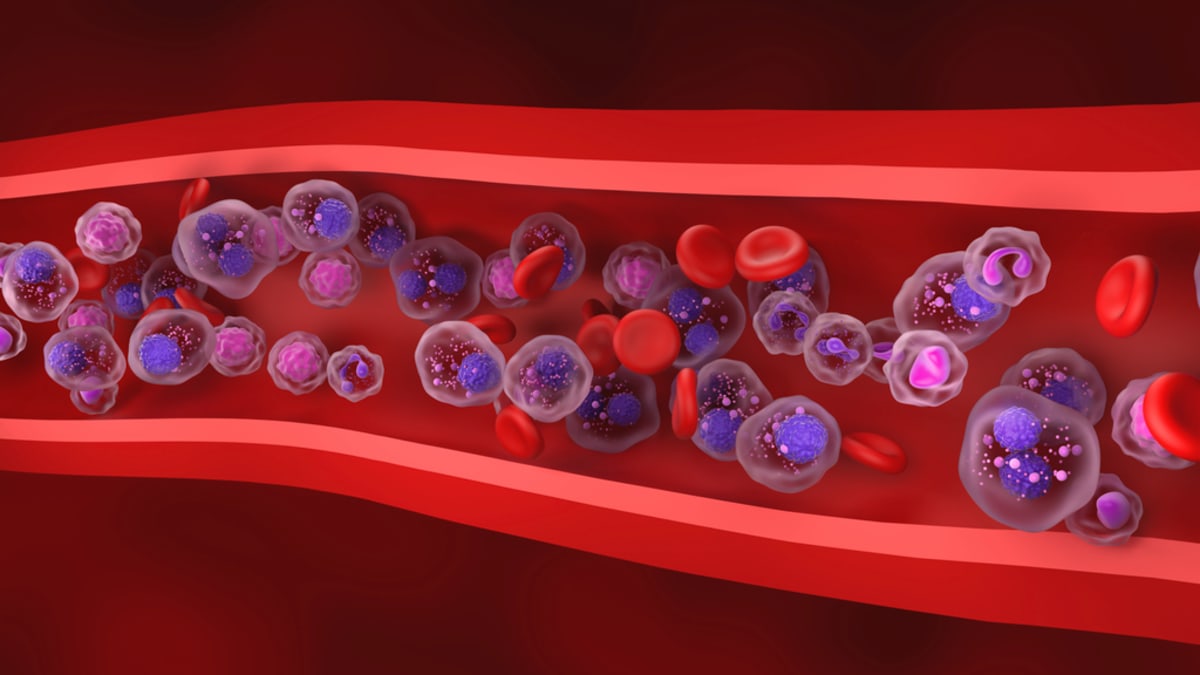
New Blood Cancer Drug Helps 44% of Relapsed Patients
An investigational therapy for multiple myeloma shrank tumors in over 40% of heavily pre-treated patients, offering hope through a completely new treatment pathway. Even better, patients get a break after one year instead of lifelong infusions.
A new therapy for multiple myeloma is giving patients real hope by targeting cancer cells in a way doctors have never tried before.
In a Phase I clinical trial, an investigational drug called cevostamab helped 44% of patients who had already been through an average of six other cancer treatments. Penn Medicine researchers found that patients' tumors shrank significantly, with responses lasting a median of 11.2 months.
What makes this breakthrough special is how the drug works. Cevostamab activates patients' own immune cells to hunt down and destroy myeloma cells by targeting a protein called FcRH5. It's the first therapy ever to use this target, giving doctors a completely new weapon against this blood cancer.
Dr. Adam Cohen, director of Myeloma Immunotherapy at Penn Medicine, led the research published in Nature Medicine. The trial enrolled 324 patients across 17 cancer centers in the United States, Canada, Spain, and Australia between 2017 and 2023.
For patients who hadn't yet tried other newer therapies targeting a protein called BCMA, the results were even more encouraging. Their response rate jumped to 61%, with benefits lasting nearly 20 months.
The Bright Side
Multiple myeloma isn't usually curable, but it's become increasingly treatable as researchers develop new options. The disease typically follows a pattern where patients receive treatment, experience remission, then eventually relapse and need a different therapy.
The problem? Once cancer stops responding to a specific treatment target, other drugs using that same target often won't work either. Having FcRH5 as a completely different target means doctors now have fresh options for patients who've run out of roads.
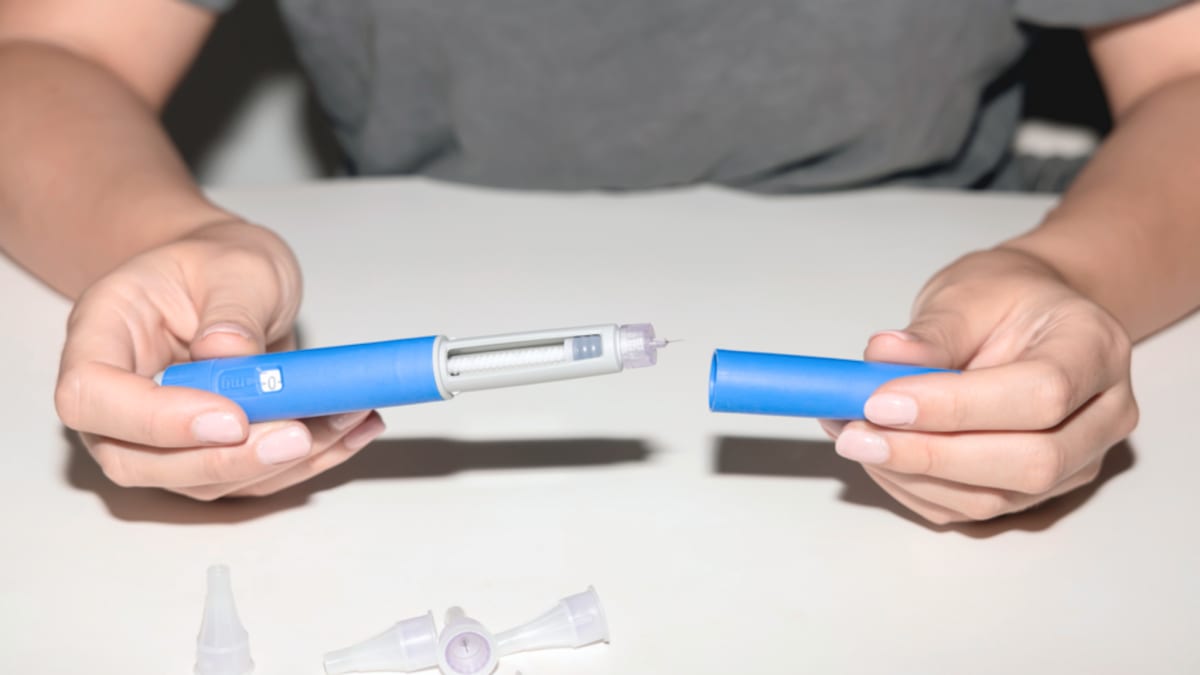
The study also broke new ground in how long patients receive treatment. Instead of indefinite infusions like most similar therapies require, cevostamab patients received just 17 infusions over one year. Then they got a break from treatment, giving them precious time to focus on living instead of managing medication schedules.
Side effects were generally manageable, and the drug didn't cause some of the more troublesome problems seen with other myeloma therapies, like altered taste or severe appetite loss. Serious infections appeared less common than with similar treatments.
Research is already moving forward. Cohen is leading a Phase 2 study combining cevostamab with CAR T cell therapy, and a global Phase 3 trial testing the drug in combination with other myeloma treatments is expected to begin enrolling patients this year.
For the thousands of people living with multiple myeloma who need that next treatment option, this new target could mean more time in remission and more moments with loved ones.
More Images

Based on reporting by Google News - New Treatment
This story was written by BrightWire based on verified news reports.
Spread the positivity!
Share this good news with someone who needs it