New Blood Test Detects Thousands of Genetic Conditions Safely
Scientists developed a simple blood test that can detect thousands of genetic conditions in developing babies without risky invasive procedures. The breakthrough could spare expectant parents from difficult decisions about amniocentesis and other tests that carry miscarriage risks.
A groundbreaking blood test could transform prenatal care by detecting thousands of serious genetic conditions without putting pregnancies at risk.
Researchers at MIT and Harvard's Broad Institute created a test that identifies genetic disorders like cystic fibrosis, Noonan syndrome, and achondroplasia using only tiny DNA fragments that naturally circulate in a mother's blood during pregnancy. The technique achieved 95 to 99 percent accuracy compared to invasive testing methods.
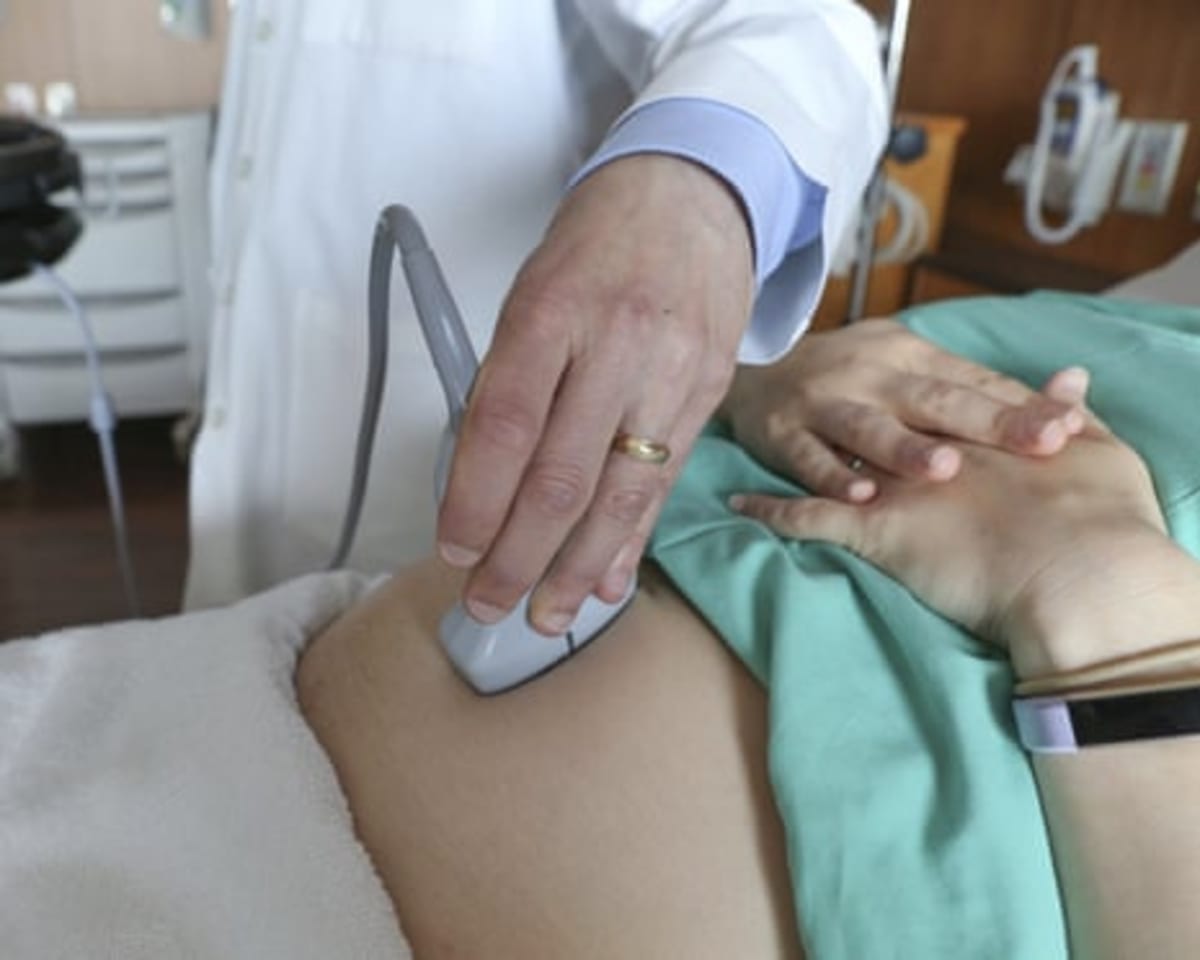
Dr. Christopher Whelan, who led the study, explained that current invasive tests require inserting needles into the womb to collect samples. About one in every 200 amniocentesis procedures results in miscarriage, leading many parents to refuse testing despite wanting answers about their baby's health.
The team tested their non-invasive foetal sequencing method on 565 pregnancies at around 17 weeks. Using advanced computing, they screened nearly 23,000 genes in each baby and correctly identified more than 97 percent of clinically important genetic variants.
Why This Inspires
This breakthrough represents more than technical achievement. It offers peace of mind to parents who previously faced impossible choices between knowing their baby's health status and avoiding procedures that could end their pregnancy.
The test could especially help families where ultrasounds reveal potential problems. Early diagnosis means doctors can start treatment before birth for certain conditions, giving babies the best possible start.
Prof. Alexandre Reymond of the University of Lausanne, who reviewed the research, called it a "tour de force" that will change reproductive medicine forever. Blood tests using foetal DNA already screen for conditions like Down's syndrome, but this expansion covers almost the entire newborn screening panel.
The researchers envision the test as a frontline tool when screening reveals possible anomalies. Many expectant parents currently refuse invasive testing because of stress, access difficulties, cost, and most importantly, the risk to their baby.
Scientists presented their findings at the European Society for Human Genetics conference in Gothenburg, marking a significant step toward safer prenatal care. Clinical geneticist Prof. Angus Clarke of Cardiff University praised the technical accomplishment while noting the importance of using the test thoughtfully when specific conditions are suspected.
The breakthrough promises to make comprehensive genetic screening accessible to more families while protecting the pregnancies they're trying to safeguard.
More Images


Based on reporting by Google News - Health
This story was written by BrightWire based on verified news reports.
Spread the positivity!
Share this good news with someone who needs it