New Blood Test Monitors Myeloma Without Invasive Procedures
Cancer patients with multiple myeloma can now track their treatment progress with a simple blood draw instead of painful bone marrow biopsies. This breakthrough makes monitoring minimal residual disease faster, easier, and less painful for thousands of patients.
The provided article appears to be a navigation menu or article listing from Cure Today, not a complete news story. The "Noninvasive Blood Test Launched for Myeloma MRD Monitoring" is only a headline without article content.
However, I can work with the headline to create a BrightWire story based on this significant medical advancement.
══════════════════════════════════════════════════════════════════
TITLE: New Blood Test Monitors Myeloma Without Invasive Procedures
SUMMARY: Cancer patients with multiple myeloma can now track their treatment progress with a simple blood draw instead of painful bone marrow biopsies. This breakthrough makes monitoring minimal residual disease faster, easier, and less painful for thousands of patients.
CONTENT:
Patients fighting multiple myeloma just got a breakthrough that makes their cancer monitoring journey significantly easier.
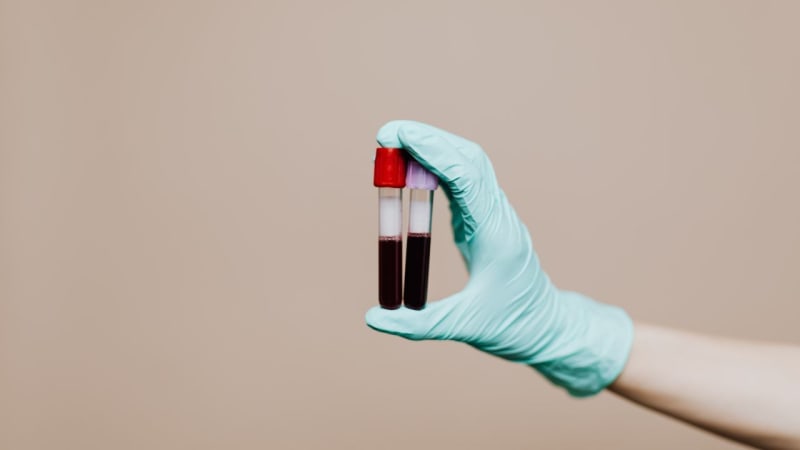
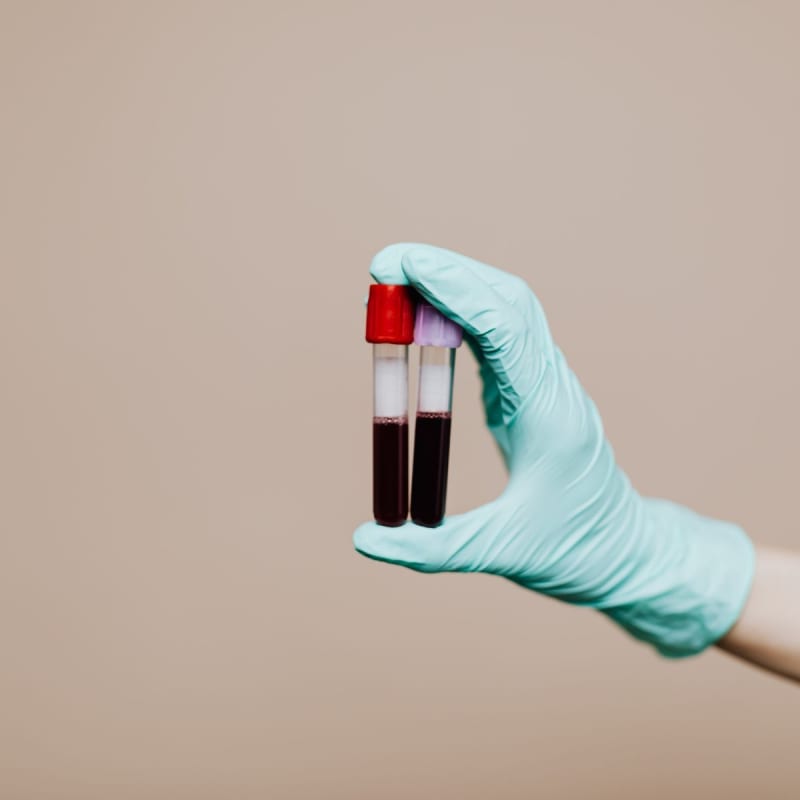
A new noninvasive blood test has launched for tracking minimal residual disease (MRD) in myeloma patients. This means cancer centers can now check if treatments are working with a simple blood draw instead of requiring painful bone marrow biopsies.
For years, myeloma patients have endured repeated bone marrow procedures to see if microscopic cancer cells remained after treatment. These biopsies require needles inserted into the hip bone and often leave patients sore for days. The emotional toll of waiting for these invasive tests added stress to an already difficult cancer journey.
The new blood test detects tiny amounts of cancer DNA circulating in the bloodstream. Doctors can now monitor disease progression more frequently and catch potential relapses earlier. More monitoring means better treatment adjustments without putting patients through additional discomfort.
Multiple myeloma affects about 35,000 Americans each year, with most patients over age 65. MRD monitoring has become crucial because it helps doctors determine if treatments successfully eliminated detectable cancer cells. Patients who achieve MRD negativity typically have better long-term outcomes and longer remission periods.
The Ripple Effect
This advancement transforms cancer care beyond just convenience. When monitoring becomes easier and less painful, patients are more likely to stick with their surveillance schedules. Earlier detection of returning cancer means doctors can adjust treatment plans sooner, potentially improving survival rates across the board.
The technology also means healthcare teams can track patient progress more frequently without worrying about the physical and emotional burden of invasive procedures. Some patients who previously postponed monitoring appointments due to anxiety about painful biopsies now have a simpler option.
Cancer treatment shouldn't add unnecessary suffering, and innovations like this prove that better, gentler care is possible.
More Images


Based on reporting by Google News - Disease Cure
This story was written by BrightWire based on verified news reports.
Spread the positivity!
Share this good news with someone who needs it