New Brain Discovery Could Help 40% Lower Blood Pressure
Scientists discovered a tiny brain region that drives high blood pressure in people who don't respond to medication. Better yet, they've already found a promising way to treat it.
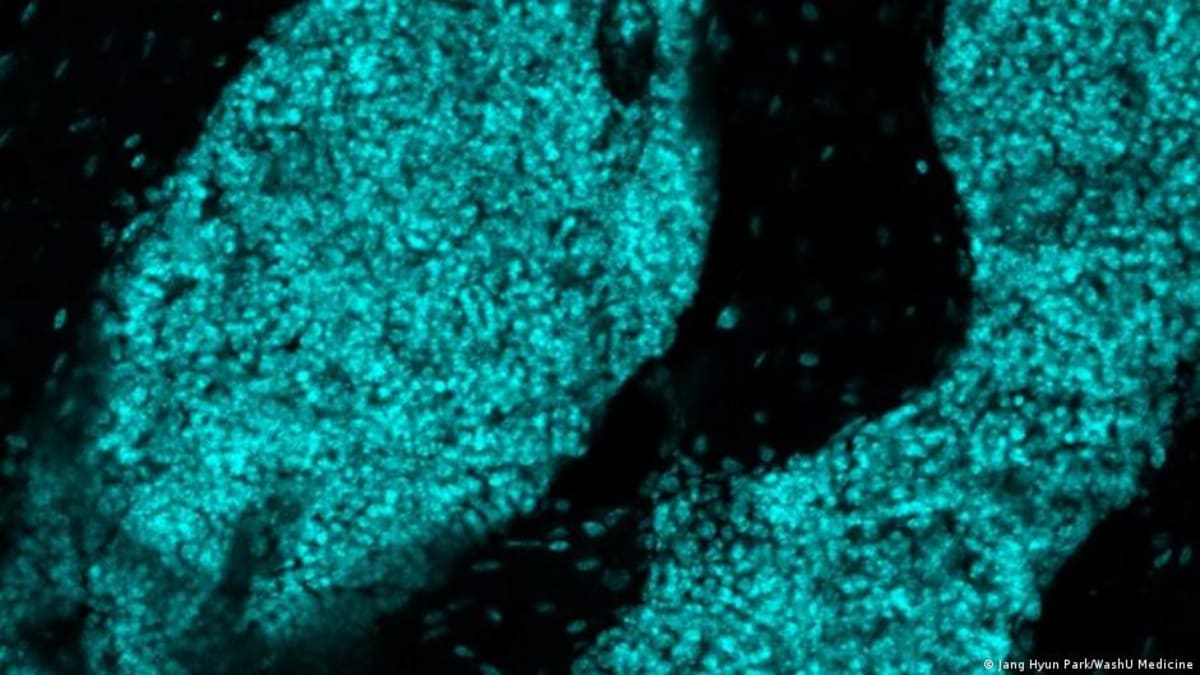
Millions of people take blood pressure medication every day, yet nearly half still can't get their numbers under control. Now researchers from Brazil and New Zealand think they know why, and the answer lives in a pea-sized region of the brain most of us have never heard of.
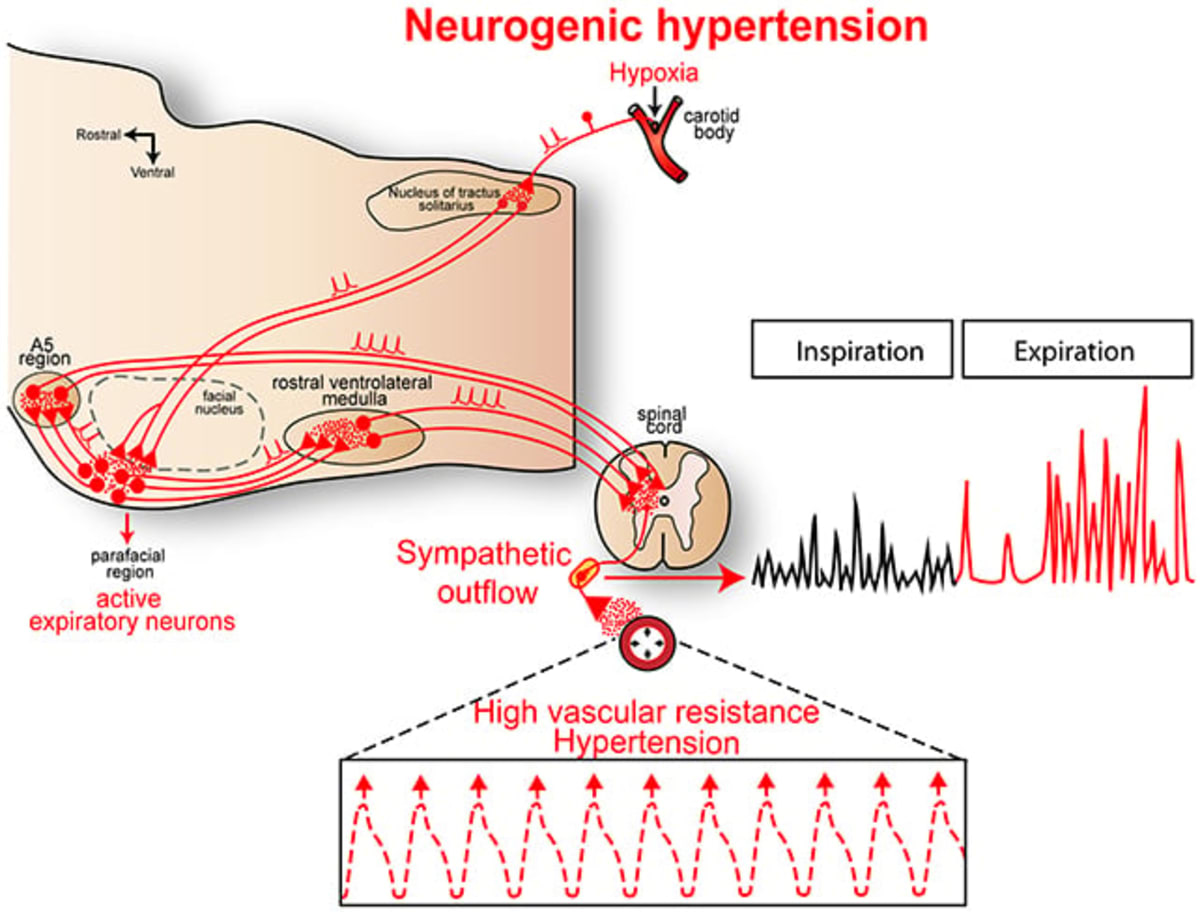
The lateral parafacial region, or pFL, normally helps control those big deliberate breaths we take during exercise or when we laugh. But scientists just discovered it does something else too: it tightens blood vessels.
In rats with high blood pressure, this brain region was working overtime. It wasn't just managing breathing anymore. It was actively constricting blood vessels and driving up blood pressure through the nervous system's fight-or-flight response.
Here's where it gets exciting. When researchers turned off the pFL neurons in hypertensive rats, blood pressure dropped back to normal levels. The discovery opens a door that's been locked for decades.
The finding also explains a medical mystery that's puzzled doctors for years. People with sleep apnea, who struggle to breathe at night, face much higher risks of hypertension. The pFL region fires up in response to low oxygen, the exact condition that happens during sleep apnea episodes.
Around a third of people worldwide deal with high blood pressure. For many, current medications simply don't work well enough. This matters because uncontrolled hypertension dramatically increases the risk of heart disease, stroke, and dementia.
The Bright Side
The research team didn't stop at identifying the problem. They're already testing a solution that doesn't require brain surgery or drugs that penetrate the brain barrier.
Instead, they're targeting carotid bodies, tiny sensor clusters in the neck that influence the pFL region from outside the brain. Physiologist Julian Paton says his team is importing a repurposed drug to safely quiet these sensors and calm the overactive brain region remotely.
The approach needs extensive testing before it reaches patients. But for the first time, people whose blood pressure won't respond to traditional medication might have real hope for a targeted treatment that addresses the root cause instead of just the symptoms.
After decades of treating hypertension the same way, science just opened a new pathway forward.
More Images

Based on reporting by Google News - Health
This story was written by BrightWire based on verified news reports.
Spread the positivity!
Share this good news with someone who needs it