New Brain Gene Therapy Bypasses Blood-Brain Barrier
Scientists at University of Rochester developed a gene therapy that uses the brain's natural cleaning system to deliver treatments throughout the brain, avoiding one of medicine's toughest obstacles. The breakthrough could transform treatment for multiple sclerosis, Huntington's disease, and rare childhood brain disorders.
📺 Watch the full story above
Scientists just solved one of the biggest puzzles in brain medicine by turning the brain's own plumbing system into a delivery route for lifesaving treatments.
Researchers at University of Rochester Medicine created a gene therapy platform that uses the glymphatic system, the brain's natural waste-clearing network, to transport therapeutic genes directly where they're needed. The approach sidesteps the blood-brain barrier, a protective shield that blocks most medications from reaching the brain.
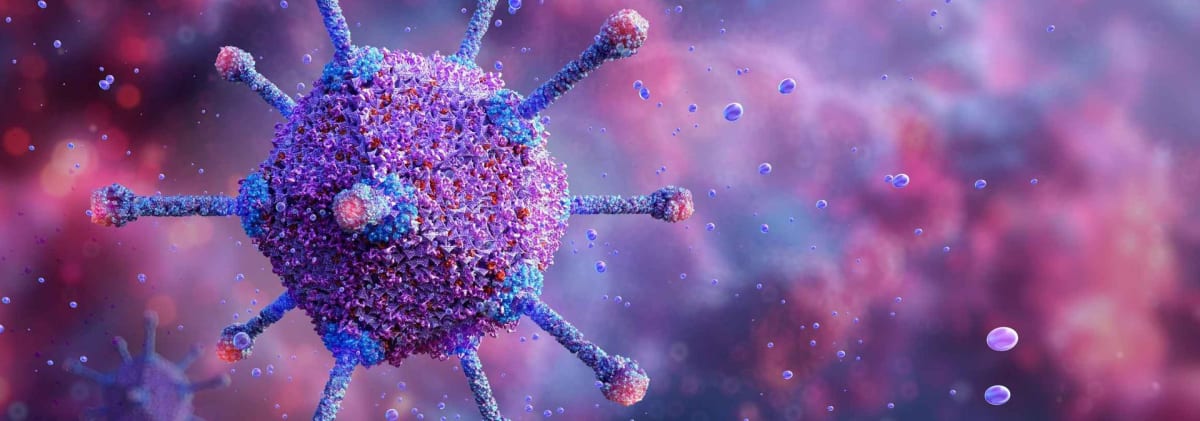
Dr. Steve Goldman and his team engineered special viral vehicles that carry corrective genes throughout the brain while targeting glial cells, the support cells that maintain brain function and produce myelin. These cells play crucial roles in diseases like multiple sclerosis and Huntington's disease, but have been notoriously difficult to reach with treatments.
The breakthrough combines two innovations. First, the team modified viruses to specifically target human glial cells by testing hundreds of variations in mice with transplanted human brain cells. Second, they delivered these modified viruses through the cisterna magna, a fluid-filled space at the brain's base that connects to the glymphatic pathways.
The results surprised even the researchers. The therapy spread broadly throughout the brain while barely touching other organs like the liver, where gene therapies often cause toxic side effects. Traditional gene therapies delivered through the bloodstream face the opposite problem, exposing the whole body to treatment while struggling to reach the brain.
Dr. Maiken Nedergaard, who first discovered the glymphatic system, collaborated on the delivery strategy. Her earlier work showed how cerebrospinal fluid flows through brain tissue to clear metabolic waste during sleep. The new study proves these same pathways can distribute medicine.
The Bright Side
The platform offers immediate hope for children with rare lysosomal storage diseases and other inherited disorders where glial cells lack critical enzymes. These conditions cause severe neurological damage, and current treatments can't reach enough brain tissue to make a difference.
Goldman's team has spent decades studying glial cells, once dismissed as mere support structures. Their work revealed that glial dysfunction drives many brain diseases previously blamed entirely on neurons. In Huntington's disease, they found that healthy glial cells could replace diseased ones and slow progression.
The therapy targets white matter diseases especially well because oligodendrocytes, the cells that produce myelin insulation around nerve fibers, are a type of glial cell. Damage to white matter appears in multiple sclerosis, certain childhood disorders, and age-related cognitive decline.
The research team is now working toward clinical trials. They're focusing first on pediatric diseases with clear genetic targets, where delivering a single corrective gene could prevent years of deterioration.
The platform could eventually extend beyond genetic diseases to other neurological conditions where glial cells play a role, potentially opening new treatment pathways for millions of patients worldwide.
More Images

Based on reporting by Google News - New Treatment
This story was written by BrightWire based on verified news reports.
Spread the positivity!
Share this good news with someone who needs it