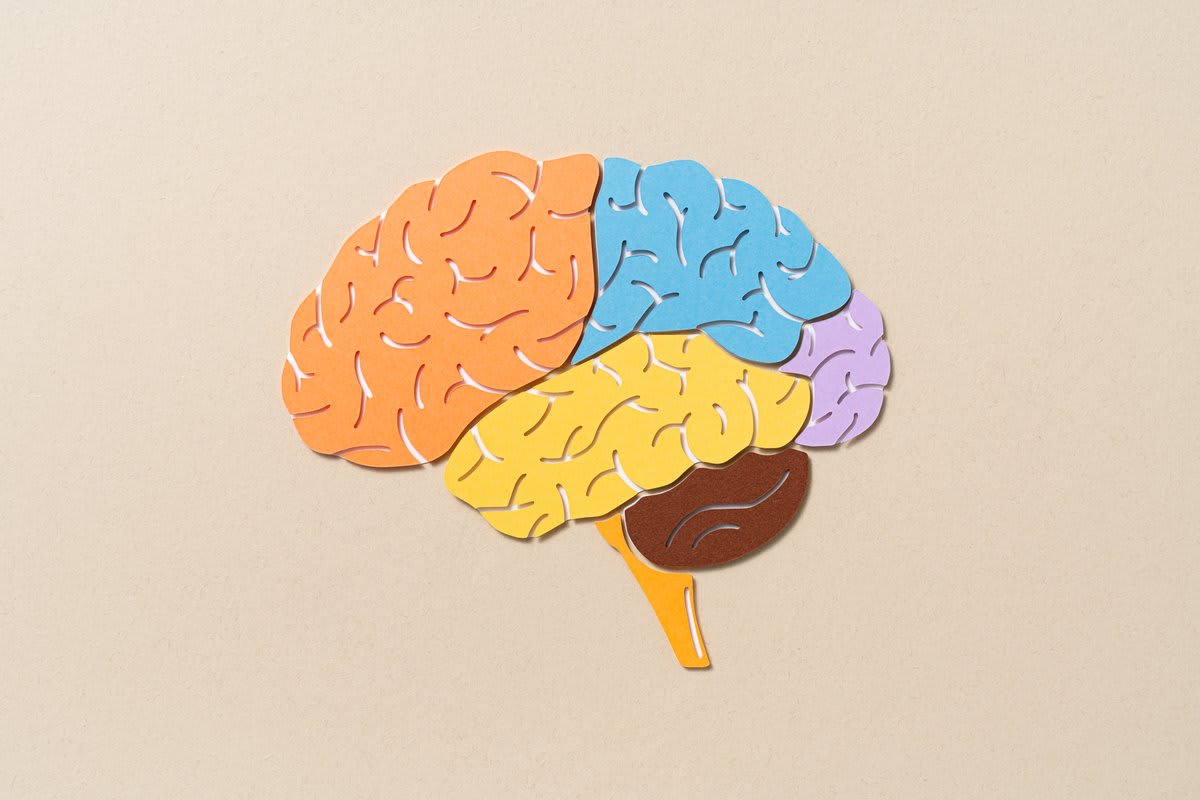
New Brain-Inspired Chip Cuts AI Energy Use by 70%
Scientists at Cambridge University created a chip that mimics the human brain's energy efficiency, slashing AI power consumption by 70%. The breakthrough could transform how artificial intelligence operates worldwide.
Imagine if AI systems could learn and think while using less power than a nightlight. Scientists just made that future possible.
Researchers at the University of Cambridge developed a revolutionary chip inspired by the human brain's remarkable efficiency. While replicating brain capabilities would theoretically require thousands of powerful NVIDIA chips consuming megawatts of electricity, our brains accomplish similar feats on just 20 watts. This new device brings AI hardware much closer to that natural efficiency.
The secret lies in something called a memristor, a tiny component that stores and processes information in the same place, just like brain synapses do. Traditional computers waste enormous amounts of energy shuffling data back and forth between separate memory and processing units. This new approach eliminates that wasteful commute.
What makes this memristor different from previous attempts is how it operates. Instead of forming random conductive pathways that behave unpredictably, the Cambridge team engineered a hafnium-oxide material that switches states through controlled electronic changes. Think of it like a dimmer switch instead of a flickering light bulb.
The energy savings are staggering. The device uses roughly a million times less current than conventional memristors, operating in the femtojoule-to-picojoule energy range. Dr. Babak Bakhit, lead author of the study published in Science Advances, explains that eliminating random behavior was key to the breakthrough.
The chip also mimics how biological brains actually learn. Rather than simple on-off states, it demonstrated hundreds of stable conductance levels, allowing it to adapt and strengthen connections based on experience. The hardware successfully reproduced spike-timing-dependent plasticity, a learning mechanism where connection strength changes based on signal timing, just like in living neural networks.
Why This Inspires
This breakthrough addresses one of technology's most pressing challenges: AI's exploding energy appetite. As artificial intelligence becomes more integrated into daily life, finding sustainable ways to power it matters for our climate and our future. The fact that nature already solved this problem billions of years ago, and we're finally learning to copy the solution, shows the power of looking to biology for answers.
The technology still faces manufacturing hurdles, particularly high-temperature requirements that need lowering for commercial production. But the fundamental proof of concept is there.
Brain-inspired computing isn't just about saving energy; it's about reimagining what's possible when we work with nature instead of against it.
More Images


Based on reporting by New Atlas
This story was written by BrightWire based on verified news reports.
Spread the positivity!
Share this good news with someone who needs it