New Brain Scan Could Save Athletes From Lasting Damage
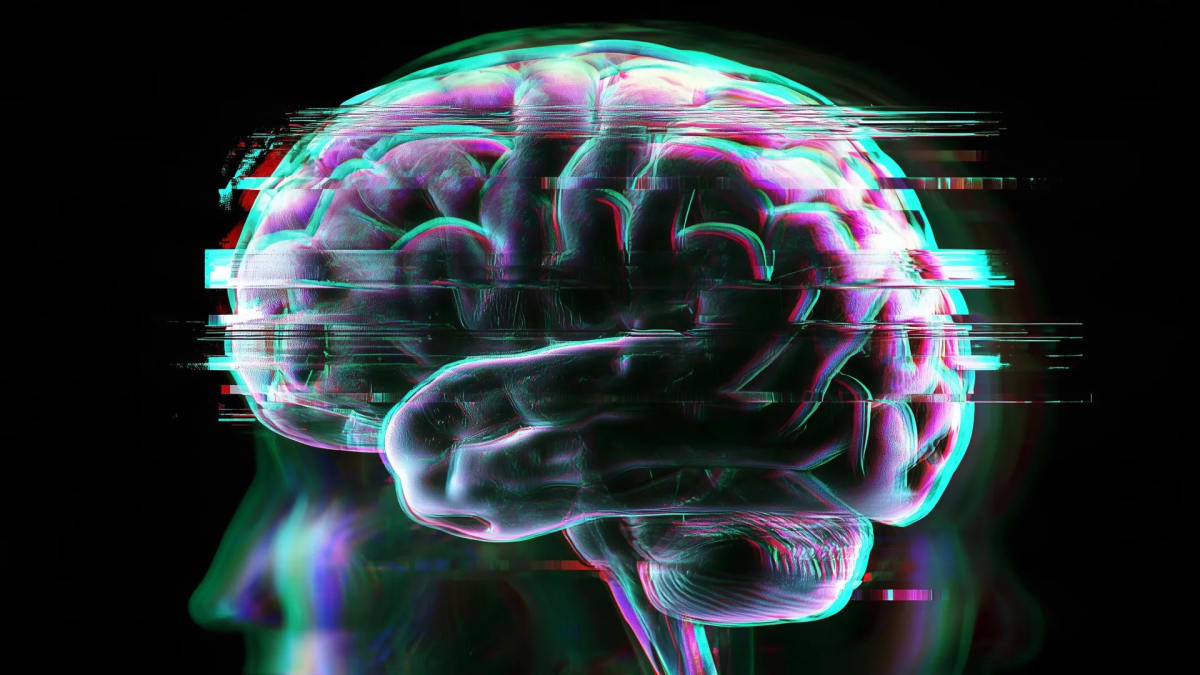
Scientists discovered a way to spot brain damage in living athletes, opening the door to treatments that could prevent a devastating condition affecting thousands of former contact sport players. The breakthrough could transform how we protect athletes before irreversible harm occurs.
Researchers just found a way to catch brain damage in retired athletes before it's too late, and it could change everything for players dealing with mysterious symptoms after their careers end.
A team at Trinity College Dublin scanned the brains of 47 former footballers, rugby players, and boxers. They discovered something remarkable: a simple MRI scan could show when the protective barrier around the brain starts breaking down.
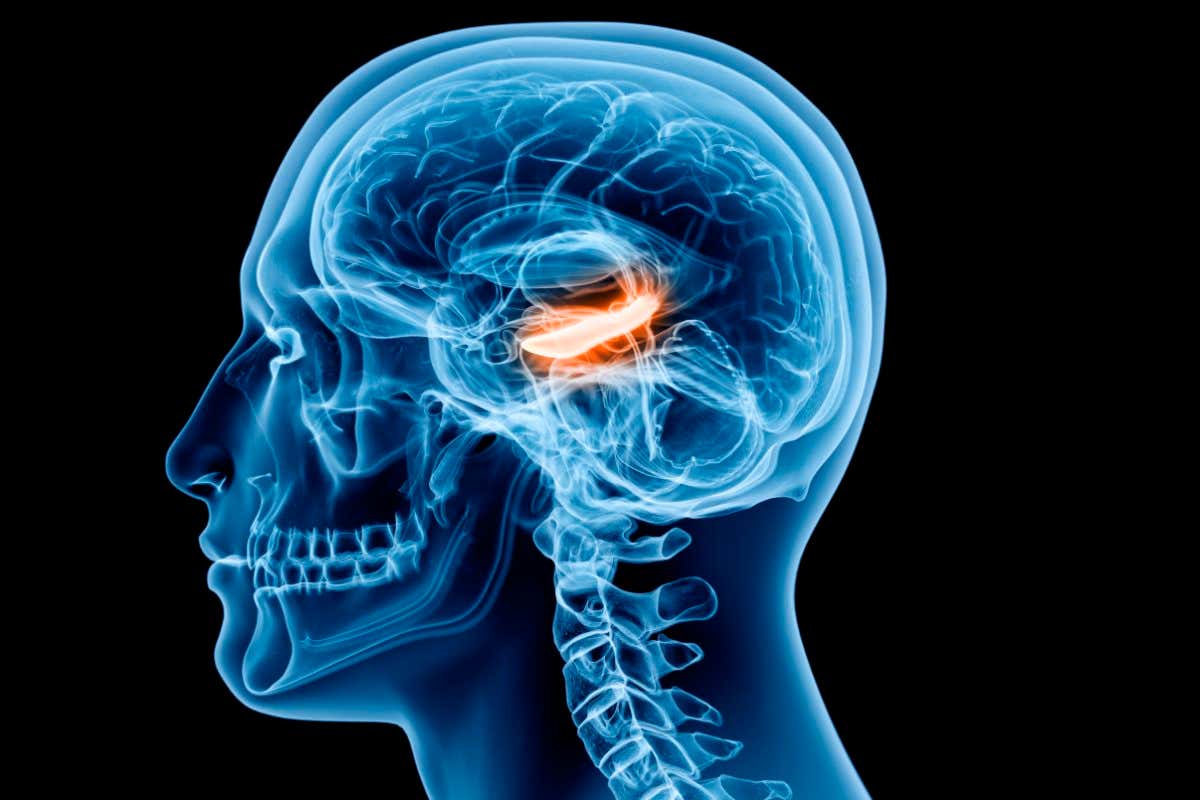
The blood-brain barrier acts like a security system, keeping harmful substances out of brain tissue. When athletes take repeated hits to the head, this barrier develops leaks. Seventeen of the retired contact sport athletes showed significant damage, while athletes from non-contact sports showed almost none.
Here's why this matters. When the barrier breaks down, proteins and inflammatory substances from blood leak into brain tissue and trigger a cascade of problems. This damage drives chronic traumatic encephalopathy (CTE), a condition causing memory loss, thinking problems, depression, and emotional instability.
Until now, doctors could only confirm CTE after someone died through brain autopsy. Living athletes experiencing symptoms had no way to know for certain what was happening inside their heads.
The athletes with more extensive barrier damage performed worse on cognitive and memory tests, suggesting researchers found an early warning sign. "We may be able to intervene earlier by protecting the vasculature before it becomes self-sustaining," says researcher Chris Greene.
The Bright Side
This discovery opens multiple paths forward. The MRI technique could help diagnose living patients showing symptoms, giving them answers and potentially tracking their condition over time.
Even better, existing drugs might help. Medications already in development for other neurological disorders could repair or strengthen the blood-brain barrier. Researchers are eyeing drugs like bevacizumab, which reduces blood vessel leakiness, and anti-inflammatory medications that could calm brain inflammation before permanent damage sets in.
The research team examined brains of people who died with CTE and found clear signs of immune cells and blood proteins infiltrating damaged areas, confirming their theory about how the condition develops.
Current and future athletes could benefit most. Instead of waiting until protein tangles entrench themselves in brain tissue, doctors might intervene early by protecting blood vessels and reducing inflammation. Young athletes showing early barrier damage could receive treatment before symptoms ever appear.
Matthew Campbell, who led the research, points out that many barrier-strengthening drugs are moving through development pipelines. "The future will be very bright if we can see the approval of some of these medications," he says.
For thousands of retired athletes living with mysterious cognitive symptoms, this research offers something they haven't had before: hope for answers and actual treatment.
More Images



Based on reporting by New Scientist
This story was written by BrightWire based on verified news reports.
Spread the positivity!
Share this good news with someone who needs it