New Brain Tech Helps Parkinson's Patients Walk Again
A South Florida man who couldn't walk without help is now dancing after a one-hour brain procedure gave him his life back. Three breakthrough technologies are transforming Parkinson's treatment across Miami, offering hope to nearly 1 million Americans living with the disease.
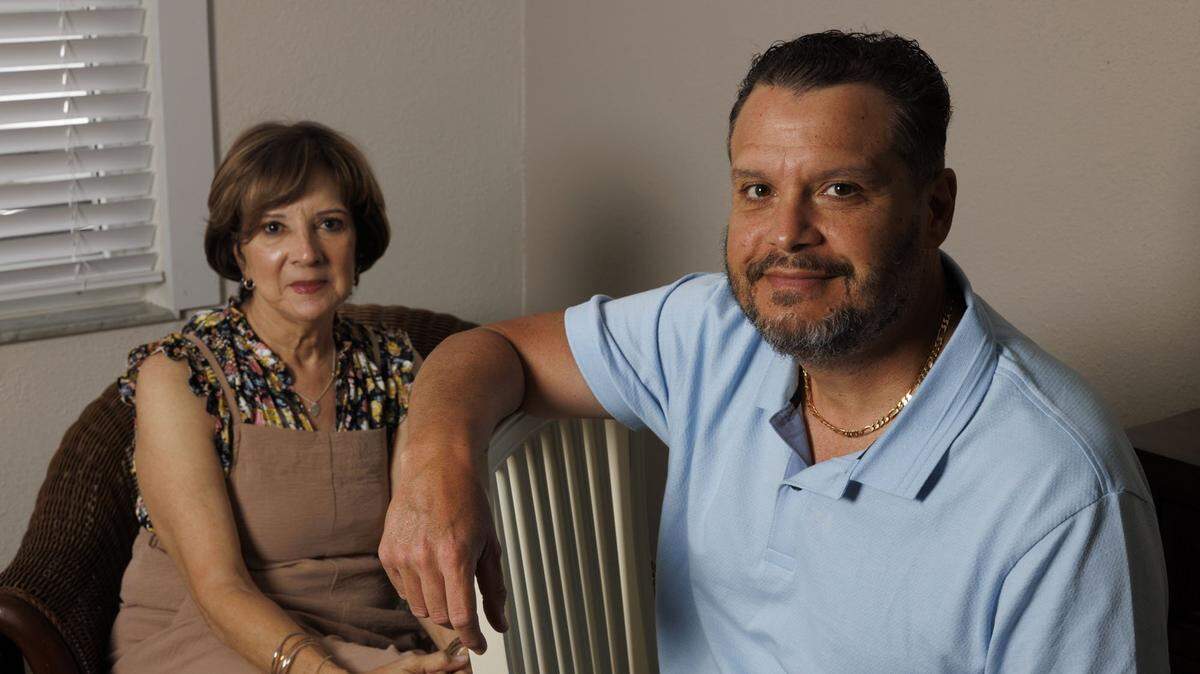
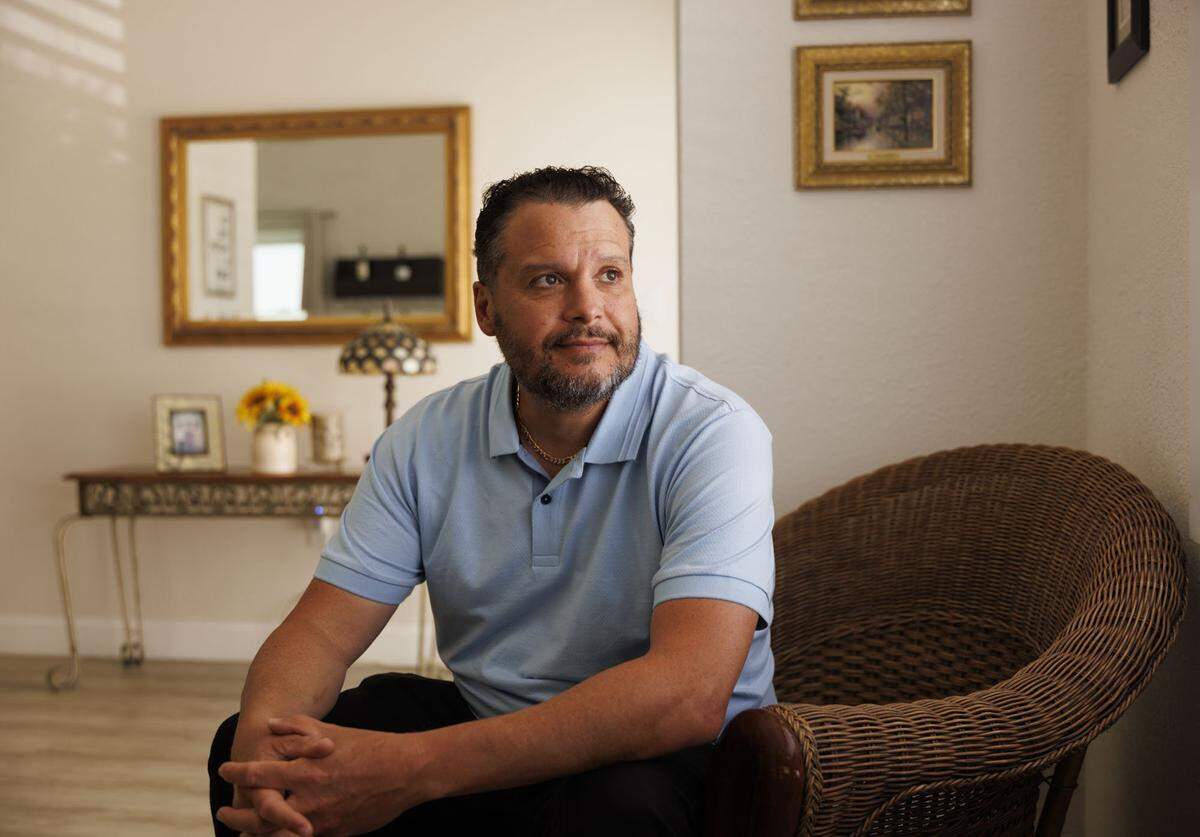
Ozzie Echemendia spent months on his couch, unable to walk or work, taking 60 pills a day as Parkinson's disease stole his independence. Today, the 54-year-old father of two is dancing again.
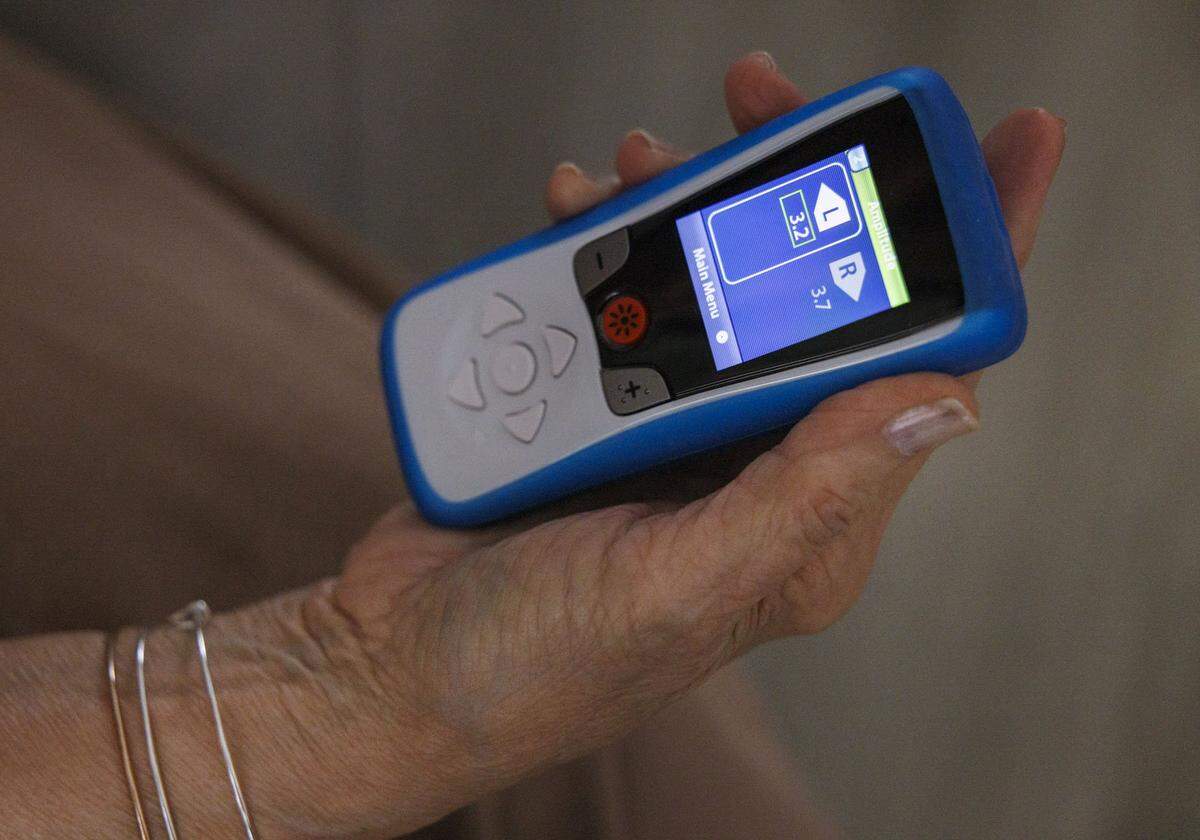
His transformation came through deep brain stimulation, a procedure that implants thin wires into the movement control center of the brain. Connected to a small battery in his chest, the device acts like a pacemaker for his nervous system, controlling symptoms without medication.
"The fact that I'm here sitting with you, it's a miracle," Echemendia told the Miami Herald. Within days of the May 2024 surgery at Memorial Regional Hospital in Hollywood, he walked to the bathroom by himself for the first time in years.
The robot-assisted procedure takes less than an hour compared to traditional brain surgery's 10-hour marathon. Patients no longer need to stay awake during the operation, and doctors don't even have to shave their heads.
"It's almost like a light switch," said Dr. Christopher DeMassi, chief of the Memorial Neuroscience Institute. "You turn the device on, and they're moving totally normal."
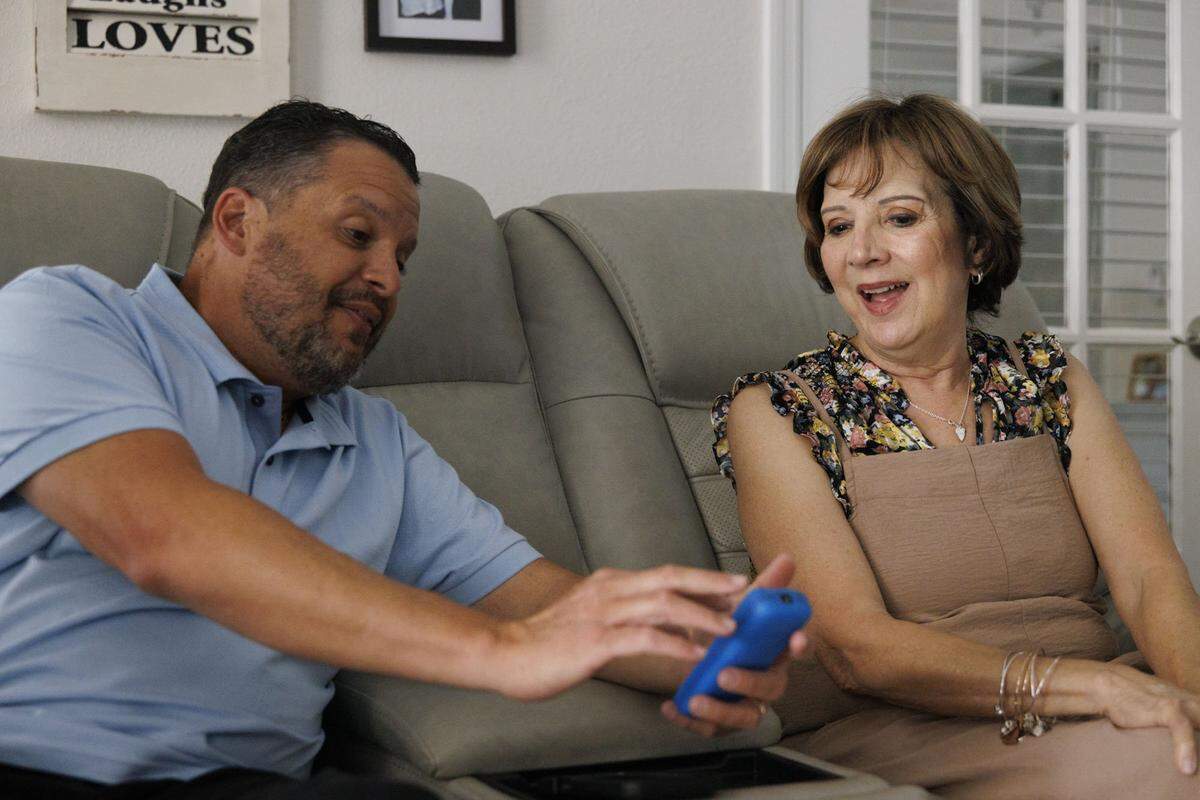
Ivonne Gonzalez tried the procedure in late December after watching Echemendia's recovery. She had struggled to play with her grandchildren as her handwriting changed and her speech slurred. Now she's walking without her walker, still fine-tuning her device settings as her symptoms continue improving.
At Baptist Hospital, an even newer approach uses MRI-guided ultrasounds to destroy tremor-causing brain cells without any incisions. Patients go home the same day with instant results.
Timothy Sick of Fort Lauderdale spent six years battling tremors before the ultrasound treatment. "I came out of the machine and my hand didn't quiver at all," he said through tears.
The Ripple Effect
These three breakthrough technologies are changing what's possible for Parkinson's patients across South Florida. The disease affects everyone differently, making treatment challenging, but new options mean doctors can match the right approach to each patient's specific symptoms.
For Echemendia, the change goes beyond physical movement. He's back at work, supporting his family, reclaiming the life Parkinson's tried to take.
Why This Inspires
Innovation isn't just happening in research labs. It's transforming lives right now in South Florida hospitals, giving people their independence back and showing that even diseases without cures can lose their grip when science keeps pushing forward.
More Images
Based on reporting by Google News - Health
This story was written by BrightWire based on verified news reports.
Spread the positivity!
Share this good news with someone who needs it