New Brain Tumor Drug Approved After 18-Year Wait
England approved its first new brain tumor treatment in 18 years, offering hope to 300 patients living in fear of their tumors growing. For Sally Penny, the pill has already given her a year without side effects and precious time with her children.
England's health system just approved vorasidenib, only the second new brain tumor drug since 2006, bringing hope to hundreds of families who've been waiting nearly two decades for progress.
The oral medication treats people aged 12 and older with specific low-grade brain tumors called IDH-mutated gliomas. Clinical trials showed it slows tumor growth and delays the need for harsher treatments like chemotherapy and radiation.
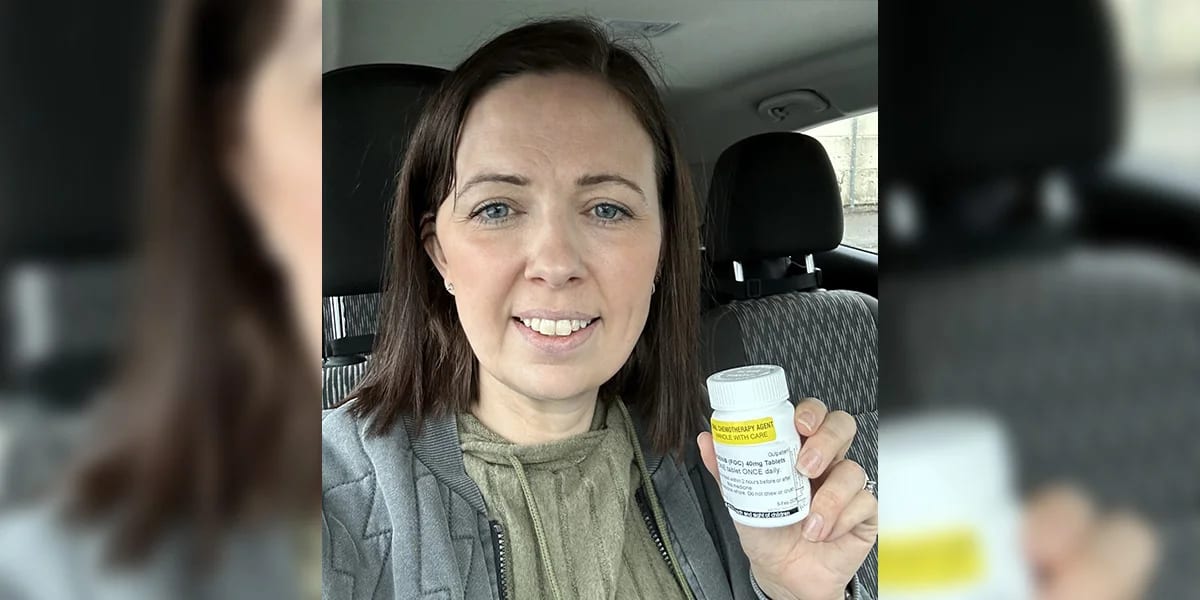
Sally Penny knows firsthand what this approval means. The 43-year-old has been taking vorasidenib for almost a year after a seizure led to her diagnosis and 10-hour brain surgery.
"It's given me my life back," Sally said. She's returned to work, spent precious time with family and friends, and had four MRI scans showing her tumor remains stable. She's experienced zero side effects.
For Laura Margott, diagnosed in 2023 after seizures that nearly caused her to bite off her tongue, the approval means everything. She currently gets MRI scans every six months just watching and waiting for her tumor to regrow.
"I feel like a sitting duck," Laura said. "Being able to take vorasidenib would mean there would be hope in my life again for myself and my family."
The approval comes through the Cancer Drugs Fund, which should mean faster access for eligible patients while routine funding gets finalized. Scotland approved the treatment last month.
Two trustees from Astro Brain Tumour Fund, Mary Burton and Dawn Emerton, campaigned for the drug since March 2023. Their efforts, combined with patient testimonies and clinical data, helped push the approval through.
The Ripple Effect
This marks the second brain tumor treatment approved in just three years, signaling a shift in what's possible. For decades, attitudes suggested nothing worked for brain tumors. That's changing.
Professor Susan Short calls it "equity of access to a kinder treatment" that will reduce anxiety and improve quality of life for around 300 families in England alone. The treatment represents what the brain tumor community needs more of: tailored therapies that let people live normal lives while fighting disease.
Sally puts it simply: "Vorasidenib may only work for me for a few years, but those years will be ones where I am living: working, raising my children to become wonderful adults, and enjoying life."
After 18 years of waiting, that's hope families can actually hold onto.
More Images
Based on reporting by Google: new treatment approved
This story was written by BrightWire based on verified news reports.
Spread the positivity!
Share this good news with someone who needs it