New Camera Gadget Captures Lightning 30 Miles Away
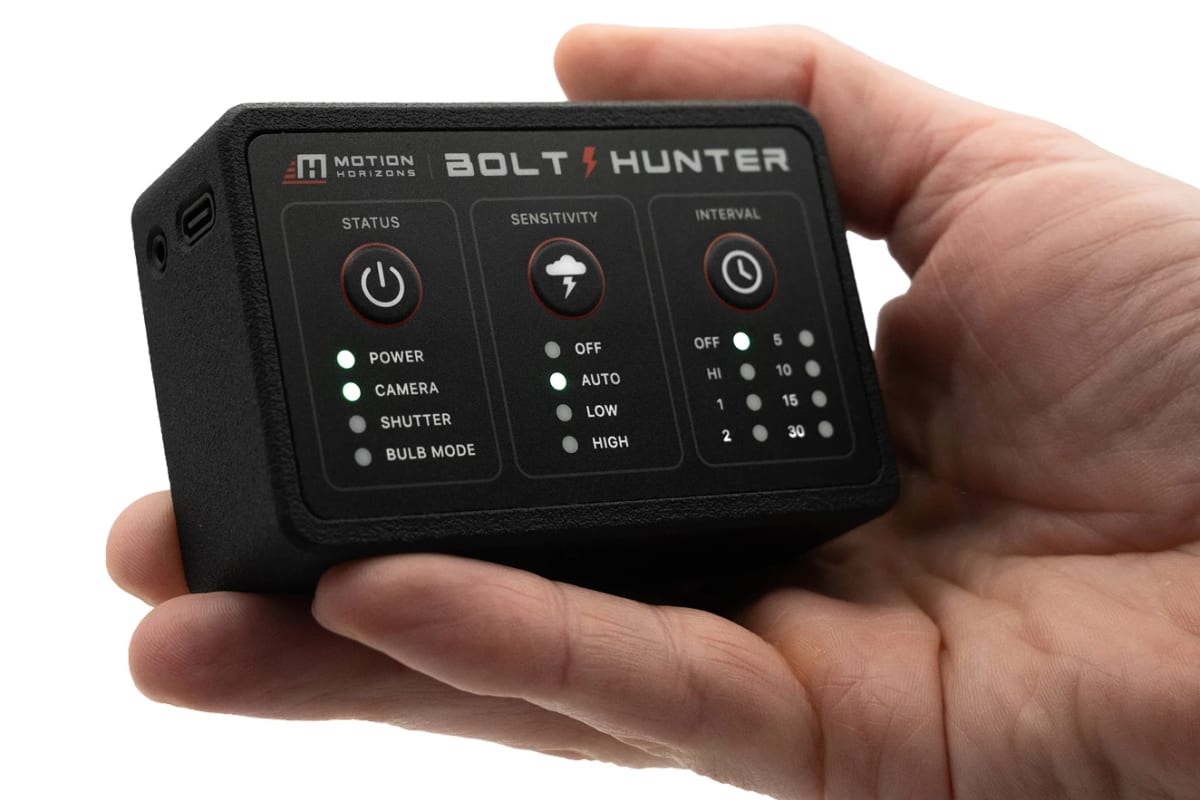
A storm photographer invented a tiny device that predicts lightning strikes before they happen, making it easier than ever to capture nature's most dramatic light show. The Bolt Hunter works by detecting faint flashes inside clouds that happen milliseconds before lightning strikes.
Capturing a perfect lightning photo used to mean standing in storms for hours, guessing where bolts might strike and hoping your timing was perfect.
Jeff Boyce spent 10 years chasing storms with a camera before he got fed up with the difficulty and invented a better solution. His creation, the Bolt Hunter, is a small device that sits on top of any camera and predicts lightning strikes before they happen.
Here's the clever part: the Bolt Hunter detects faint flashes happening inside clouds that are invisible to the naked eye. These tiny flashes occur milliseconds before lightning bolts become visible, giving the device just enough time to trigger your camera at the perfect moment.
Traditional lightning triggers wait to detect bright flashes, which often means missing the shot entirely. The Bolt Hunter solves this by reading the early warning signs and accounting for camera shutter lag, ensuring the photo captures the full drama of the strike.
The device can detect lightning over 30 miles away during daylight and even further at night. It runs for more than 48 hours on a single battery charge and connects to your phone via Bluetooth, so photographers can adjust settings from inside their cars while storms rage outside.
Boyce designed it with just one button to keep setup simple. The weather-sealed gadget is small enough to slip into a camera bag without adding bulk.
Why This Inspires
This invention democratizes an art form that previously required years of experience and endless patience. Amateur photographers can now capture stunning lightning photos on their first attempt, opening up storm photography to anyone with curiosity and a camera.
The Bolt Hunter proves that the best innovations often come from people who experienced frustration firsthand and refused to accept "that's just how it is" as an answer.
Now nature's most fleeting masterpieces are within reach for everyone.
More Images


Based on reporting by New Atlas
This story was written by BrightWire based on verified news reports.
Spread the positivity!
Share this good news with someone who needs it