New Cancer Drug Could Cut Treatment Time, Ease Side Effects
Scientists discovered how to permanently switch off cancer-causing genes, potentially shortening treatment and reducing harsh side effects. The breakthrough targets aggressive leukemia and enters clinical trials this year.
Cancer patients could soon face shorter, gentler treatments thanks to a major scientific breakthrough that permanently turns off genes driving the disease.
Researchers at Monash University and Harvard University cracked the code on why certain epigenetic drugs work against cancer. Their discovery, published in Nature Cell Biology, reveals how these medications can shut down cancer-promoting genes for good, even after treatment stops.
The team focused on aggressive forms of acute leukemia caused by genetic errors that keep cancer genes constantly switched on. Existing drugs already target this process, but doctors didn't fully understand the mechanism until now.
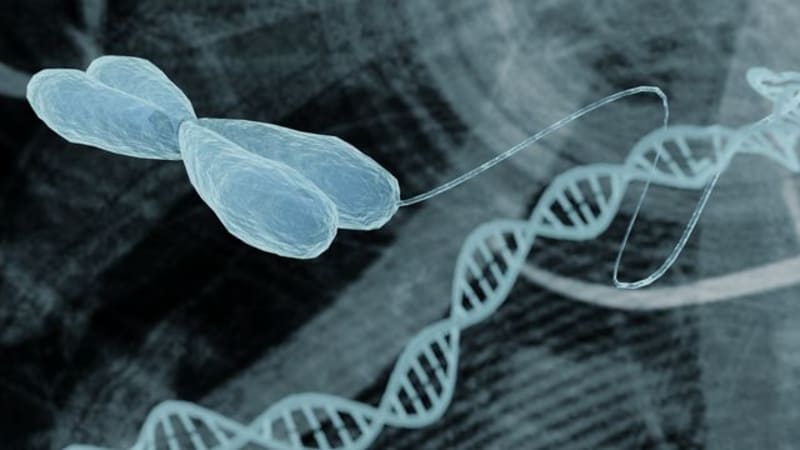
Dr. Omer Gilan, who led the research team, found that targeting two specific proteins called Menin and DOT1L can permanently disable cancer-causing genes in leukemia cells. The drugs erase the "memory" in cancer cells, continuing to kill them long after patients stop taking medication.
"We have potentially identified a new way to exploit cancer's weaknesses," Dr. Gilan said. "But the most exciting part is that clinicians can harness our findings to improve response and reduce side effects for patients."
PhD candidate Daniel Neville, the study's lead author, explained the mechanism in simple terms. DOT1L provides a kind of memory to cancer cells, keeping them alive and multiplying. The Menin-targeting drugs wipe out that memory completely.
The breakthrough could transform what cancer treatment looks like for patients. Shorter treatment periods might allow doctors to use higher doses or add complementary therapies without overwhelming patients' bodies.
Why This Inspires
Anyone who has watched a loved one endure chemotherapy knows the toll cancer treatment takes. The nausea, exhaustion, and countless other side effects sometimes feel almost as devastating as the disease itself.
This discovery offers something precious: hope for a gentler path. The possibility of shorter treatments with fewer side effects could mean parents missing fewer of their children's milestones, workers maintaining their careers, and patients preserving their quality of life.
The research moves beyond the laboratory this year. Monash University and The Alfred hospital will launch clinical trials testing the approach in real patients.
Associate Professor Shaun Fleming, a clinical haematologist at The Alfred, sees enormous potential as the trials progress. Understanding how these therapies work at a deeper level means doctors can use them more effectively and safely in combinations with other treatments.
The team believes this approach could eventually extend beyond leukemia to other cancers, opening new possibilities for millions of patients worldwide facing diagnoses that once meant months or years of grueling treatment regimens.
For now, leukemia patients have reason to hope that their battle might become more bearable.
More Images

Based on reporting by Google News - New Treatment
This story was written by BrightWire based on verified news reports.
Spread the positivity!
Share this good news with someone who needs it