New Cancer Drug Shows 78% Response in Colorectal Patients
A groundbreaking cancer treatment achieved a 78% response rate in colorectal cancer patients who had already failed other therapies. The experimental drug also helped 85% of patients survive two years, compared to just 40% with standard treatment.
Patients with advanced colorectal cancer just got new hope from a trial that exceeded doctors' expectations.
An investigator-led study at the National Cancer Institute tested PDS01ADC, an innovative drug that delivers immune-boosting proteins directly to tumors. The results stunned researchers: 78% of patients with colorectal cancer that had spread to their liver showed significant tumor shrinkage after six months.
That's more than double the 35% response rate seen in patients receiving standard treatment alone. But the survival numbers tell an even more powerful story.
After two years, approximately 85% of patients treated with PDS01ADC were still alive. In the comparison group receiving conventional therapy, only 40% survived that long.
The trial enrolled patients who had already tried at least one round of chemotherapy without success. These were people facing one of oncology's toughest challenges: metastatic colorectal cancer that keeps growing despite treatment.
Dr. Jonathan Hernandez, who led the trial, combined the experimental drug with existing cancer treatments delivered through a specialized pump. Patients received PDS01ADC through a simple subcutaneous injection, similar to how people with diabetes take insulin.
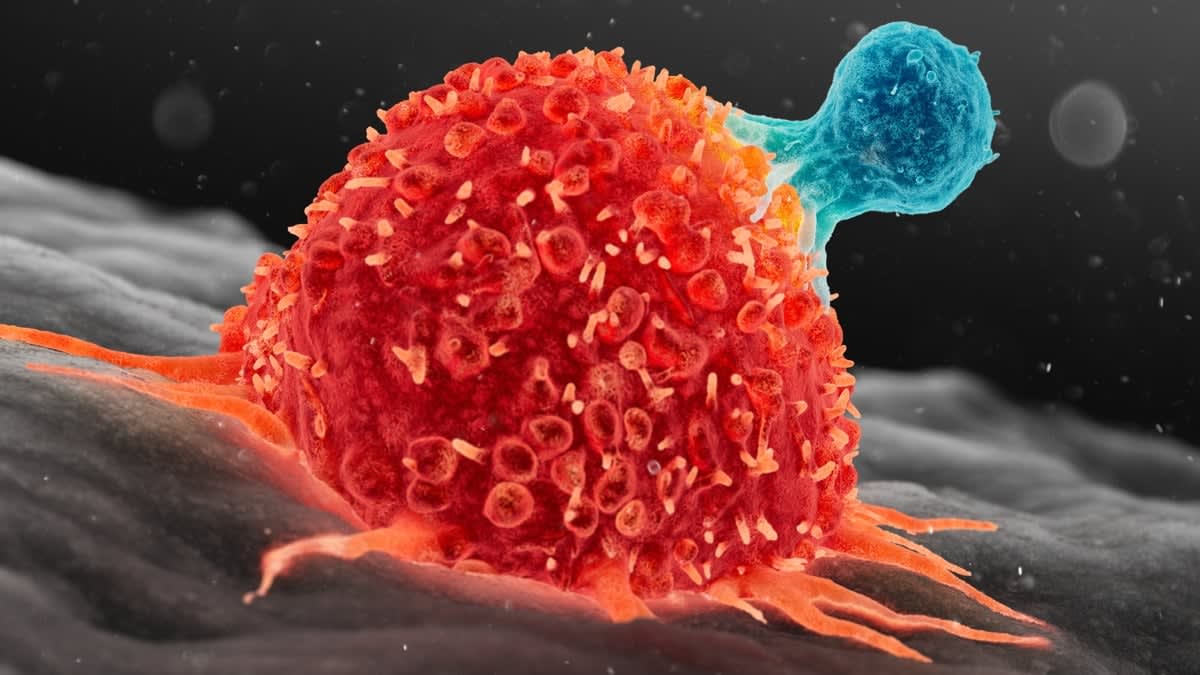
The drug works by carrying Interleukin-12, a powerful immune activator, straight to cancer cells while avoiding healthy tissue. This targeted approach appears to trigger the body's own defenses against tumors without the harsh side effects that limit traditional immune therapies.
The Ripple Effect
Nearly two million people worldwide receive a colorectal cancer diagnosis each year, making it the third most common cancer globally. About 900,000 people die from the disease annually, often because their cancer spreads and stops responding to standard treatments.
This breakthrough matters beyond the statistics. Every percentage point in those survival rates represents real people getting more birthdays, more graduations, more ordinary precious moments with the people they love.
The findings also validate a new approach to cancer treatment that other researchers can build on. By proving that targeted immune activation can work in heavily pretreated patients, this study opens doors for similar strategies across different cancer types.
Dr. Frank Bedu-Addo, CEO of PDS Biotech, noted that metastatic colorectal cancer remains an area of significant unmet need despite recent advances. These early results represent meaningful progress toward more precise immune treatments that work with the body instead of against it.
Other pharmaceutical companies are racing toward similar breakthroughs, with promising results emerging from trials testing different drug combinations and approaches for the same disease.
For patients currently facing limited options, this research offers something invaluable: a reason to keep fighting.
More Images

Based on reporting by Google News - Clinical Trial Success
This story was written by BrightWire based on verified news reports.
Spread the positivity!
Share this good news with someone who needs it