New Cancer Test Predicts Best Treatment Before You Start
A groundbreaking approach tests cancer drugs against your actual tumor cells before treatment begins, ending the guessing game that wastes precious time. For families facing aggressive or rare cancers, this personalized medicine could mean finding the right therapy on the first try.
Imagine knowing which cancer drug will work for you before starting treatment, not months later when precious time has slipped away.
That's the promise of functional precision medicine, a breakthrough approach developed by First Ascent Biomedical that combines tumor testing, genomic data, and artificial intelligence to match patients with their most effective treatments. Instead of relying on what works for most people, doctors can now test drugs directly against an individual patient's cancer cells.
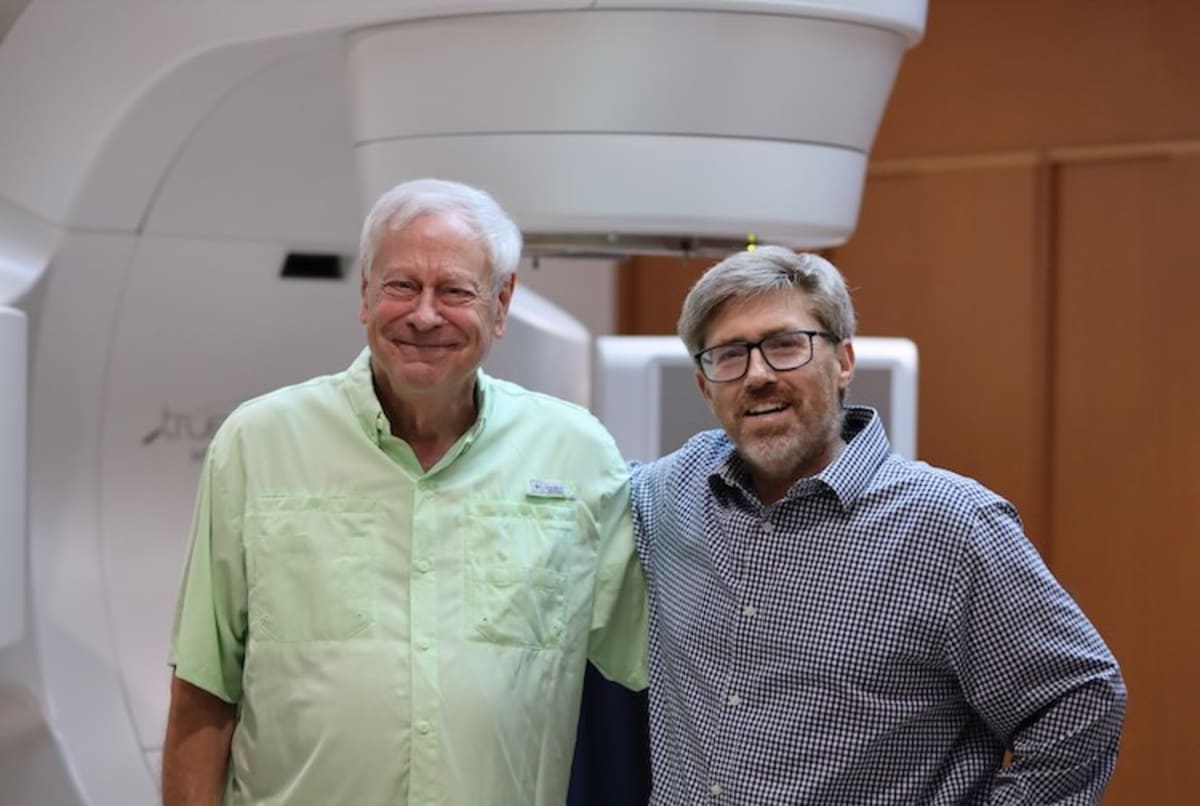
"Cancer is a living system. It rewires, it adapts, it tries to survive," explains Jim Foote, CEO of First Ascent Biomedical. "Two patients with the exact same cancer and the exact same mutation will respond completely differently to the same drug."
The innovation emerged from Foote's personal experience as a parent of a child with cancer. He watched firsthand how traditional trial and error approaches consume critical time, especially for children and patients with aggressive, rare, or relapsing cancers.
Currently, doctors typically follow standard care protocols that work 77% of the time. That sounds reassuring until you're in the 23% for whom first-line treatment fails. By then, the cancer may have progressed or metastasized.
Functional precision medicine flips that script. It takes the next step beyond genetic testing by actually validating whether identified drugs will work against a patient's specific cancer cells before therapy begins.
Why This Inspires
This approach represents more than scientific advancement. It honors the reality that every patient's cancer is unique, deserving treatment as individual as they are.
For families facing a cancer diagnosis, especially parents of sick children, the wait to find effective treatment feels endless. Every failed therapy cycle means watching someone you love endure side effects without benefit, while the disease potentially gains ground.
With nearly two million Americans diagnosed with cancer in 2025 and over 618,000 deaths expected, the need for better approaches has never been more urgent. Cancer remains the leading disease-related cause of death for children and increasingly affects younger patients.
As 2026 unfolds, cancer care is shifting away from one-size-fits-all protocols toward treatments tailored to each person's unique biology. What began with one father's determination to help his child is now opening doors for patients nationwide, transforming hope into targeted action when every moment counts.
Based on reporting by Google News - New Treatment
This story was written by BrightWire based on verified news reports.
Spread the positivity!
Share this good news with someone who needs it