New Cancer Treatment Shows Promise in Early Trial
A groundbreaking therapy that teaches the body's immune system to recognize hidden cancer cells has shown encouraging results in early human trials. The treatment helped one in five patients with hard-to-treat cancers, offering new hope where other options had failed.
Scientists have successfully tested a new way to fight cancer that works like giving the immune system a pair of specialized glasses to spot tumor cells it normally can't see.
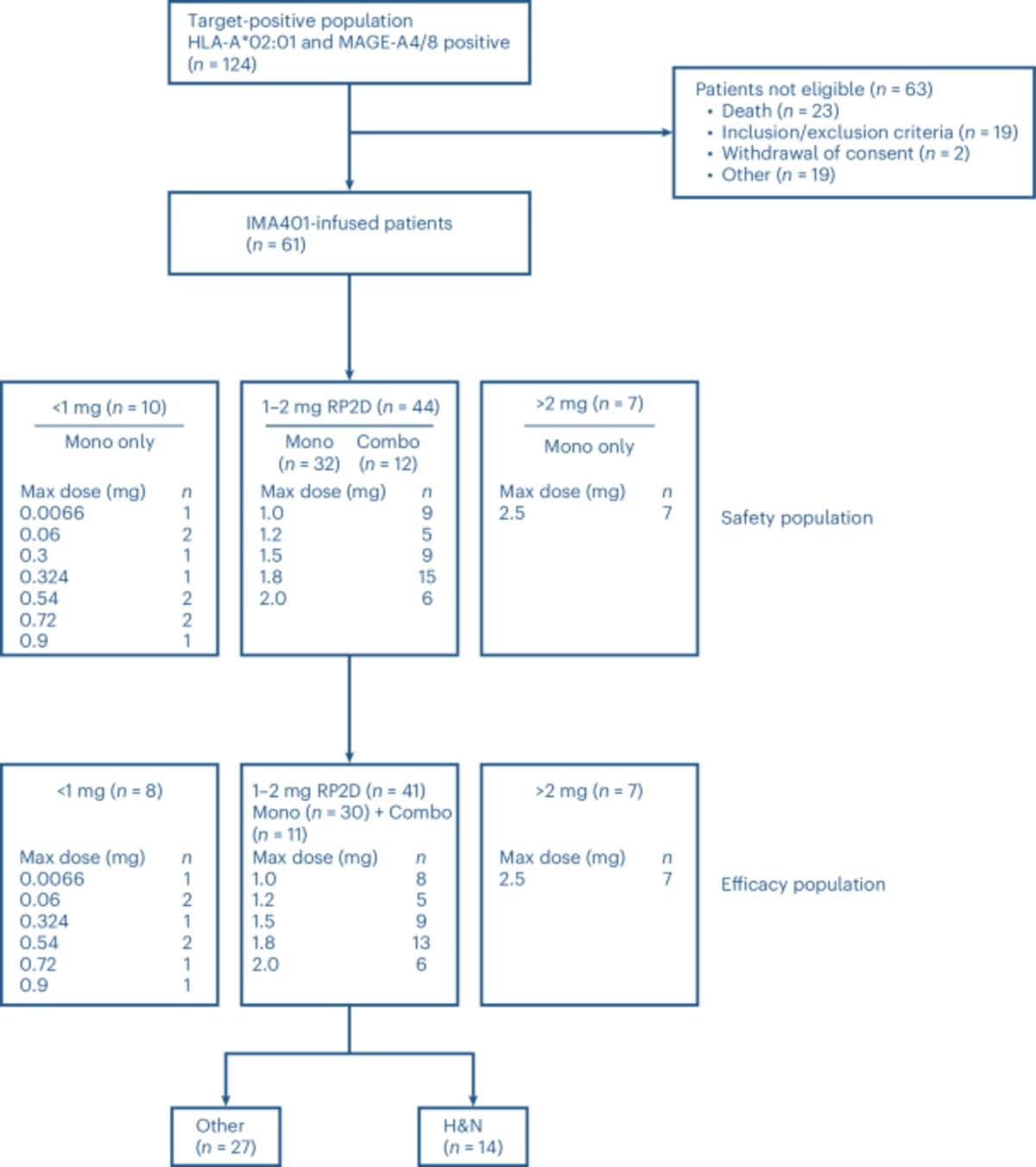
The experimental treatment, called IMA401, targets proteins that hide inside cancer cells across 15 different types of solid tumors. In a first-phase human trial, doctors treated 61 patients whose cancers had returned or hadn't responded to other therapies.
The results offer genuine reason for optimism. Among patients who received the recommended dose, 20% saw their tumors shrink or stabilize. For head and neck cancer patients specifically, that number jumped to 29%, with responses lasting nearly nine months on average.
What makes this treatment different is how it works. Most cancer therapies can only attack targets on a tumor's surface. This new approach reaches inside cancer cells to find proteins that appear in many cancer types but barely exist in healthy tissue.
The safety profile proved manageable. Most side effects were temporary and mild, including brief immune reactions that doctors could control with standard medications. Patients received the treatment through an IV every two weeks.
Why This Inspires
This trial represents years of scientific refinement to overcome challenges that have limited previous cancer immunotherapies. The research team specifically engineered this treatment to last longer in the bloodstream and reduce unnecessary immune activation while maintaining strong anti-tumor effects.
For patients with head and neck cancer in the trial, seeing four people respond when they'd already tried everything else available demonstrates the power of persistence in medical research. These weren't easy cases; these were people facing limited options who became proof that new approaches can work.
The treatment also showed activity across multiple cancer types, suggesting it could eventually help patients with melanoma, lung cancer, bladder cancer, and other solid tumors. That versatility matters because it means more people might benefit from a single breakthrough.
Testing continues to refine dosing and identify which patients will benefit most. The next phase of trials will build on these encouraging early results with larger patient groups.
Medical progress happens in careful steps, and this first-phase trial cleared important hurdles that move a promising idea closer to becoming a real treatment option for people who need it most.
More Images

Based on reporting by Google News - Health
This story was written by BrightWire based on verified news reports.
Spread the positivity!
Share this good news with someone who needs it