New Cancer Treatment Stays Stable at Room Temperature
Scientists at Purdue University created an mRNA cancer therapy that works like a freeze-dried powder, solving a huge storage problem that has held back other treatments. The breakthrough could make advanced bladder cancer treatments accessible to hospitals everywhere.
Imagine a cancer treatment so stable you could store it in a regular freezer instead of an ultra-cold specialty unit that costs thousands of dollars. That's exactly what researchers at Purdue University just achieved.
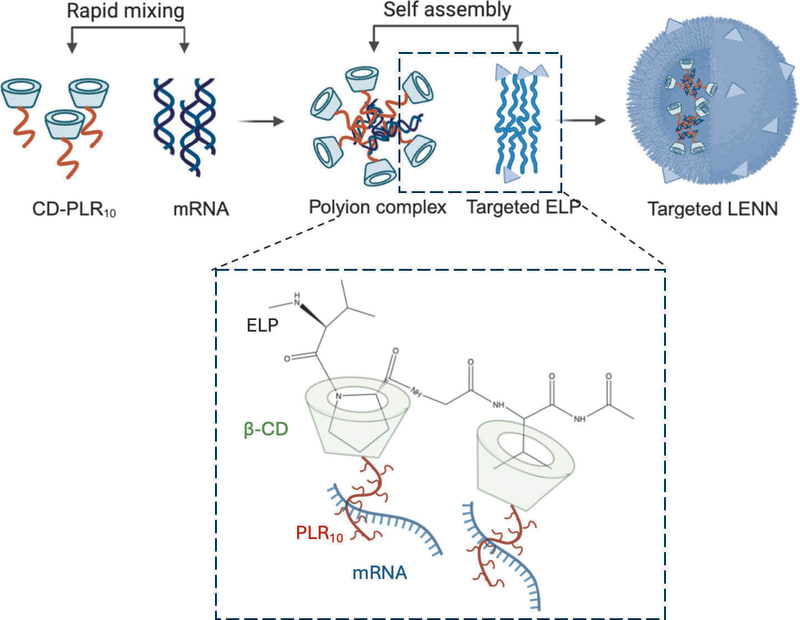
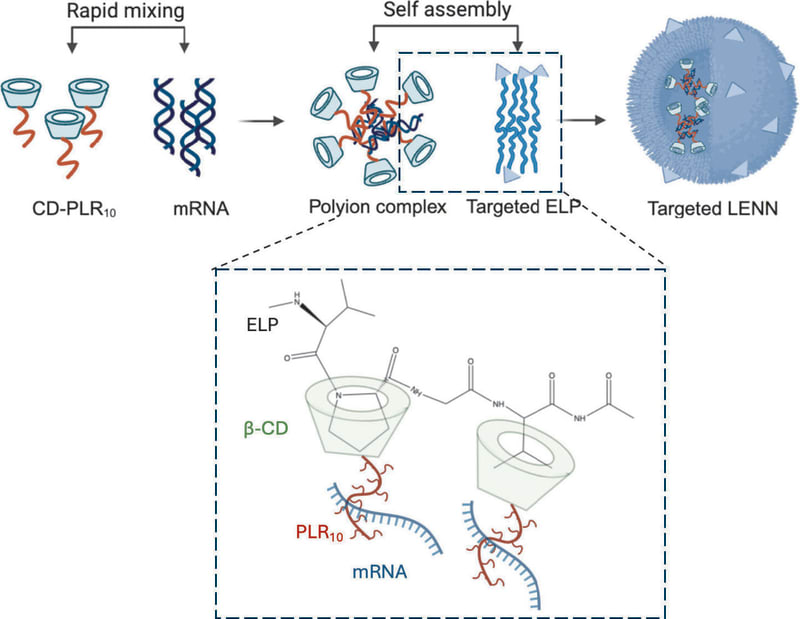
The team developed a delivery system called LENN that carries mRNA therapies directly to bladder cancer cells. Unlike current mRNA treatments that must stay frozen at minus 45 degrees Celsius, LENN can be freeze-dried into a powder and stored at normal freezer temperatures for days without losing effectiveness.
Professor David Thompson and his team designed LENN to mimic how viruses naturally enter cells. It has two protective layers: an inner shell that holds the therapy and an outer shell that shields it from the body's immune system. When scientists rehydrated the freeze-dried powder after three days of storage, it worked just as well as fresh samples.
The system targets bladder cancer cells specifically by recognizing receptors already present on tumor surfaces. Once LENN enters the cancer cells, it releases its mRNA cargo, which instructs the cells to produce therapeutic proteins. The immune system doesn't attack it because LENN enters through the cell's natural pathways.
Lead author Saloni Darji chose bladder cancer for testing because it presents unique delivery challenges. The results showed LENN not only reached its target but did so without triggering inflammation or immune responses that can derail other therapies.
The Ripple Effect
This breakthrough addresses one of the biggest obstacles in getting advanced therapies to patients. Current mRNA treatments require expensive ultra-cold storage units that many hospitals, especially in rural areas or developing countries, simply don't have. LENN's stability at normal freezer temperatures could democratize access to cutting-edge cancer care.
The manufacturing process offers another advantage. LENN's components come from biological expression, making production more sustainable and scalable than synthetic alternatives. Thompson calls it a "green" manufacturing approach that could reduce both costs and environmental impact.
The research team is now preparing for the next phase: testing LENN's safety and effectiveness in mouse models of bladder cancer. They're collaborating with Bennett Elzey from Purdue's Department of Comparative Pathobiology to scale up production for these preclinical trials.
The study appeared in the Proceedings of the National Academy of Sciences, one of the world's most prestigious scientific journals, after rigorous peer review.
For the 83,000 Americans diagnosed with bladder cancer each year, this virus-mimicking delivery system represents hope that effective treatments might soon become more widely available.
More Images
Based on reporting by Medical Xpress
This story was written by BrightWire based on verified news reports.
Spread the positivity!
Share this good news with someone who needs it