New Catalyst Makes Clean Fertilizer 50% More Efficiently
Scientists just cracked the code on making ammonia without massive carbon emissions, potentially transforming how we feed the world. The breakthrough could replace one of agriculture's dirtiest processes with clean, renewable energy.
Feeding eight billion people just got a major upgrade, and it's happening in a chemistry lab in Germany.
Researchers at Johannes Gutenberg University Mainz have developed a game-changing catalyst that produces ammonia 50% more efficiently than previous methods. That might sound technical, but here's why it matters: ammonia is the foundation of modern fertilizer, and right now, making it creates roughly 2% of global carbon emissions.
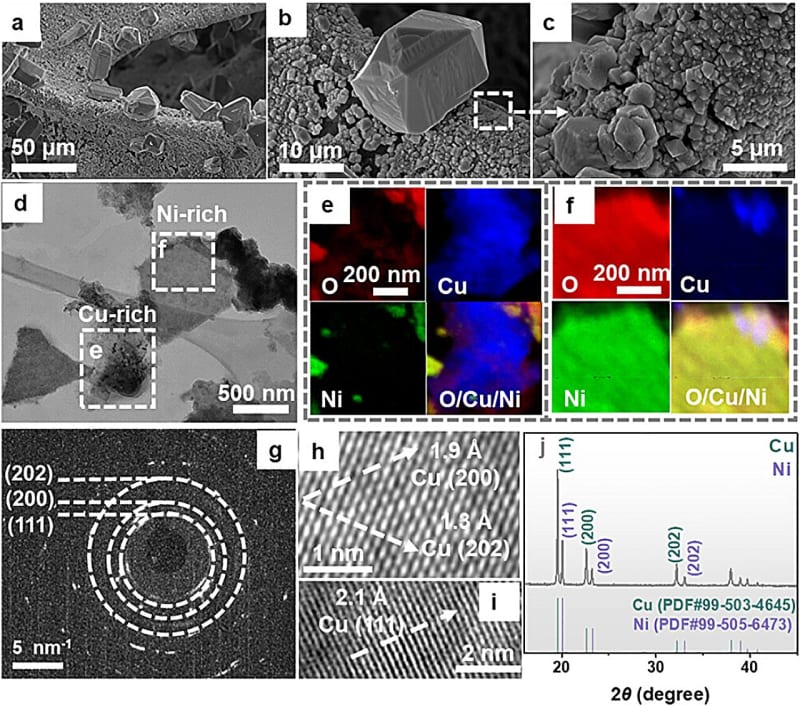
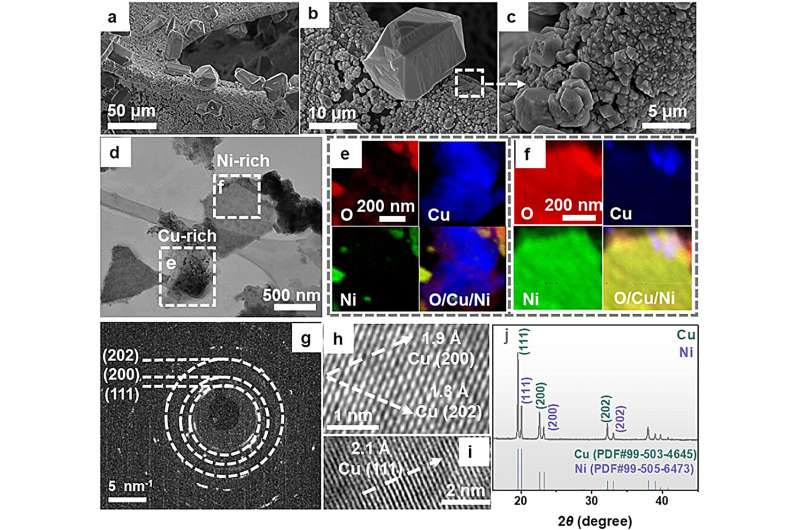
Dr. Dandan Gao and her team designed a three-part catalyst using copper, nickel, and tungsten that works like a perfectly coordinated relay team. Copper removes oxygen from nitrate, nickel generates hydrogen, and tungsten ensures that hydrogen binds to nitrogen instead of escaping into the air.
The traditional method, called the Haber-Bosch process, has fed humanity for over a century but requires extreme heat and pressure, guzzling massive amounts of energy. This new approach uses electrolysis powered by renewable electricity, turning a dirty industrial process into a clean one.
The team didn't stop at efficiency gains. They discovered that using pulsed electricity instead of constant voltage boosts production by another 17%. Think of it like interval training versus steady jogging, the alternating intensity produces better results.
Here's where it gets even better. Every electrolysis reaction has two sides, and typically one side just produces oxygen that nobody particularly needs. Gao's team replaced that wasted reaction with something useful: converting glycerol, a waste product from biodiesel production, into formic acid.
Formic acid is valuable for making chemicals and pharmaceuticals. So instead of one useful product and waste, the process now creates two industrial feedstocks from materials we already have, including waste.
The breakthrough was published this week in Angewandte Chemie International Edition, one of chemistry's most respected journals. The peer-reviewed research confirms what could be a turning point for sustainable agriculture.
The Ripple Effect
This isn't just about cleaner fertilizer production. The method demonstrates how we can redesign industrial chemistry from the ground up, coupling reactions to maximize value while minimizing waste and emissions.
As renewable energy becomes cheaper and more abundant, processes like this become increasingly practical at scale. What works in a lab today could be feeding crops across continents tomorrow, all without the carbon footprint that's haunted agriculture for generations.
The research team continues refining the process, but the foundation is solid: we now have a proven path to making one of humanity's most essential chemicals without wrecking the planet in the process.
Feeding the world and fighting climate change no longer have to be at odds.
More Images

Based on reporting by Phys.org
This story was written by BrightWire based on verified news reports.
Spread the positivity!
Share this good news with someone who needs it