New Cell Therapy Brings Hope to 300M With Cornea Disease
A California biotech company just launched a groundbreaking program to create lab-grown corneal cells that could help 300 million people worldwide facing blindness from a degenerative eye disease. The treatment could solve a devastating shortage where only one donor cornea exists for every 70 patients who need one.
For the 13 million people worldwide waiting for a corneal transplant, help may finally be on the way from an unexpected source: a lab in Carlsbad, California.
Lineage Cell Therapeutics just announced COR1, a new cell therapy program designed to treat Fuchs endothelial corneal dystrophy, a disease that slowly kills cells in the cornea and steals people's vision. The condition affects 300 million people globally, including 6 million Americans, and that number is expected to jump to 415 million by 2050.
The problem right now is heartbreaking. There's only one donor cornea available for every 70 patients who need one.
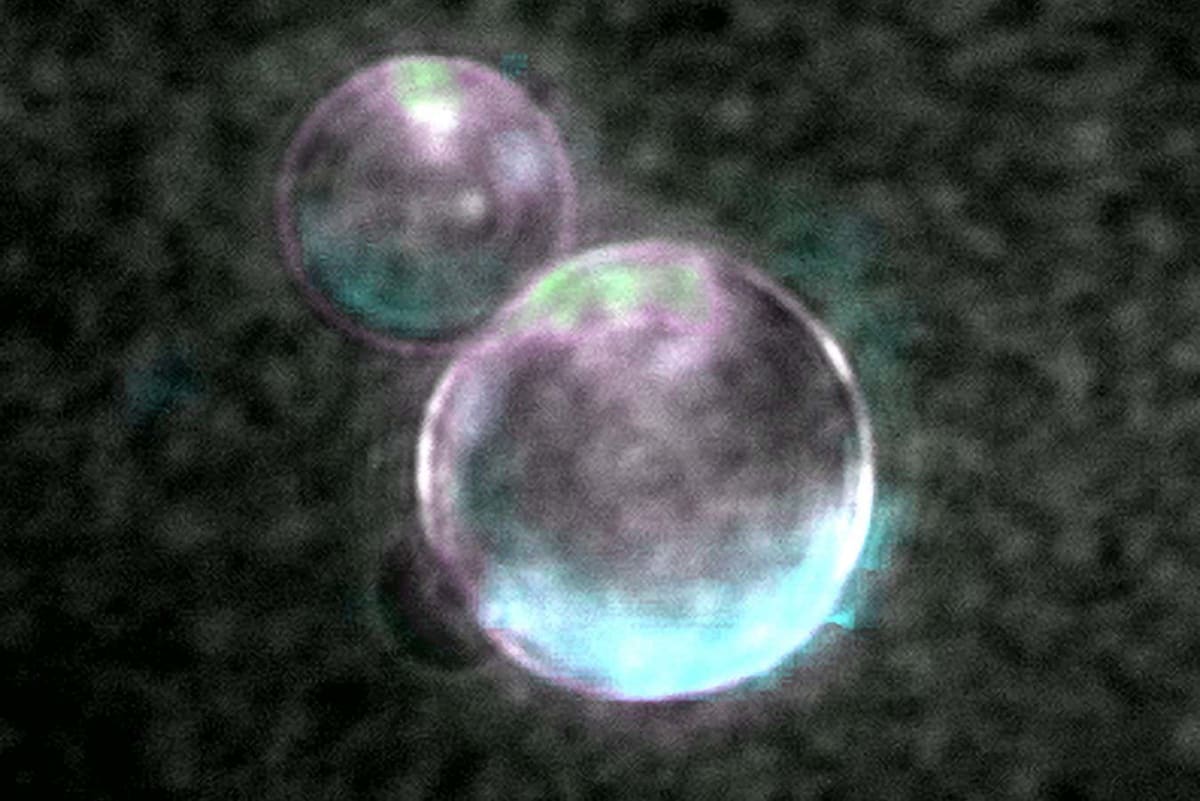
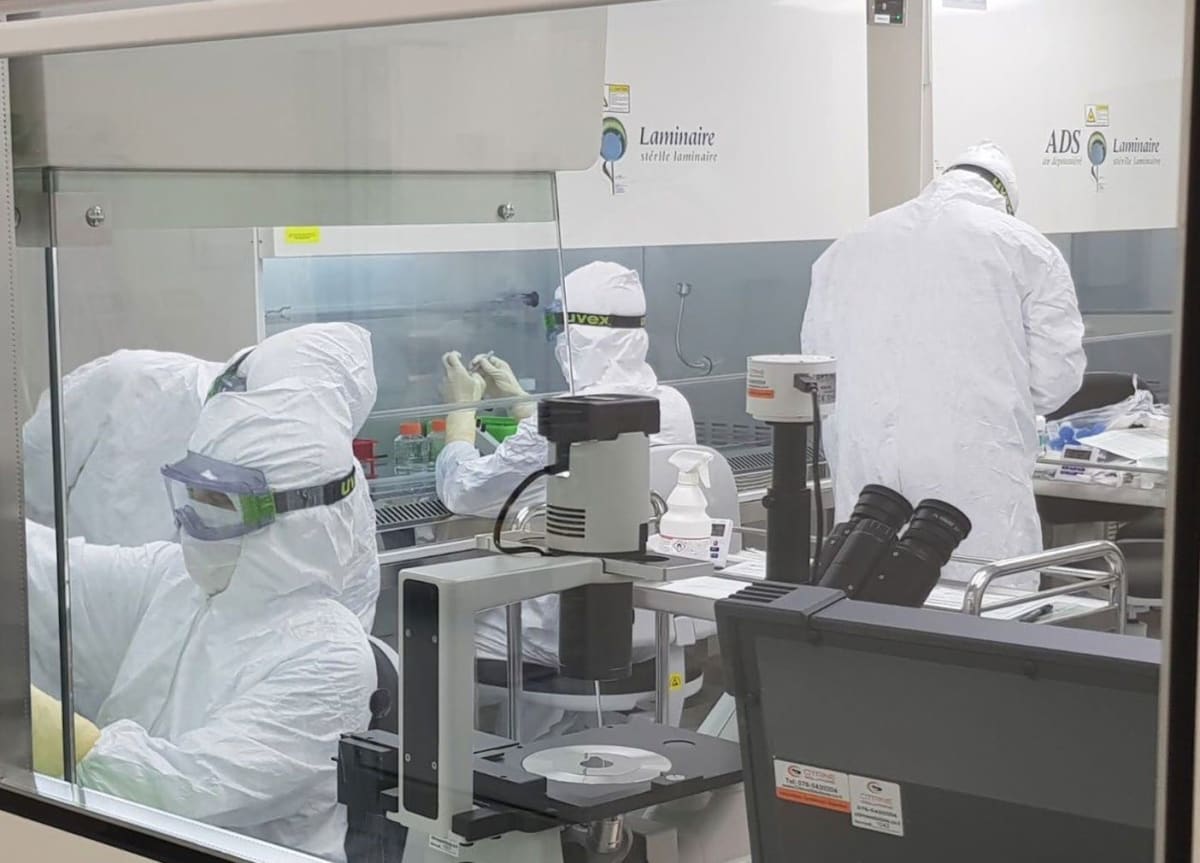
Lineage's solution is to grow the exact cells patients need in their lab. Using their proprietary stem cell technology, the company can transform pluripotent stem cells into corneal endothelial cells, the specific type that dies off in FECD patients. If they can produce these cells at scale, they could eliminate the donor shortage entirely.
CEO Brian Culley explains the company's mission simply: "What we're looking to do is be able to take our ability to differentiate pluripotent stem cells into specific cells of the human body and then, if we can do that at scale, basically solve this problem of supply."
Lineage isn't new to turning lab-grown cells into hope. The company already has a cell therapy for age-related macular degeneration in Phase 2a clinical trials across 17 sites in the U.S. and Israel, with promising long-term results. They're also working on treatments for spinal cord injuries, hearing loss, and Type 1 diabetes.
Their diabetes program faces the same supply crisis as their cornea work. Only about 80 to 90 islet cell transplants happen in the U.S. each year because there simply aren't enough donor organs, even though these transplants can free diabetes patients from needing insulin.
The Ripple Effect
The real beauty of Lineage's approach is how it could transform medicine beyond just eye disease. If successful, their platform proves that we don't need to rely solely on donor organs to save lives. We can grow the exact cells patients need, when they need them, in quantities that can help everyone waiting.
With $55 million in cash and partnerships with pharmaceutical giants Roche and Genentech, the company has funding secured through 2028. They're now deciding which programs to develop themselves and which to partner on, based on risk and potential impact.
For the millions losing their vision while waiting for a donor that may never come, this research offers something they haven't had in a long time: a reason to stay hopeful.
More Images


Based on reporting by Google News - Disease Cure
This story was written by BrightWire based on verified news reports.
Spread the positivity!
Share this good news with someone who needs it