New Cell Therapy Helps Liver Patients Avoid Rejection
A breakthrough study shows promise for liver transplant recipients to accept new organs without harsh lifelong medications. Scientists used special immune cells from donors to train patients' bodies to recognize transplanted livers as their own.
Imagine receiving a lifesaving organ transplant without spending the rest of your life on medications that weaken your immune system. That future just got closer for liver transplant patients.
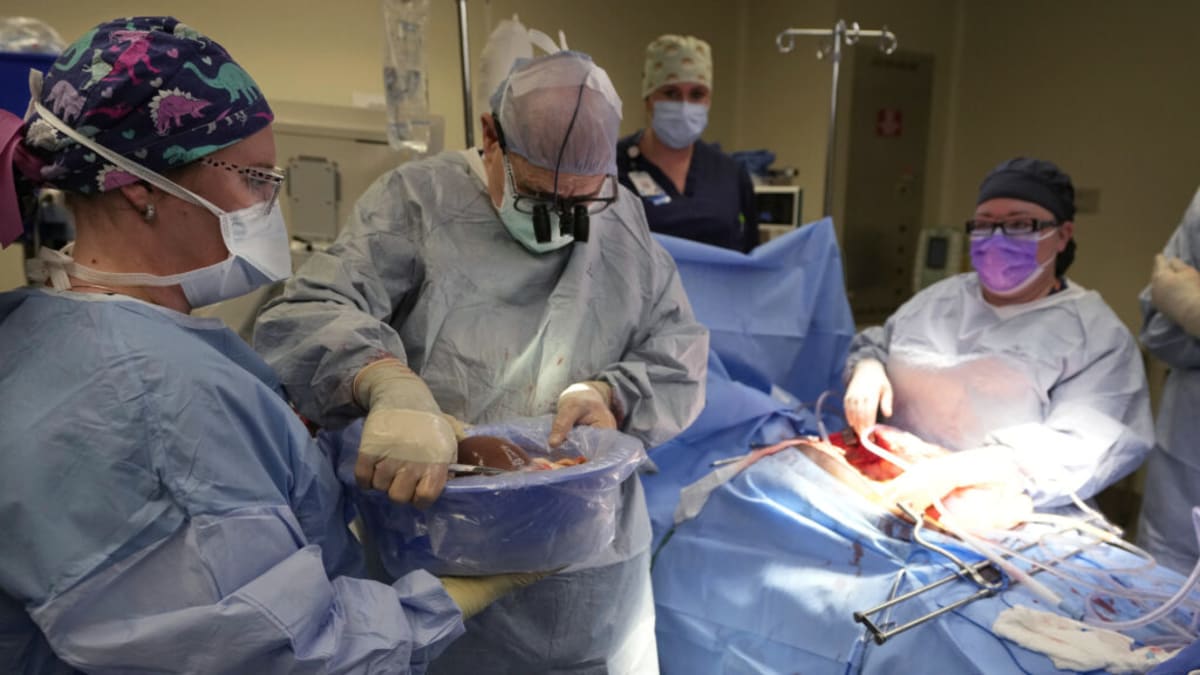
Scientists published groundbreaking results Friday in Nature Communications showing how a new cell therapy approach helped transplant recipients avoid organ rejection. The small early-stage study focused on people receiving portions of livers from living donors, a procedure made possible because livers can regenerate after donation.
The innovative treatment uses regulatory dendritic cells harvested from donors' white blood cells and grown in a laboratory. These specially prepared cells act like teachers, training the recipient's immune system to recognize the new liver tissue as friendly rather than foreign.
This matters because current transplant patients face a difficult tradeoff. Anti-rejection medications keep their bodies from attacking new organs, but those same drugs leave them vulnerable to infections, certain cancers, diabetes, and kidney damage. It's a necessary burden that affects quality of life for years after a successful transplant.
Living liver donations help patients suffering from alcohol-related liver disease, metabolic liver disease, and liver cancer. Donors give a portion of their liver knowing it will grow back, while recipients receive fragments that also regenerate to restore normal liver function.
Previous attempts at cell therapy focused on regulatory T immune cells taken from donors. This new approach using dendritic cells represents a fresh strategy toward the same goal: immune tolerance, long considered the holy grail of transplant medicine.
The Ripple Effect
Success in liver transplants could transform the entire field of organ transplantation. If this approach proves effective in larger studies, it could eventually benefit heart, kidney, and lung transplant recipients who currently rely on lifelong immunosuppression.
The research team's work addresses a fundamental challenge in modern medicine. Transplants save lives, but the medications required afterward create new health risks. Finding ways to achieve immune tolerance without harsh drugs could improve outcomes and quality of life for thousands of transplant patients each year.
Beyond individual patients, reducing reliance on immunosuppressive medications could decrease healthcare costs and complications. Fewer infections and side effects mean fewer hospital visits and better long-term health for people who've already endured serious illness.
While this study remains small and early-stage, it opens a door that researchers have been trying to unlock for decades. The path from promising early results to widespread treatment takes time, but each step forward brings hope to patients waiting for transplants and those already living with them.
For families watching loved ones struggle with failing livers, this research offers something precious: the possibility of a healthier tomorrow after transplant surgery.
More Images



Based on reporting by Google News - New Treatment
This story was written by BrightWire based on verified news reports.
Spread the positivity!
Share this good news with someone who needs it