New Chip Detects Cancer Drug Levels in Minutes, Not Days
Scientists in China created a tiny sensor chip that checks chemotherapy drug levels in blood almost instantly, helping doctors adjust doses to keep patients safer. The breakthrough could transform how cancer treatment is personalized for each patient.
Cancer patients receiving methotrexate chemotherapy could soon get safer, more personalized treatment thanks to a breakthrough sensor chip developed by Chinese researchers.
The PlasmoBridge chip, created by Prof. Wang Hongzhi's team at the Chinese Academy of Sciences, can detect precise drug levels in blood samples within minutes. Traditional testing methods take hours or even days and require expensive laboratory equipment.
This speed matters because methotrexate works within a razor-thin safety margin. Too little won't fight the cancer effectively. Too much can damage the liver, kidneys, and intestines. Every patient processes the drug differently, making real-time monitoring essential but frustratingly difficult with current technology.
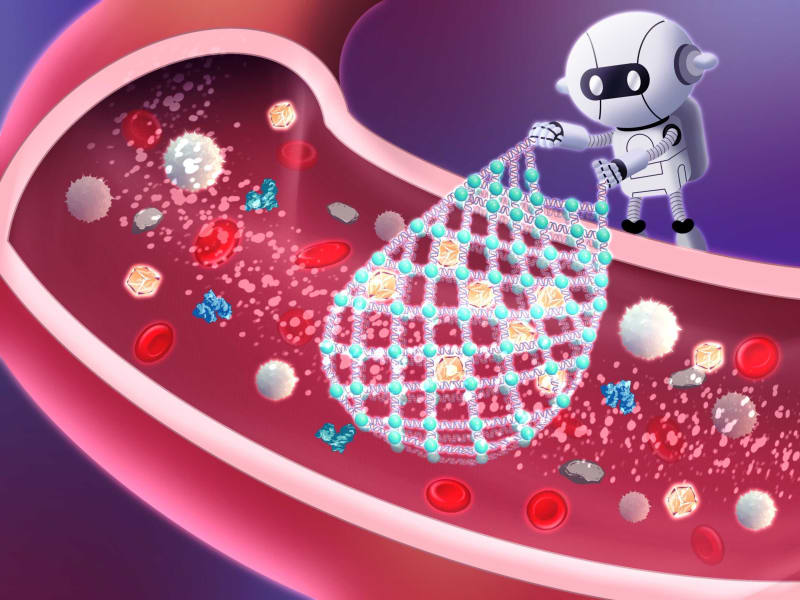
The chip works by linking tiny silver particles with special molecules that act like molecular fishing hooks. When a blood sample touches the chip, these hooks snag methotrexate molecules and create a light signal that scientists can measure instantly. The team paired this technology with artificial intelligence to interpret the results with remarkable accuracy.
In tests with mice that had bone cancer, the system worked beautifully. Researchers monitored drug levels continuously and adjusted doses in real time. The mice received effective cancer treatment without the severe side effects that often come with chemotherapy.
The Ripple Effect
The aptamer-nanobridge approach the team pioneered could extend far beyond methotrexate monitoring. The same platform could potentially track dozens of other medications that require careful dosing, from transplant drugs to antibiotics. This matters especially for children, elderly patients, and anyone whose body processes medications unusually.
The chip combines three crucial advantages that have eluded scientists until now: extreme sensitivity (detecting incredibly tiny amounts), speed (results in minutes), and simplicity (no specialized lab required). Doctors could eventually use these chips right in their offices during patient visits.
Clinical trials in humans represent the next step. If the chip proves as reliable in people as it did in mice, cancer centers could begin using it within a few years. The technology costs far less than current testing methods, making it accessible even to hospitals with limited budgets.
For the estimated 60,000 Americans who receive methotrexate annually for various cancers and autoimmune diseases, this innovation promises something precious: safer treatment tailored precisely to their body's needs.
More Images



Based on reporting by Phys.org
This story was written by BrightWire based on verified news reports.
Spread the positivity!
Share this good news with someone who needs it