New Cooling System Powers Tomorrow's AI Data Centers
A breakthrough cooling technology can now handle the massive heat generated by next-generation AI computing facilities. This innovation solves one of the biggest challenges facing the expansion of artificial intelligence infrastructure worldwide.
The computers powering tomorrow's AI breakthroughs generate up to 50 times more heat than traditional systems, and engineers just cracked the code on keeping them cool.
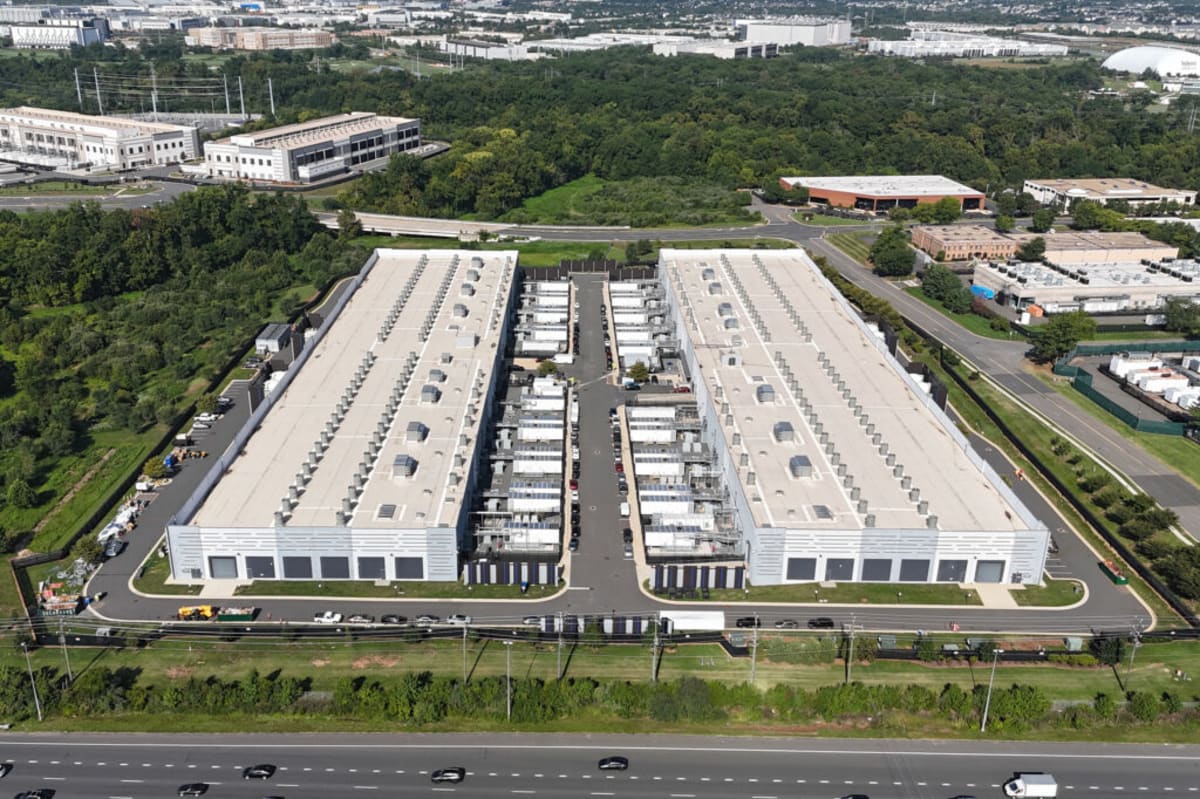
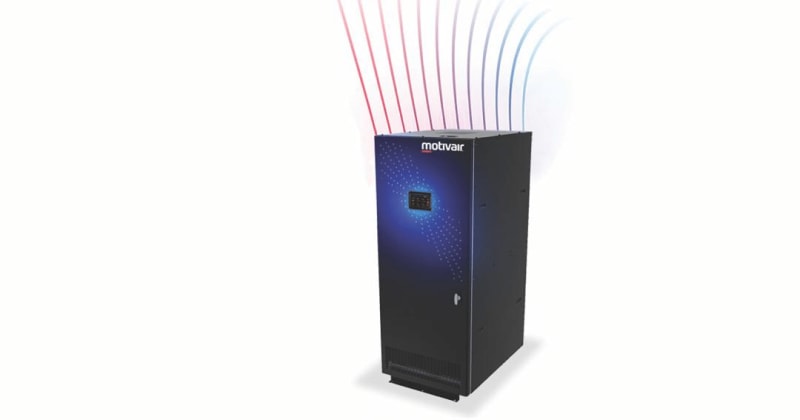
Motivair by Schneider Electric unveiled the MCDU-70, a cooling system capable of handling 2.5 megawatts of power in AI data centers. That's enough to cool entire buildings packed with the supercomputers that train artificial intelligence models.
The timing couldn't be better. AI data centers are hitting a wall as their computing power skyrockets and traditional cooling methods fail to keep pace.
Modern AI chips generate such intense heat that liquid cooling has become essential rather than optional. Power densities in server racks are projected to reach one megawatt and beyond, a level that would overwhelm conventional air conditioning systems.
The new cooling unit joins a product line ranging from 105 kilowatts to 2.5 megawatts. Six MCDU-70 units working together can scale to handle 10 megawatts or more, with built-in redundancy to ensure continuous operation even if some units need maintenance.
Rich Whitmore, CEO of Motivair by Schneider Electric, emphasized the technology's forward-looking design. "AI isn't slowing down," he said. "Our solutions are designed to keep pace with chip and silicon evolution, delivering next-gen performance when it matters most."
The Ripple Effect
This innovation removes a critical bottleneck in AI development. As researchers push the boundaries of machine learning, medical diagnosis, climate modeling, and scientific discovery, they need ever-more-powerful computers running at full capacity.
Reliable cooling infrastructure means AI facilities can operate continuously without thermal shutdowns. That translates to faster breakthroughs in healthcare research, more accurate weather forecasting, and accelerated development of clean energy solutions.
The system's efficiency also matters for sustainability. By maintaining optimal temperatures with precision flow control and real-time monitoring, these cooling units help reduce overall energy consumption in facilities that already use massive amounts of power.
Manufacturing hubs in North America, Europe, and Asia are now producing the units for global deployment. Data center operators can choose configurations tailored to their specific needs, whether they're running current systems or planning for future expansion.
The innovation shows how infrastructure advances enable technological progress in ways most people never see but everyone eventually benefits from.
Based on reporting by Techpoint Africa
This story was written by BrightWire based on verified news reports.
Spread the positivity!
Share this good news with someone who needs it