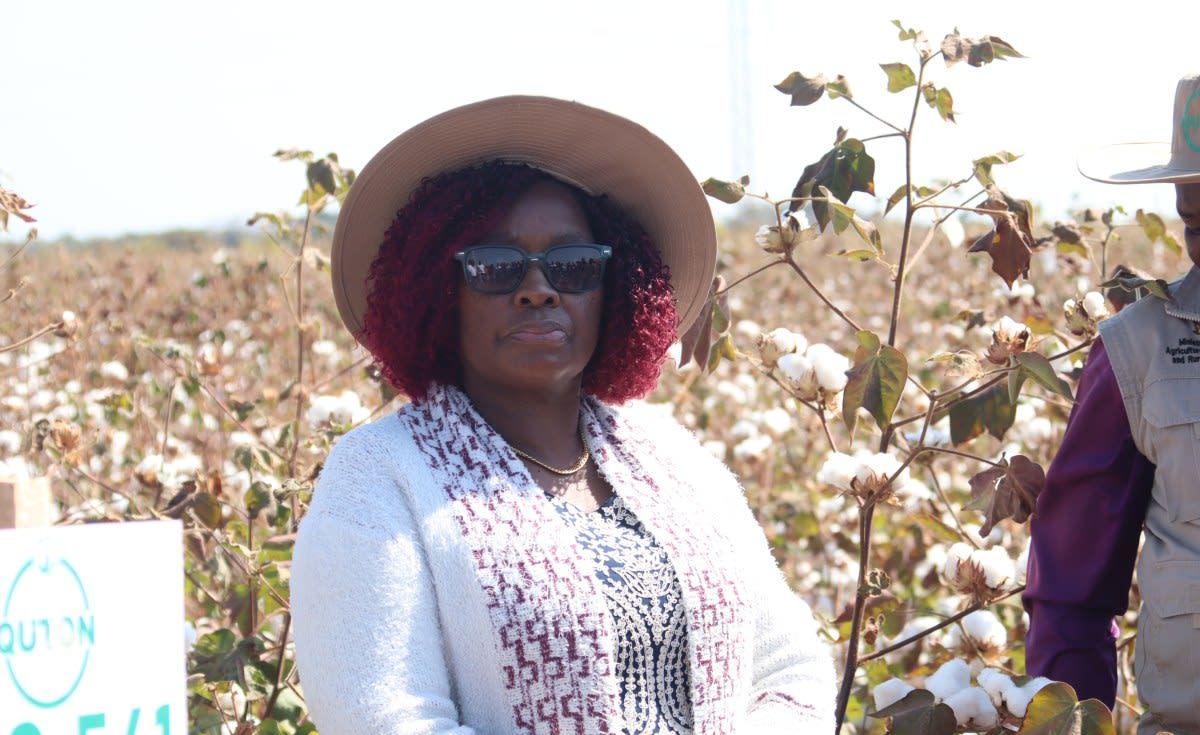
New Cotton Seeds Revive Zimbabwe Farming After 80% Collapse
After Zimbabwe's cotton production crashed from 350,000 tonnes to just 28,000 tonnes in 15 years, new hybrid seeds are giving farmers like 56-year-old Aleck Bikostone hope for a comeback. The climate-resistant varieties are boosting yields and helping restore cotton's role as a lifeline for 350,000 rural families.
For Aleck Bikostone, cotton farming was becoming impossible to justify. The 56-year-old from Chinhoyi watched prices plummet from $1.35 to just 35 cents per kilogram, barely covering his costs while he struggled to pay for his four children's education.
Then he tried hybrid cotton seeds, and everything changed. His yields jumped, production costs dropped, and suddenly the crop that runs in his blood made financial sense again.
Bikostone's turnaround mirrors a quiet revolution happening across Zimbabwe's cotton belt. The country once ranked among Africa's top cotton producers, but climate shocks, pests, and market chaos sent production spiraling from 350,703 tonnes in 2011 to barely 28,000 tonnes this year.
Now hybrid seeds are offering a lifeline. These aren't just regular seeds with a fancy label. They're bred by crossing parent plants to combine drought tolerance, pest resistance, and higher yields into one package.
For farmers facing increasingly unpredictable weather, that combination is game-changing. Arnold Gwengo, another Chinhoyi farmer, says the hybrid varieties stand up to pests and diseases that would devastate traditional crops.
The science backs up their optimism. Nyasha Gandiwa, Head of Research at Quton Seed Company, explains that improved genetics deliver about 50% of a farmer's final yield when combined with good farming practices.
His team in Kadoma and Harare is developing new varieties specifically designed for Zimbabwe's challenging conditions. The goal is simple: make cotton farming viable again for the 350,000 households that depend on it, particularly in areas where few other cash crops can survive.
The government is betting on the comeback too. The Agricultural Marketing Authority projects production will climb to 38,500 tonnes next year, a 33% jump that would mark the first sustained increase in over a decade.
The Ripple Effect
Cotton's revival means more than just better harvests. In Zimbabwe's rural communities, the crop has long been called white gold because it provides cash income where banking services are scarce and alternative jobs don't exist.
When cotton thrives, entire value chains come alive. Seed breeders like Tapiwa Bhiri, who joined the industry last year, are building careers monitoring quality across 50-meter breeding plots. Processors gear up. Transport networks expand.
Bikostone has already seen the personal impact. All four of his children graduated from school on cotton income, even through the worst years. With hybrid seeds now delivering consistent results, he's confident other farmers who abandoned the crop will return.
The transformation isn't complete, but the trajectory has shifted from decline to cautious optimism, one hybrid seed at a time.
Based on reporting by AllAfrica - Headlines
This story was written by BrightWire based on verified news reports.
Spread the positivity!
Share this good news with someone who needs it