New Crocodile Cousin Found After 210 Million Years
Yale scientists discovered a new species of ancient crocodile relative preserved alongside another croc in a 210-million-year-old fossil, revealing how these prehistoric predators diversified long before dinosaurs took over. The pair likely died together in a sudden disaster, giving researchers a rare snapshot of life frozen in time.
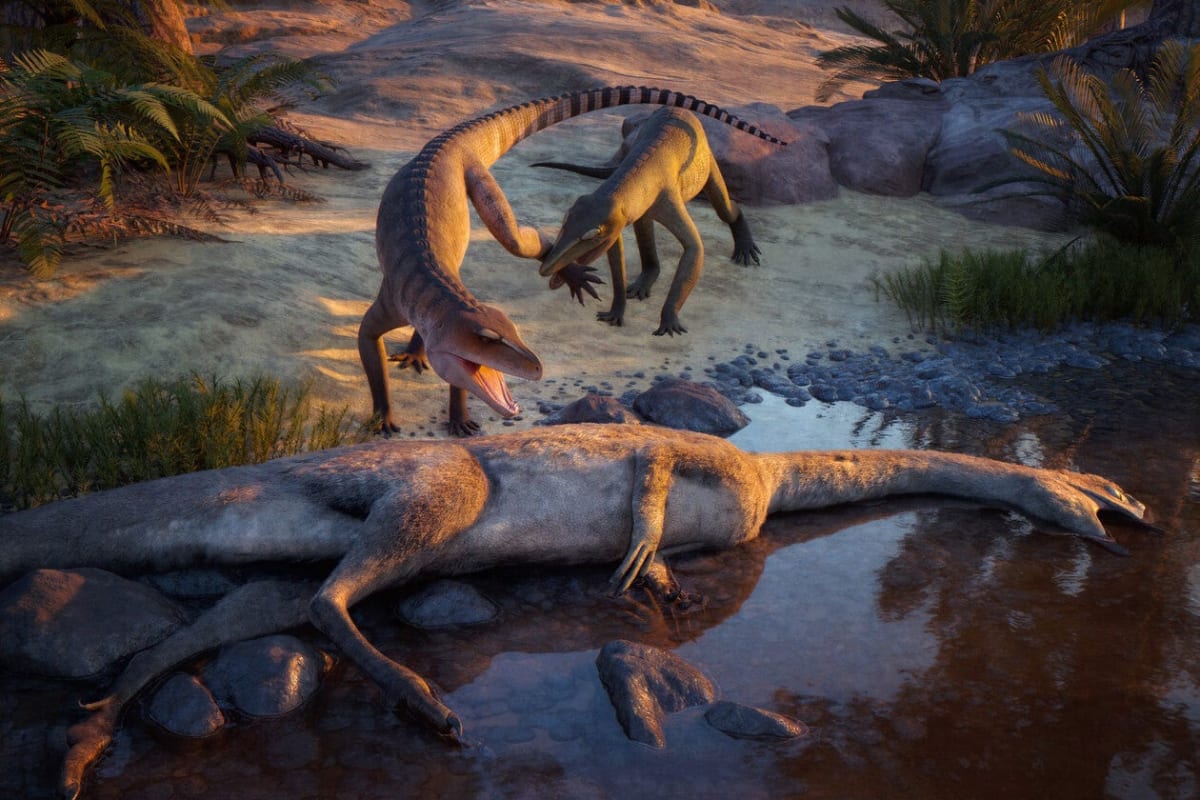
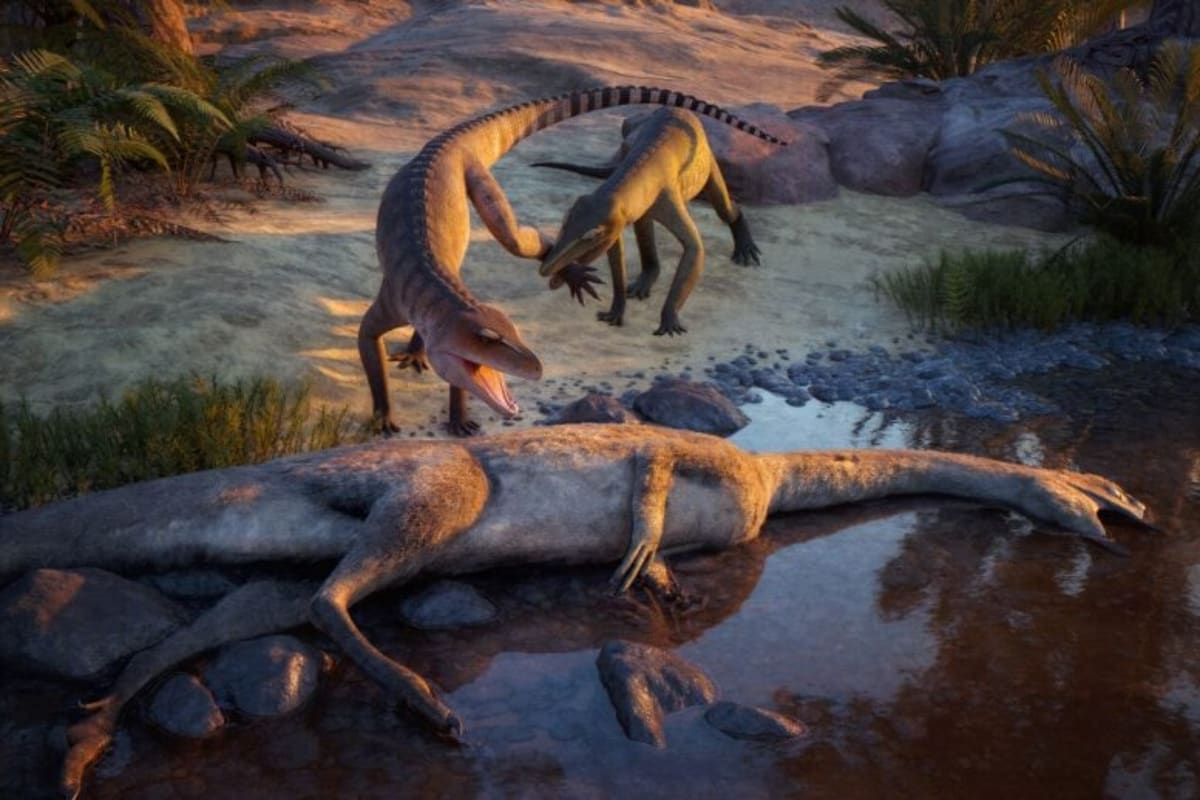
Two crocodile relatives the size of modern jackals stood together on a riverbank 210 million years ago, and then disaster struck. They died in the same moment, likely caught in a flash flood or mudslide, and remained buried together until Yale researchers discovered something remarkable hidden in their museum collection.
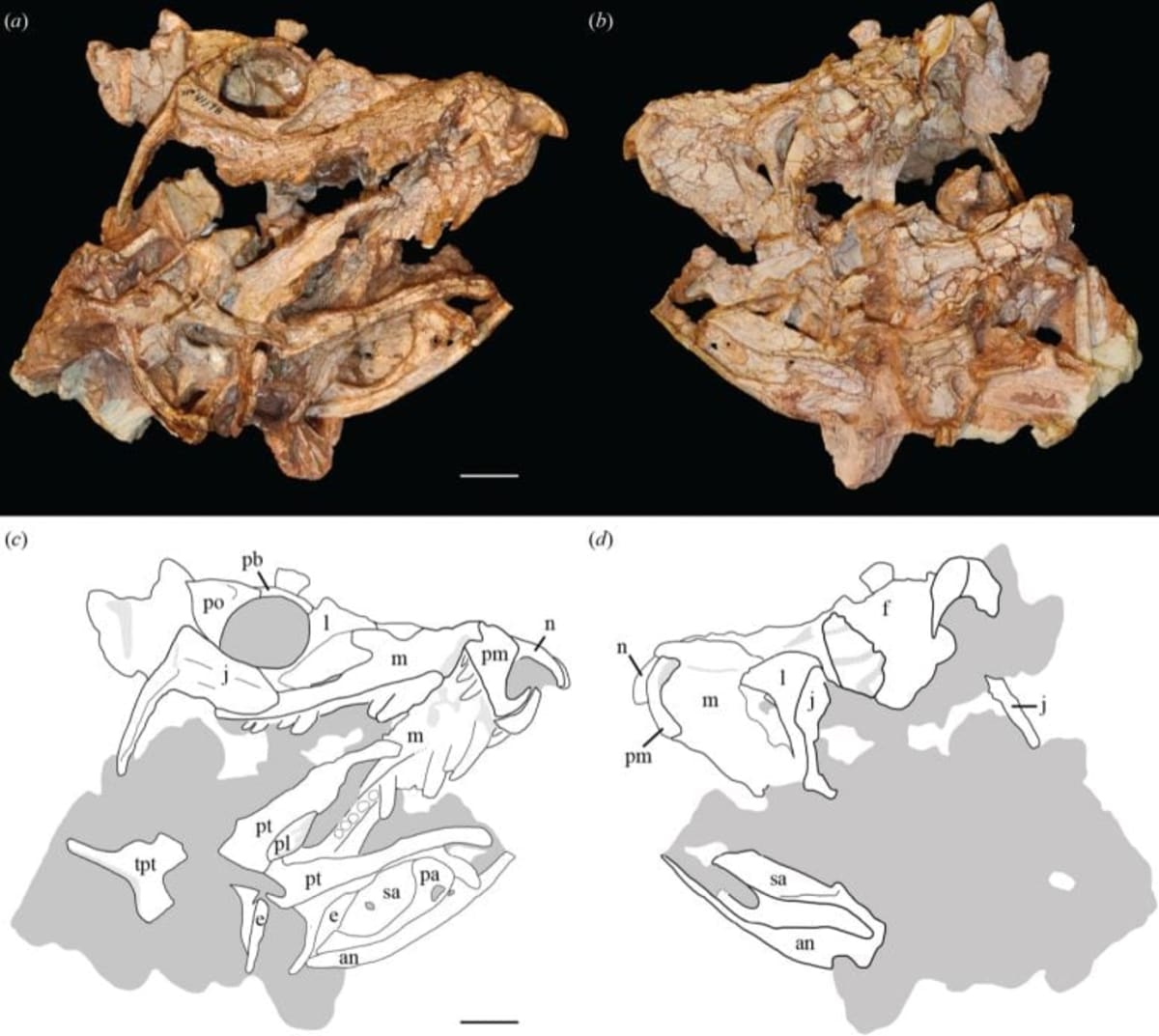
One of the fossils had been sitting at Yale's Peabody Museum since 1948, labeled as a known species called Hesperosuchus. But when Bhart-Anjan Bhullar, a Yale paleontologist, took a closer look, something didn't add up.
The skull structure was different. The snout was shorter, the jaw muscles larger, built for catching bigger prey than its long-snouted companion.
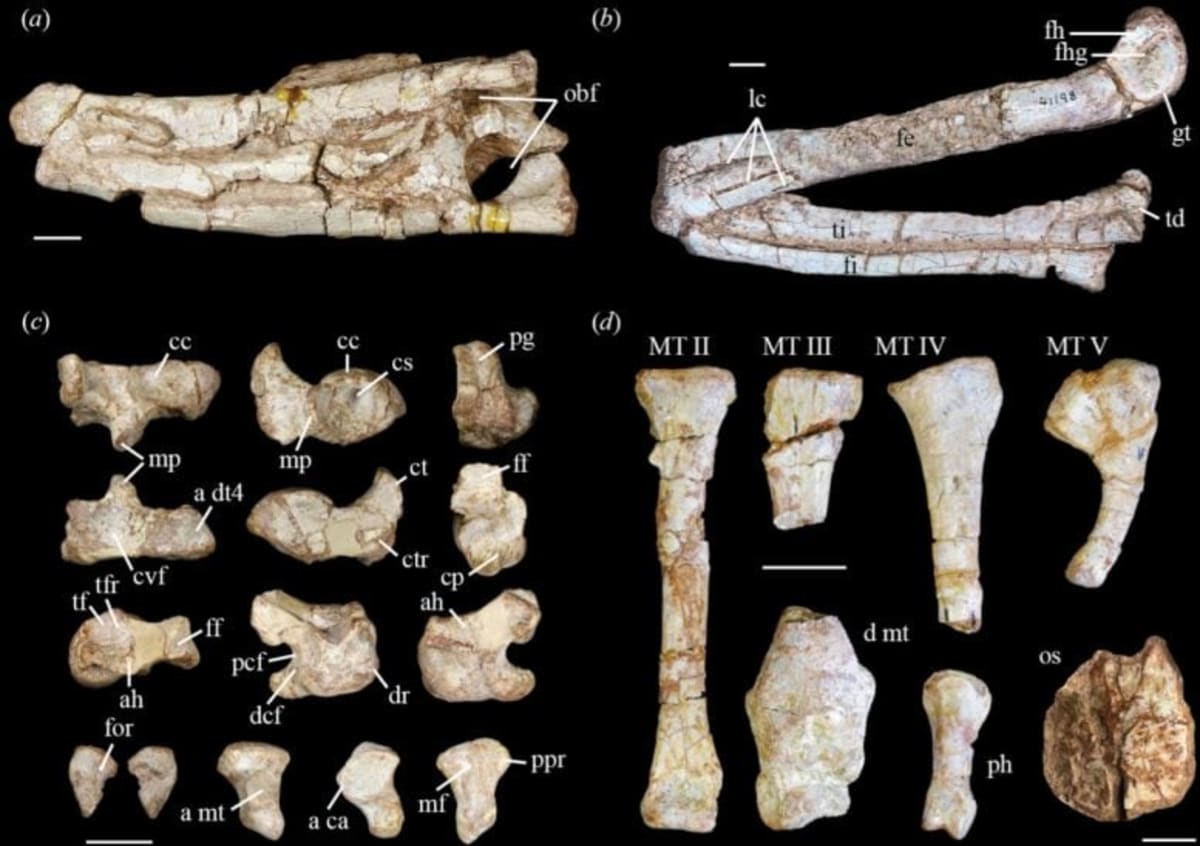
Graduate student Miranda Margulis-Ohnuma used CT scans to digitally separate the fossil bone by bone. What she found confirmed their hunch: this wasn't Hesperosuchus at all, but an entirely new species they named Eosphorosuchus lacrimosa, meaning "dawn-bringer crocodile."
The discovery rewrites what scientists know about the late Triassic period, when reptiles ruled the world. Back then, two dynasties fought for dominance: the ancestors of modern crocodiles and alligators on one side, and the ancestors of birds and dinosaurs on the other.
Plot twist: the early dinosaurs were delicate, heron-like creatures walking on slender legs. The crocodile relatives were the fierce predators, built low and heavy like jackals or foxes, running fast on four powerful legs.
The Ghost Ranch site in New Mexico where these fossils were found is one of those rare places where everything lines up perfectly. Scientists can confirm these two animals lived in the same ecosystem at the same time, competing for food and territory along humid riverbanks.
The Bright Side
This discovery proves that museums hold treasures still waiting to be found. A fossil can sit on a shelf for 75 years, and then new technology and fresh eyes can reveal secrets that change our understanding of ancient life.
Finding two species preserved together is exceptionally rare. It shows how closely related animals evolved different features to fill different roles in their ecosystem, one with a long snout for quick strikes, the other with powerful jaws for crushing larger prey.
Bhullar puts it beautifully: "These two individuals had to compete and interact with each other. They were quite possibly looking at each other when they died." It's a moment frozen in stone, a snapshot of life 210 million years ago that still has stories to tell.
Museum collections around the world likely hold similar surprises, waiting for the next curious scientist to take another look.
More Images
Based on reporting by Google: fossil discovery
This story was written by BrightWire based on verified news reports.
Spread the positivity!
Share this good news with someone who needs it