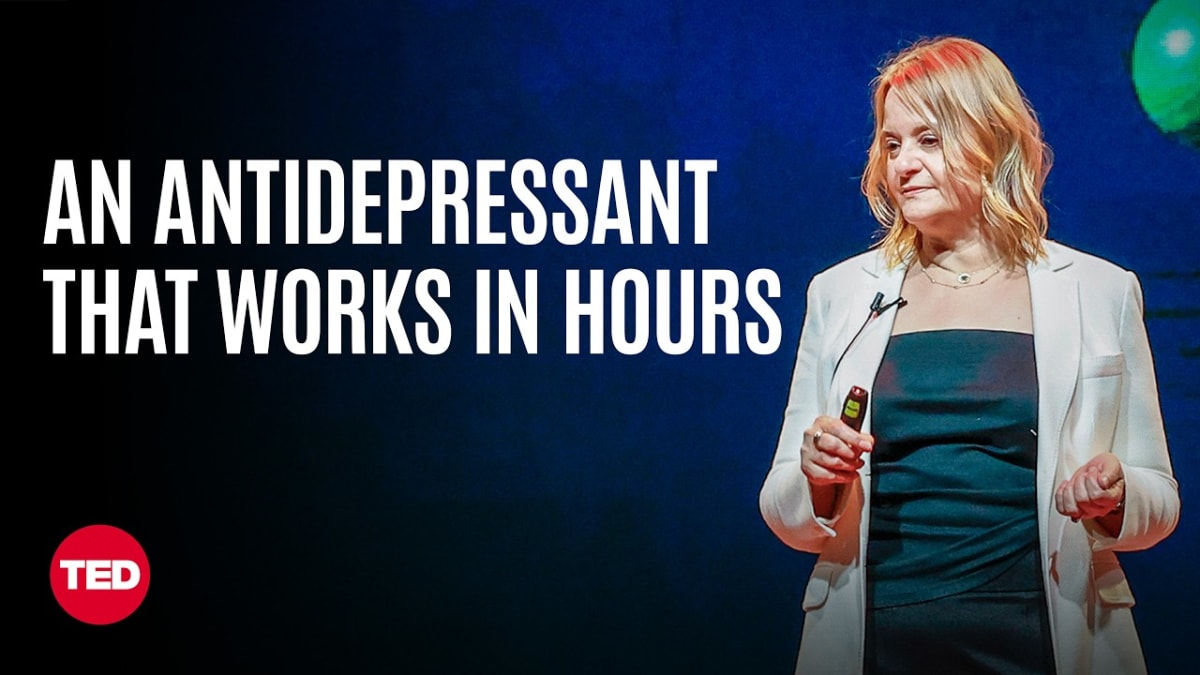
New Depression Drug Works in Hours, Not Weeks
A neuroscientist reveals that depression isn't just a chemical imbalance, and a decades-old drug could offer relief within hours instead of weeks. The discovery could transform how millions of people find help for depression.
What if everything we thought we knew about depression was incomplete, and a breakthrough was hiding in plain sight?
Neuroscientist Lisa Monteggia just shared research at TEDxNashvilleWomen that challenges decades of thinking about depression treatment. The old idea that depression comes purely from a chemical imbalance in the brain doesn't tell the whole story.
For years, most antidepressants have worked by targeting serotonin and other brain chemicals. The problem is they take weeks to work, leaving people struggling while they wait for relief.
Monteggia's research points to a different approach. She's studying how a decades-old drug works in a completely new way to treat depression, and the results are stunning: it could offer relief within hours, not weeks.
The drug doesn't just adjust chemical levels in the brain. Instead, it appears to work through different biological pathways that scientists are only beginning to understand.
Why This Inspires
This isn't about abandoning current treatments. It's about expanding our understanding of what depression really is and how we can help people faster.
For the millions of people worldwide who live with depression, waiting weeks for medication to work can feel like an eternity. Hours of relief instead of weeks could mean the difference between hope and despair for someone in crisis.
Monteggia's work represents the kind of scientific curiosity that leads to real breakthroughs. By questioning established ideas and following the evidence, researchers are opening new doors for treatment.
The research is still ongoing, but the potential is enormous. If fast-acting depression treatments become widely available, they could transform mental health care and give people their lives back faster than ever before.
This discovery reminds us that even our most confident scientific understanding can evolve, and sometimes the answers we need have been waiting for us to ask better questions.
Based on reporting by TED
This story was written by BrightWire based on verified news reports.
Spread the positivity!
Share this good news with someone who needs it