New Device Finds 582 Extra Eggs for Fertility Patients
A groundbreaking device found additional eggs in fertility treatment fluid that was about to be thrown away, helping more than half of 582 patients. One couple already welcomed a healthy baby thanks to an egg that would have been discarded.
Scientists have discovered that fertility clinics have been accidentally throwing away perfectly good eggs that could help people become parents.
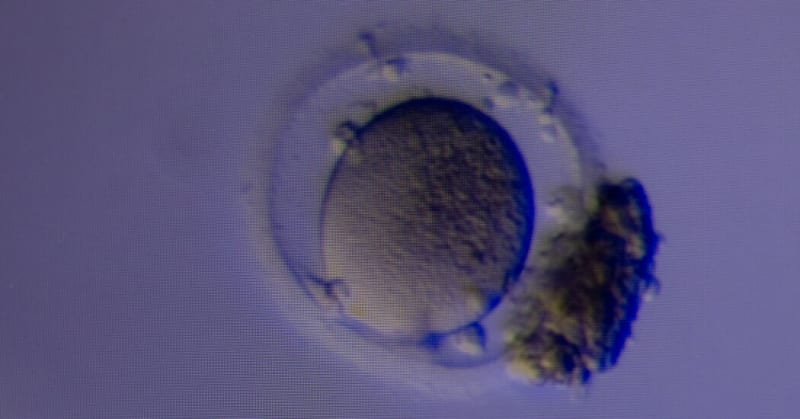
A new device called OvaReady found extra eggs in samples from 316 out of 582 patients at four fertility clinics. The eggs were hiding in fluid that doctors had already searched by hand with microscopes and were about to discard.
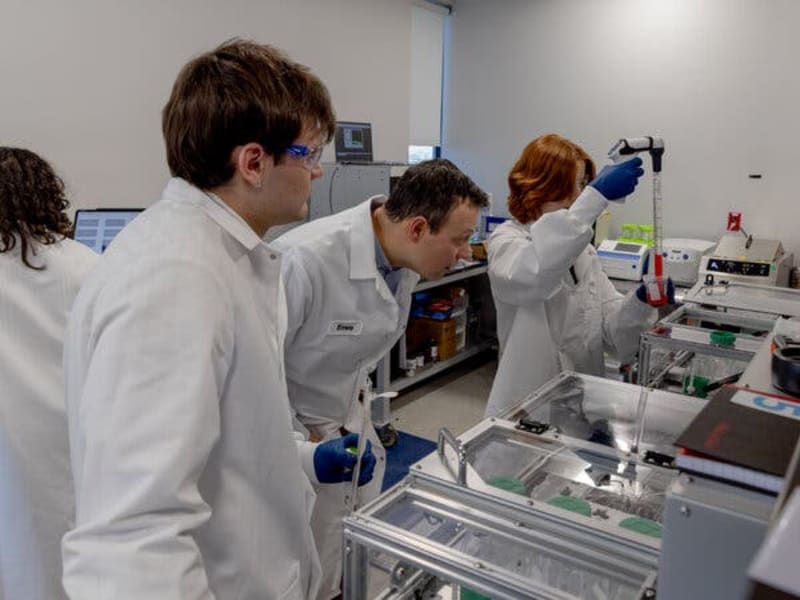
The technology works like an automated pinball machine, running the fluid through tiny bumpers and lanes to catch eggs that human eyes missed. Across all patients, it recovered 582 additional eggs that would have been lost forever.
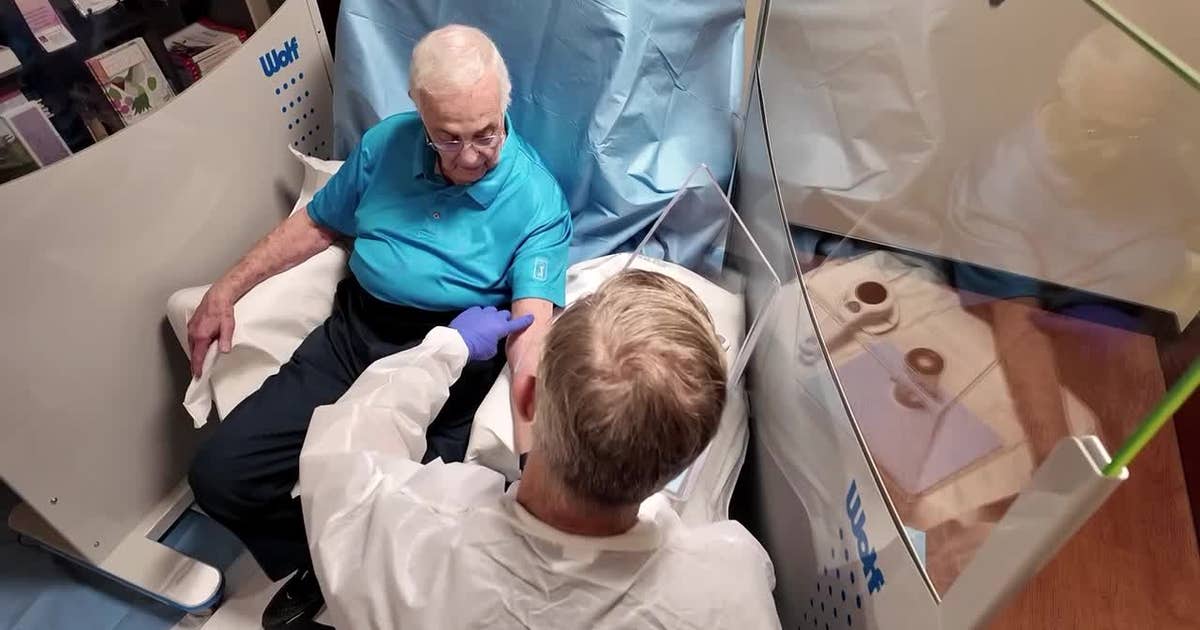
For one couple who had been trying to conceive for 18 months, the discovery changed everything. Their fertility clinic had already searched their sample the conventional way and found no usable eggs.
"We just lost all hope and had to start grasping at straws," said the father, 35. When doctors offered to run their fluid through the new device, they immediately agreed.
The device found eggs that manual searching had missed. One of those eggs became an embryo, then a pregnancy, and in September, a healthy baby girl was born.
"It found eggs that otherwise would have been discarded," the mother, 33, said.
Why This Inspires
The study, published in Nature Medicine and supported by the National Institutes of Health, shocked even fertility experts. Researchers expected the device might find missed eggs in about 10 percent of cases, not more than half.
"It's very, very surprising," said Dr. Mitchell Rosen, who directs reproductive laboratories at UC San Francisco. "They were finding eggs that we wouldn't otherwise have had the potential to use."
The technology could make fertility treatment more accessible and affordable. Finding more eggs from a single collection means patients might need fewer treatment cycles, which can cost thousands of dollars each and take an emotional toll.
AutoIVF, the Massachusetts company behind the device, is now working with the Food and Drug Administration to get approval for widespread clinical use. In the meantime, some clinics can offer it as part of research programs.
Fertility experts say larger studies are needed to confirm how many of these recovered eggs will lead to healthy babies. But early signs look promising. Scientists confirmed the extra eggs weren't damaged or unusable. They were viable eggs that simply got missed during manual searches.
Some clinics plan to process all patient fluid through the device, while others will use it as a safety check after conventional searching.
For couples facing fertility challenges, this technology offers something precious: hope that wasn't there before, found in places no one thought to look closely enough.
More Images


Based on reporting by Google News - New Treatment
This story was written by BrightWire based on verified news reports.
Spread the positivity!
Share this good news with someone who needs it