New $0.01 Thermal Camera Lens Can Self-Repair
Scientists just invented a thermal imaging lens that costs a penny to make, can be repaired if damaged, and works as well as traditional lenses costing thousands. The breakthrough could bring night vision and heat detection to everyday smartphones and home devices.
Drop your thermal camera and you might be out hundreds or thousands of dollars for a new lens, but researchers at Flinders University in Australia just changed that reality forever.
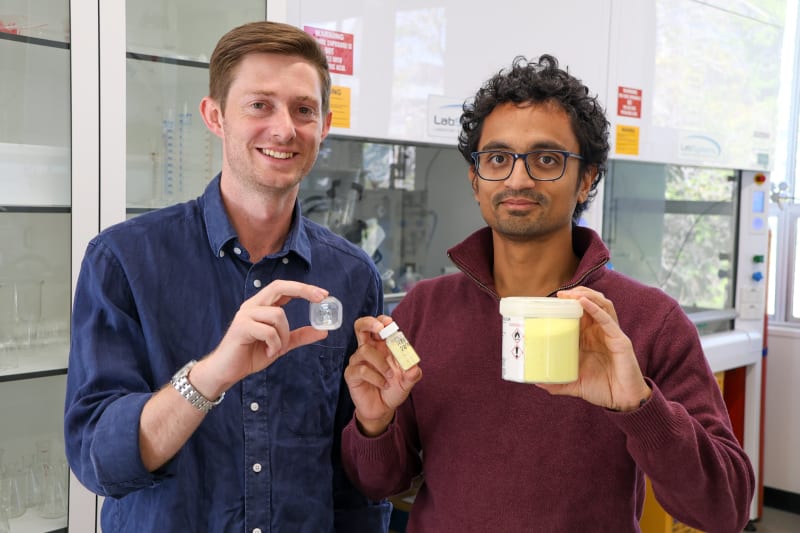
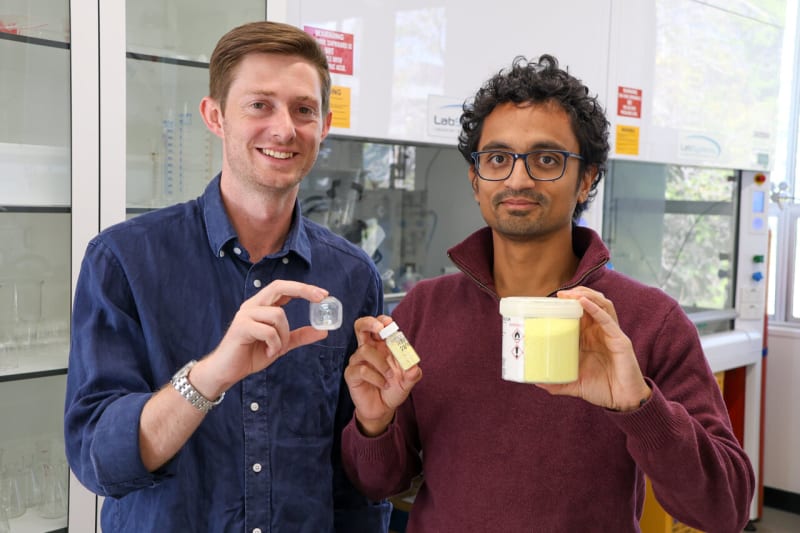
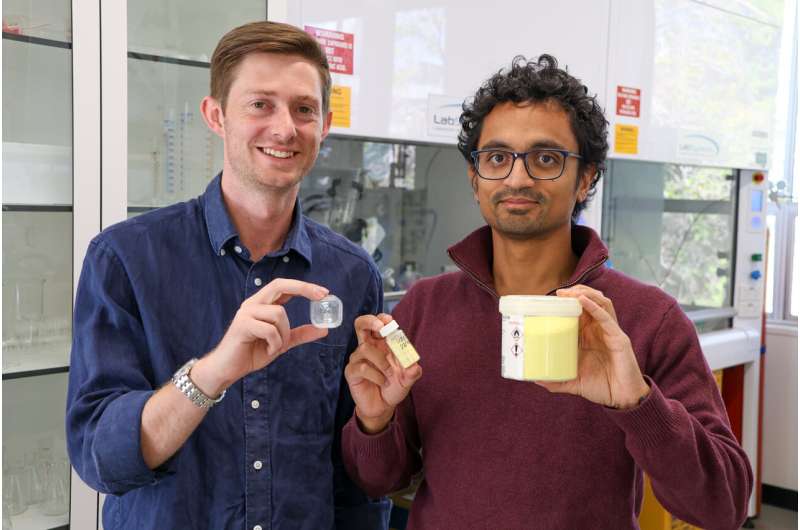
Scientists have created a high-performance infrared lens made from sulfur and other common materials that costs less than one cent to produce. The lens works just as well as traditional germanium lenses but can be molded like plastic, repaired if broken, and fully recycled.
Professor Justin Chalker, who led the research team, explains that millions of tons of surplus sulfur sit unused each year as a byproduct of petroleum refining. His team figured out how to transform this abundant waste material into valuable technology that addresses a growing need.
Thermal imaging cameras detect heat from objects and are becoming essential for fire detection, wildlife monitoring, self-driving cars, and energy-efficient appliances. As more consumer products incorporate this technology, the expensive traditional lenses have become a major barrier to widespread adoption.
The new polymer lens can be manufactured rapidly through molding, similar to how plastic products are made. This manufacturing advantage means mass production becomes economically feasible for everyday consumer devices.
Dr. Samuel Tonkin, the study's first author, remembers the excitement of mounting their lens on a thermal camera for the first time and seeing a clear image appear. That moment in the lab has now grown into published research in Nature Communications with applications spanning from smartphones to space exploration.
The team is already collaborating with NASA scientists to explore uses in planetary science imaging. Dr. Harshal Patel, another researcher on the project, plans to use the technology personally for searching wildlife at night.
The Ripple Effect
The implications extend far beyond cheaper cameras. When thermal imaging becomes affordable enough for consumer-level prices, entire industries transform. Fire detection systems could become standard in every home instead of luxury additions. Smart air conditioners could detect where people are in rooms and adjust temperatures accordingly, saving energy. Driver-assist systems could spot pedestrians and animals on dark roads, preventing accidents.
Smartphone manufacturers could add infrared cameras without significantly increasing costs, giving everyday people the ability to detect heat loss in their homes, find pets in the dark, or identify electrical problems before they become dangerous. The recyclable nature of the lenses also means less electronic waste in landfills as devices age.
The research team estimates their discovery could revolutionize the thermal camera and sensor market worth billions annually. What started as a question about repurposing waste sulfur has become a sustainable solution that makes advanced imaging technology accessible to everyone.
From lab breakthrough to everyday innovation, this penny lens proves that the best solutions often come from reimagining what we already have.
More Images

Based on reporting by Phys.org - Technology
This story was written by BrightWire based on verified news reports.
Spread the positivity!
Share this good news with someone who needs it