New Drug Combo Fights Kidney Disease in 12M Americans
Mayo Clinic researchers discovered a promising treatment that targets harmful "zombie cells" in diabetic kidneys, potentially helping over 12 million Americans. The short-term therapy improved kidney function and reduced inflammation in groundbreaking studies.
Scientists just found a way to fight back against the cells slowly destroying kidneys in millions of Americans with diabetes.
Mayo Clinic researchers discovered that combining a cancer drug called dasatinib with quercetin, a naturally occurring plant compound, can reduce the damage caused by stubborn "zombie cells" in diabetic kidneys. These senescent cells refuse to die naturally and stick around in tissues, triggering inflammation and contributing to disease.
The findings matter because diabetic kidney disease affects more than 12 million people in the United States alone. It's the leading cause of kidney failure, and while current treatments can slow damage, there's still no cure.
Dr. LaTonya Hickson, a nephrologist at Mayo Clinic in Florida who led the study, calls the results encouraging. "Our study found that the combination therapy, given over a short period of time, reduced the abundance of senescent cells and also improved kidney function," she says.
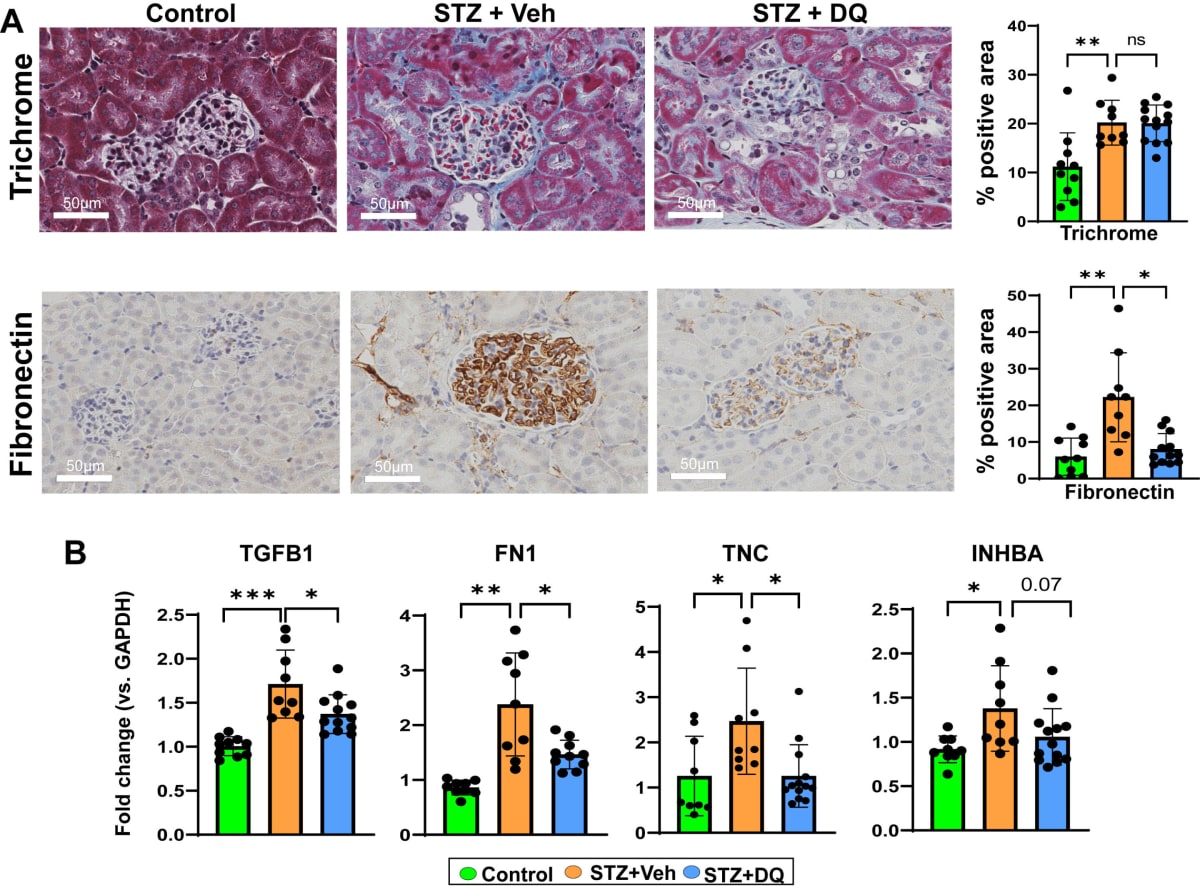
The research team tested the combination in laboratory models of diabetic kidney disease. They found it improved kidney function while reducing injury, senescent cells, and inflammation. The treatment also boosted protective factors that help kidneys stay healthy.
What makes this approach special is its simplicity. Rather than requiring ongoing medication, the therapy works as a short course treatment. Think of it like a targeted cleanup crew that comes in, removes the troublemakers, and lets healthy tissue recover.
The team had already tested the combination in human patients in a pilot trial. That study showed the therapy reduced senescent cells in skin and fat tissue. But proving it worked in kidneys without invasive procedures was crucial.
Dr. Xiaohui Bian, who conducted the research as a postdoctoral fellow at Mayo Clinic, explains the significance. "It was important to prove that this one-time, short-course treatment has an effect on the kidneys," he says.
The Bright Side
This research opens doors for the millions living with diabetic kidney disease who currently face limited options. The combination therapy uses dasatinib, an already approved cancer drug, alongside quercetin, a compound found naturally in foods like apples and onions.
The results from both laboratory models and human tissue studies now point toward the same conclusion: targeting zombie cells could transform how doctors treat kidney damage from diabetes. Dr. Hickson believes larger clinical trials should move forward to test this approach in more patients.
For people watching their kidney function decline despite managing their diabetes carefully, this research offers something precious: genuine hope for halting the damage.
More Images
Based on reporting by Google News - Disease Cure
This story was written by BrightWire based on verified news reports.
Spread the positivity!
Share this good news with someone who needs it