New Drug Combo Shrinks Pancreatic Tumors in Mice
Scientists in Spain have developed a three-drug combination that completely eliminated pancreatic tumors in lab models for over 200 days without resistance. The breakthrough targets one of the deadliest cancers from multiple angles simultaneously.
Researchers at Spain's National Cancer Research Centre just achieved something remarkable: they made pancreatic tumors disappear completely in mice, and the cancer didn't come back.
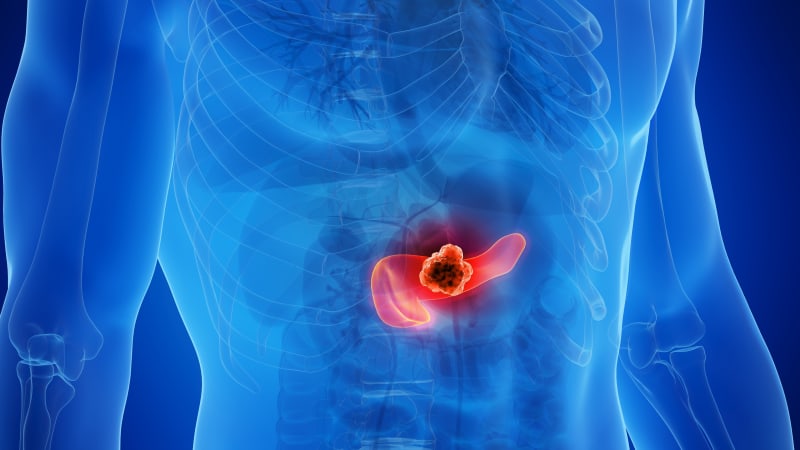
Pancreatic cancer is one of the most lethal cancers we face, with very few patients surviving five years after diagnosis. Current treatments rarely work because the tumors quickly become resistant to drugs.
The Spanish team tried something different. Instead of attacking the cancer from one angle, they hit it with three drugs at once, each targeting a different pathway the cancer uses to survive and grow.
The combination includes daraxonrasib (which targets KRAS mutations found in most pancreatic cancers), afatinib (blocking growth signals), and SD36 (shutting down a survival pathway called STAT3). Together, these drugs work like closing three escape routes at the same time.
The results stunned even the researchers. Tumors didn't just shrink, they vanished completely in the mouse models. Even more impressive, the cancer stayed gone for over 200 days after treatment stopped, with no signs of the dreaded resistance that typically dooms pancreatic cancer therapies.
The team tested their approach in three different types of lab models. First came specially engineered mice with tumors mimicking human pancreatic cancer. Then they tried genetically engineered mouse tumors. Finally, they tested actual human pancreatic cancer tissue transplanted into mice.
All three models showed dramatic tumor regression. The therapy worked across the board, suggesting it might help many different patients when it reaches human trials.
Why This Inspires
Pancreatic cancer has remained stubbornly difficult to treat for decades. Patients and families facing this diagnosis have had few reasons for hope, with most treatments only extending life by months rather than years.
This triple-drug approach represents a fundamental shift in strategy. By simultaneously blocking multiple pathways cancer cells use to survive, the treatment leaves tumors with nowhere to hide and no way to adapt.
The therapy was also well tolerated in the animal models, meaning it didn't cause severe side effects even while completely eliminating tumors. That's crucial because effective treatments that make patients too sick to continue are ultimately unsuccessful.
The research team believes these results provide a clear roadmap for designing human clinical trials. While years of testing lie ahead before this combination could reach patients, the preclinical data is stronger than what researchers typically see at this stage.
For the thousands of people diagnosed with pancreatic cancer each year, this represents the kind of scientific breakthrough that could eventually transform a devastating diagnosis into a treatable condition.
More Images

Based on reporting by Google News - Health
This story was written by BrightWire based on verified news reports.
Spread the positivity!
Share this good news with someone who needs it