New Drug Cuts Frostbite Amputations to Nearly Zero
A game-changing medication is saving fingers and toes at an Ohio hospital where severe frostbite cases have doubled this winter. Patients who once faced certain amputation are now keeping their limbs, thanks to a treatment with a stunning 100% success rate in clinical trials.
Doctors at Akron Children's Hospital are witnessing something remarkable this brutal winter: patients with severe frostbite are walking out with all their fingers and toes intact.
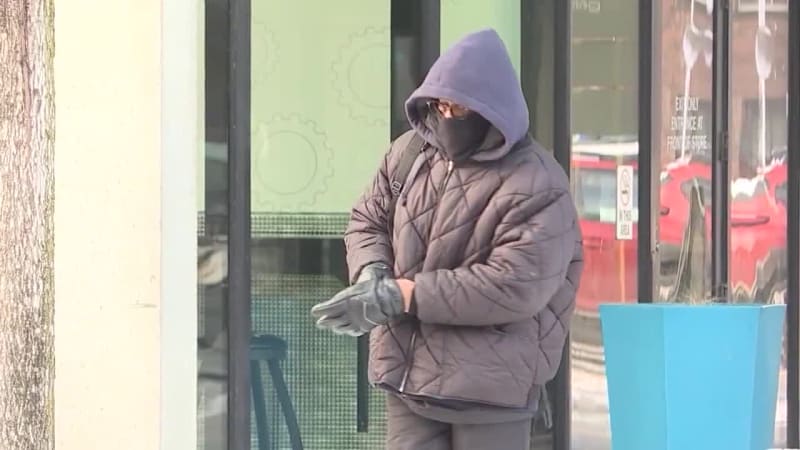
The hospital has treated more frostbite cases in the first half of this winter season than in all of last year combined. Between 15 and 25 patients arrived with tissue damage so severe that amputation seemed inevitable.
Then came Iloprost, a medication Dr. Deepak Ozhathil calls an absolute game changer. The drug works by opening up constricted blood vessels and preventing platelets from clumping together, restoring life-saving blood flow to frozen fingers and toes before the tissue dies.
The results speak for themselves. While 60% of patients receiving other medications still needed amputations in FDA trials, only 19% of those getting Iloprost alongside other drugs faced that outcome. Among patients who received Iloprost alone, the amputation rate dropped to zero.
Akron Children's Hospital is one of just two facilities in Ohio and roughly 30 nationwide currently offering this treatment. The FDA approved Iloprost for frostbite in 2024, though doctors in Canada and Europe have used it successfully for years to treat other conditions.
The medication offers another crucial advantage: it works up to 72 hours after symptoms begin. That wider window gives more patients a fighting chance, even if they delay seeking treatment.
Frostbite occurs when extreme cold causes blood vessels to squeeze shut, cutting off oxygen and nutrients to extremities. Early warning signs include numbness, tingling, and redness that progresses to purple, then black as tissue begins dying.
Dr. Ozhathil stresses that prevention remains the best approach. Limiting time outdoors during deep freezes, wearing proper winter gear, and heading inside at the first signs of frost nip can stop frostbite before it starts.
Why This Inspires
This winter's harsh reality has become a proving ground for medical innovation. What makes this story so powerful isn't just the dramatic drop in amputations, but the timing: a treatment arriving exactly when it's needed most, transforming what would have been life-altering injuries into full recoveries. Every saved finger and toe represents someone who can still button their coat, tie their shoes, and live without permanent reminders of one terrible cold day.
The technology existed, the research was done, and now it's reaching patients at the critical moment when bitter cold is testing human limits across the region.
More hospitals are expected to adopt this protocol as word spreads about its effectiveness. For now, those 15 to 25 patients at Akron Children's Hospital represent the front line of a medical breakthrough that's keeping people whole.
More Images



Based on reporting by Google News - New Treatment
This story was written by BrightWire based on verified news reports.
Spread the positivity!
Share this good news with someone who needs it