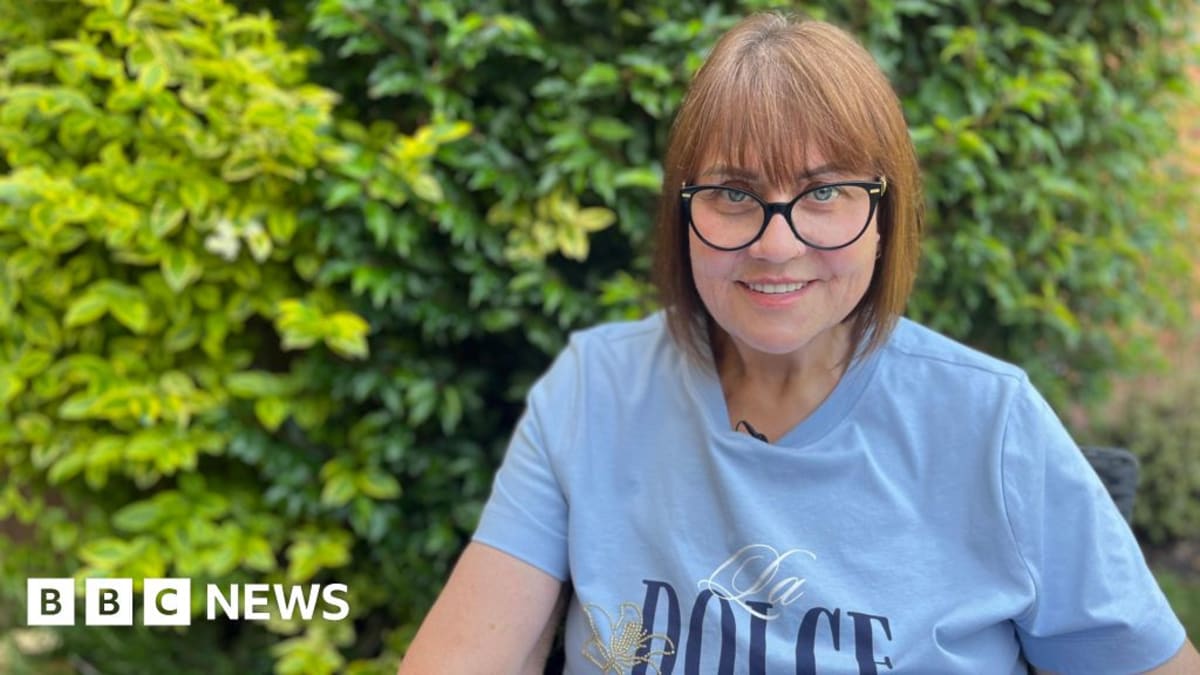
New Drug Delays Type 1 Diabetes by 3 Years in Australia
Australian patients diagnosed early with type 1 diabetes can now access a breakthrough therapy that delays their need for daily insulin by up to three years. The treatment marks the first time doctors can slow the disease before symptoms appear, rather than waiting until the body stops producing insulin.
For the first time in over a century, doctors in Australia can delay type 1 diabetes before patients need daily insulin injections.
Teplizumab, a new therapy approved by the TGA, targets the immune cells that destroy insulin-producing cells in the pancreas. By giving the body a break from this autoimmune attack, the treatment slows disease progression by an average of two to three years.
"It's a fundamental shift in how we treat people with type 1 diabetes," says Dr. Dorota Pawlak, Chief Scientific Officer at Breakthrough T1D. Instead of waiting until the body completely loses its ability to make insulin, patients can now rely on their own insulin production for longer.
The therapy works because scientists recently discovered type 1 diabetes begins years before symptoms appear. They identified three stages: first, autoantibodies attack insulin-producing cells silently. Then blood sugar starts becoming irregular, but patients feel fine. Finally, symptoms like excessive thirst emerge and insulin therapy becomes necessary.
Teplizumab catches the disease in stage two. Patients receive daily infusions for 14 days under medical supervision. While side effects like initial immune reactions can occur, most cases respond well to over-the-counter medications.
More than 145,000 Australians live with type 1 diabetes today. The disease typically strikes in childhood and requires lifelong insulin management.
The treatment currently faces one major barrier: cost. At US$200,000 per course, it remains out of reach for most families. However, the Pharmaceutical Benefits Advisory Committee is now reviewing Tzield for PBS listing, which would make it affordable for eligible Australians.
England and Wales recently approved the therapy for free distribution through their national healthcare system. Dr. Pawlak sees this as an encouraging sign for Australia's path forward.
The Ripple Effect
Early detection opens new possibilities beyond treatment. Pharmacists can now perform simple finger-prick blood tests to screen for the autoantibodies that signal stage one diabetes. The test uses paper blotting and mail-in pathology, making it accessible in pharmacies, homes, or community settings.
Currently, screening focuses on people with family history, who carry 10 to 15 times higher risk. But family history accounts for only 15% of new diagnoses, meaning most cases remain undetected until symptoms force emergency hospital visits.
Broader screening could identify thousands of Australians in early stages, giving them years to prepare and potentially access treatment before their bodies stop making insulin entirely. Some countries already approve teplizumab for children as young as one year old.
Australia's approval represents the beginning of a new era where type 1 diabetes becomes a manageable condition rather than an overnight medical emergency.
More Images

Based on reporting by Google News - Australia Breakthrough
This story was written by BrightWire based on verified news reports.
Spread the positivity!
Share this good news with someone who needs it