New Drug May Shield Brain From Radiation Side Effects
Cancer patients face a cruel trade-off: radiation therapy saves their lives but often damages their memory and mental health for years afterward. Scientists just discovered a way to protect the brain while still fighting the cancer.
Whole brain radiation therapy has saved countless lives by stopping cancer that spreads to the brain, but the treatment comes with a devastating price. Patients often develop lasting memory problems, difficulty thinking clearly, and depression that can persist for decades after treatment ends.
Researchers at University Hospitals, Case Western Reserve University, and the Louis Stokes Cleveland VA Medical Center have made a discovery that could change everything. An experimental drug called P7C3-A20 protected mice from brain damage caused by radiation without reducing the cancer-fighting power of the treatment.
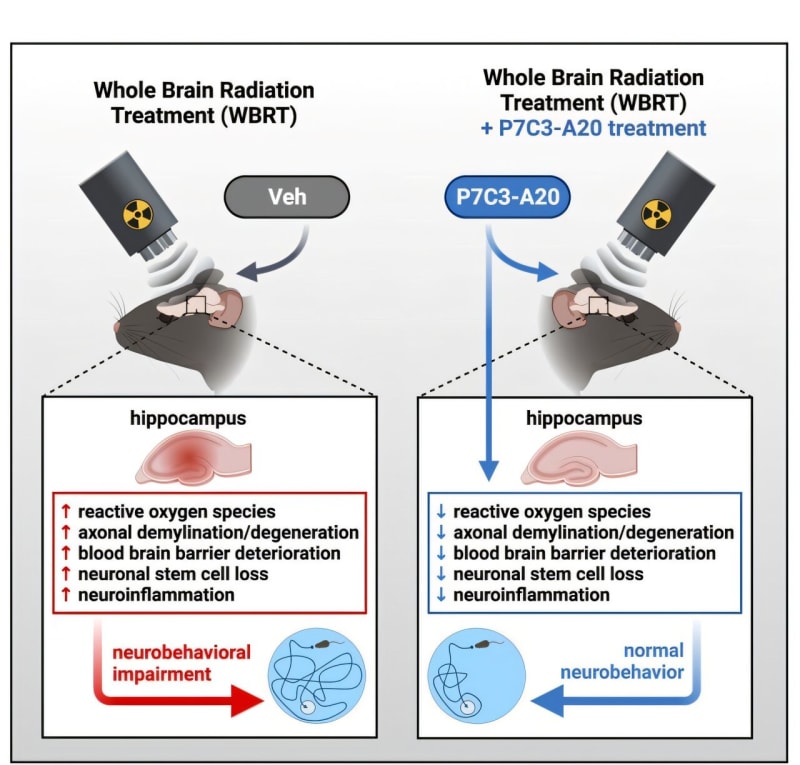
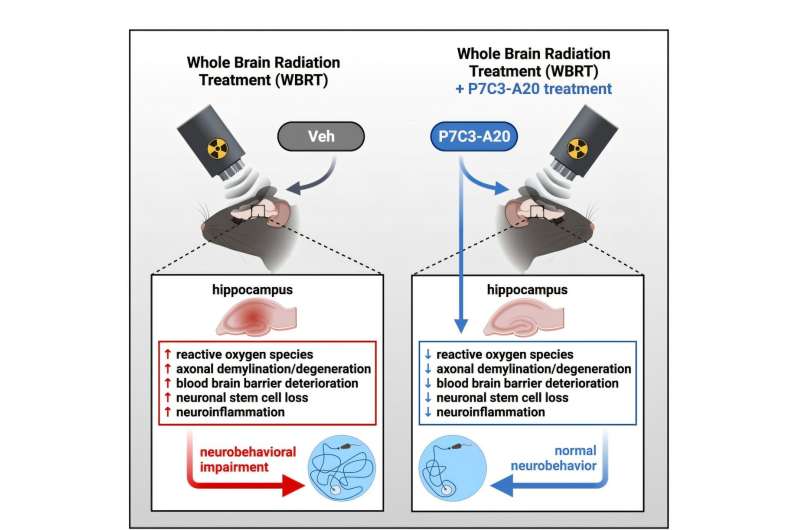
The drug works by stabilizing the brain's energy balance and blocking the chronic oxidative stress that radiation creates. This stress hits hardest in the hippocampus, the brain region responsible for learning, memory, and mood.
In the yearlong study, mice treated with daily P7C3-A20 maintained their memory and showed no depression-like behaviors after receiving whole brain radiation. The untreated mice experienced cognitive decline and mood problems that lasted the entire year, equivalent to decades in human terms.
Dr. Andrew Pieper, senior author of the study and University Hospitals Chair of Neuropsychiatry, emphasized the breadth of protection. The drug suppressed brain inflammation, protected nerve cells and supporting brain cells called microglia, and even prevented the blood-brain barrier from breaking down.
Why This Inspires
Cancer patients already carry an enormous burden. They face difficult treatment decisions, physical suffering, and uncertainty about the future.
The possibility that they might soon avoid choosing between killing their cancer and protecting their mind offers real hope. Nobody should have to trade their memories and mental health for more years of life.
The research team is now testing different radiation schedules and doses to find the shortest effective treatment window. If these results translate to humans, patients could maintain their quality of life while still receiving life-saving cancer treatment.
For the first time, cancer patients may keep both their lives and their minds intact.
More Images
Based on reporting by Medical Xpress
This story was written by BrightWire based on verified news reports.
Spread the positivity!
Share this good news with someone who needs it