New Drug Shrinks Tumors in Hard-to-Treat Lung Cancer
A groundbreaking therapy is showing real promise against cancers long considered impossible to treat, shrinking tumors in patients who'd run out of options. The experimental drug targets a genetic mutation affecting thousands of lung and pancreatic cancer patients each year.
For the first time, doctors have found a way to attack one of cancer's most stubborn enemies, and it's giving hope to patients with advanced lung and pancreatic tumors.
A new experimental drug called setidegrasib shrank tumors in patients with cancers driven by a genetic mutation called KRAS G12D. This mutation has been called "undruggable" for decades because its structure makes it nearly impossible for medications to latch onto.
The international trial included 203 patients whose cancers had already progressed through other treatments. At 28 medical centers across five countries, researchers tested the drug and found something remarkable.
Among lung cancer patients who received the recommended dose, 36% saw their tumors shrink. The cancer stayed under control for about 8 months on average. For pancreatic cancer patients, 24% experienced tumor shrinkage, with patients surviving an average of 10 months despite being heavily pretreated.
"These are early but meaningful signals in cancers where targeted treatment options have been scarce," said Dr. Jonathan Goldman, who co-led the study at UCLA Health. The research appeared in the New England Journal of Medicine.
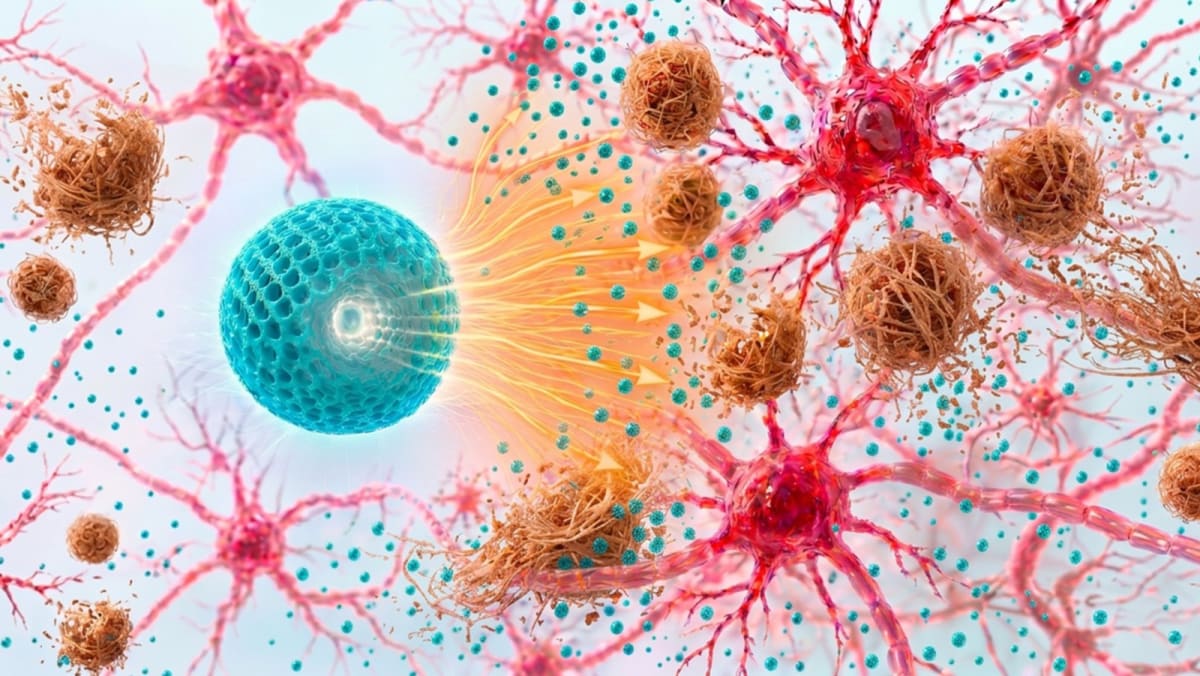
What makes setidegrasib different is how it works. Most cancer drugs try to block problem proteins, but this therapy actually removes the mutated KRAS protein from inside cancer cells. It's like the difference between handcuffing a burglar versus escorting them out of the building entirely.
The KRAS G12D mutation drives about 40% of pancreatic cancers and 5% of lung cancers. That translates to thousands of American patients each year who face cancers with very few good treatment options.
The Ripple Effect
Beyond these specific patients, this approach could change how we fight cancer altogether. Scientists are already developing similar drugs that eliminate other cancer-driving proteins instead of just blocking them.
The treatment was generally well tolerated, with side effects like rash, itching, and nausea that were mostly mild and manageable. Blood tests confirmed the drug was successfully reducing both the target protein in tumors and cancer DNA circulating in patients' bloodstreams.
New clinical trials are now being designed to compare setidegrasib directly against current standard treatments. If those studies confirm these early results, patients with previously untreatable cancers could finally have a fighting chance.
The journey from "undruggable" to a therapy that actually works shows what's possible when researchers refuse to give up on the hardest problems.
Based on reporting by Google News - New Treatment
This story was written by BrightWire based on verified news reports.
Spread the positivity!
Share this good news with someone who needs it